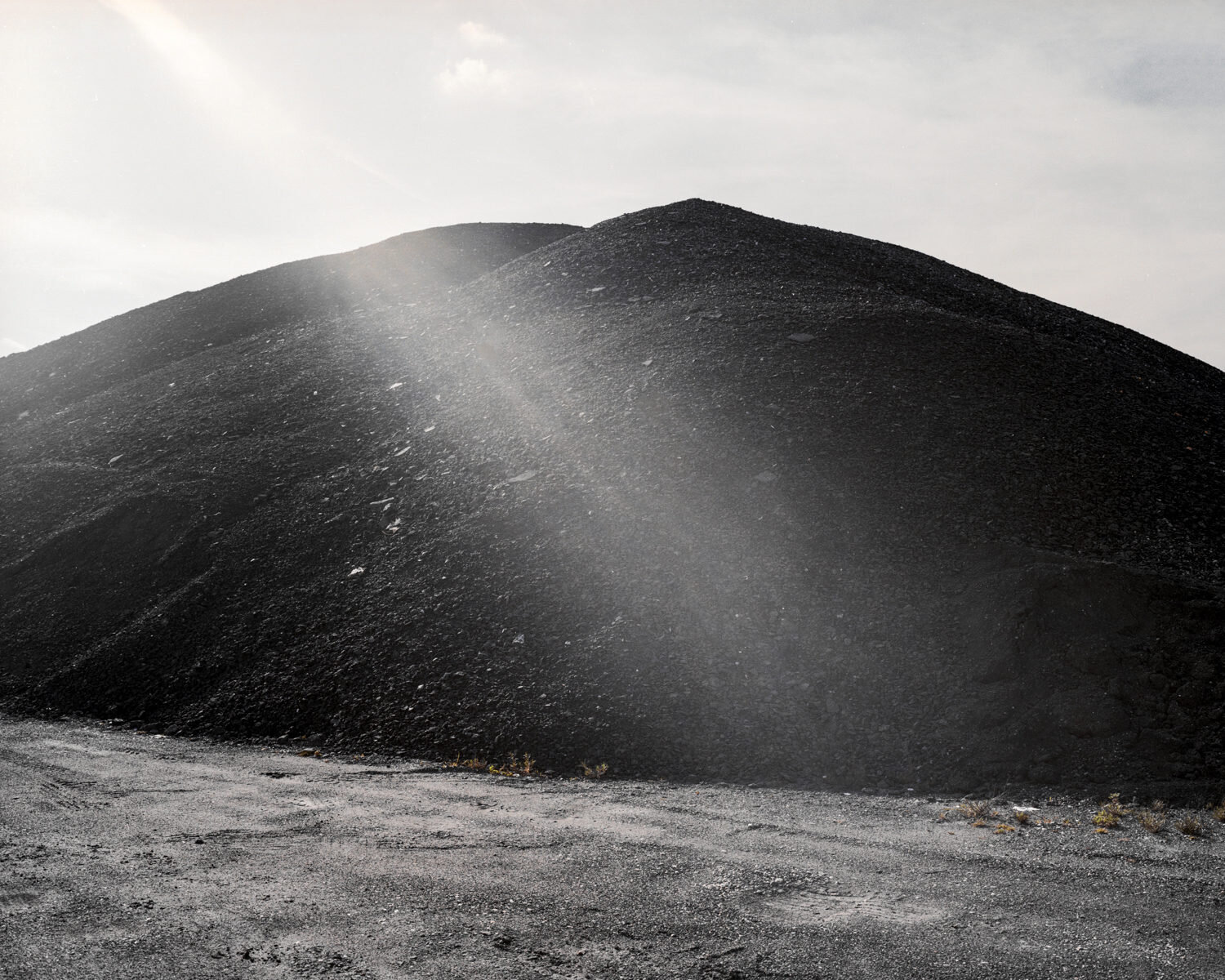
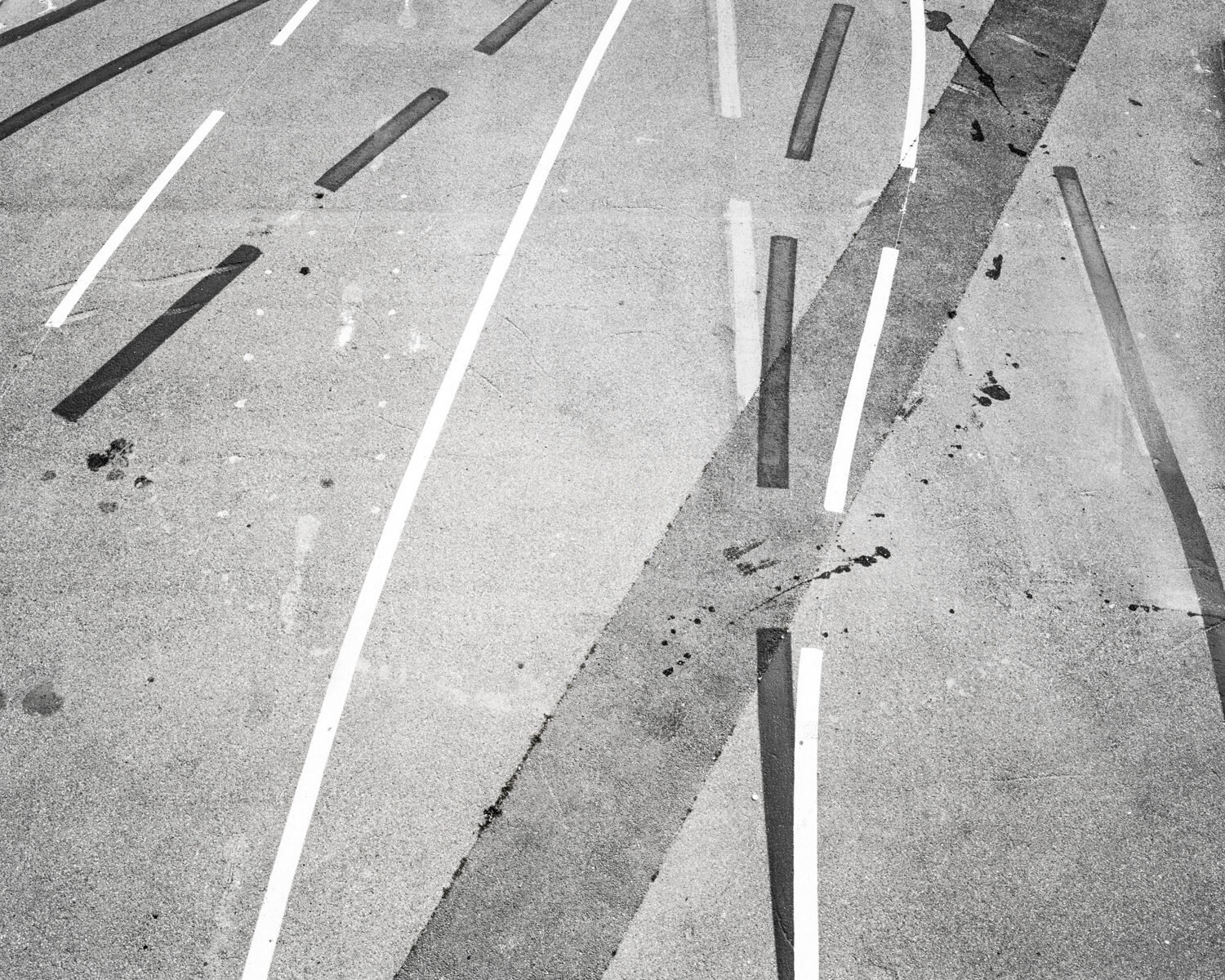
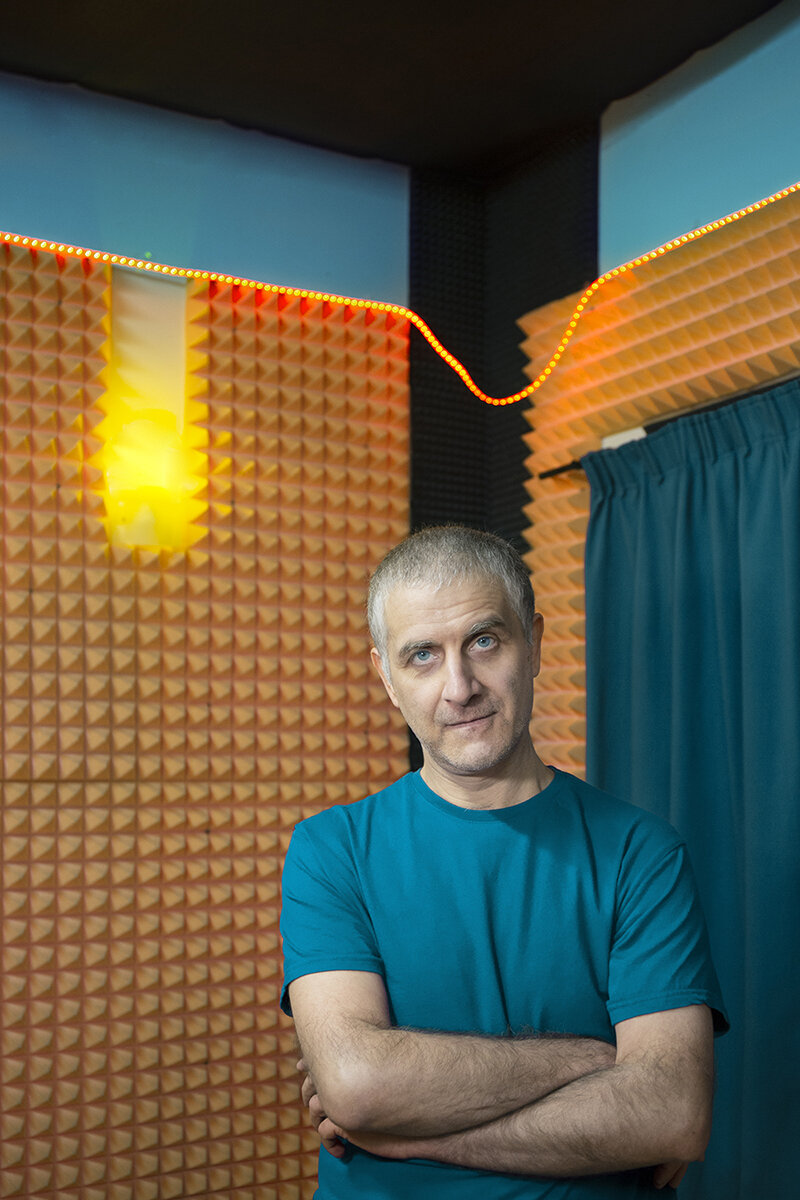
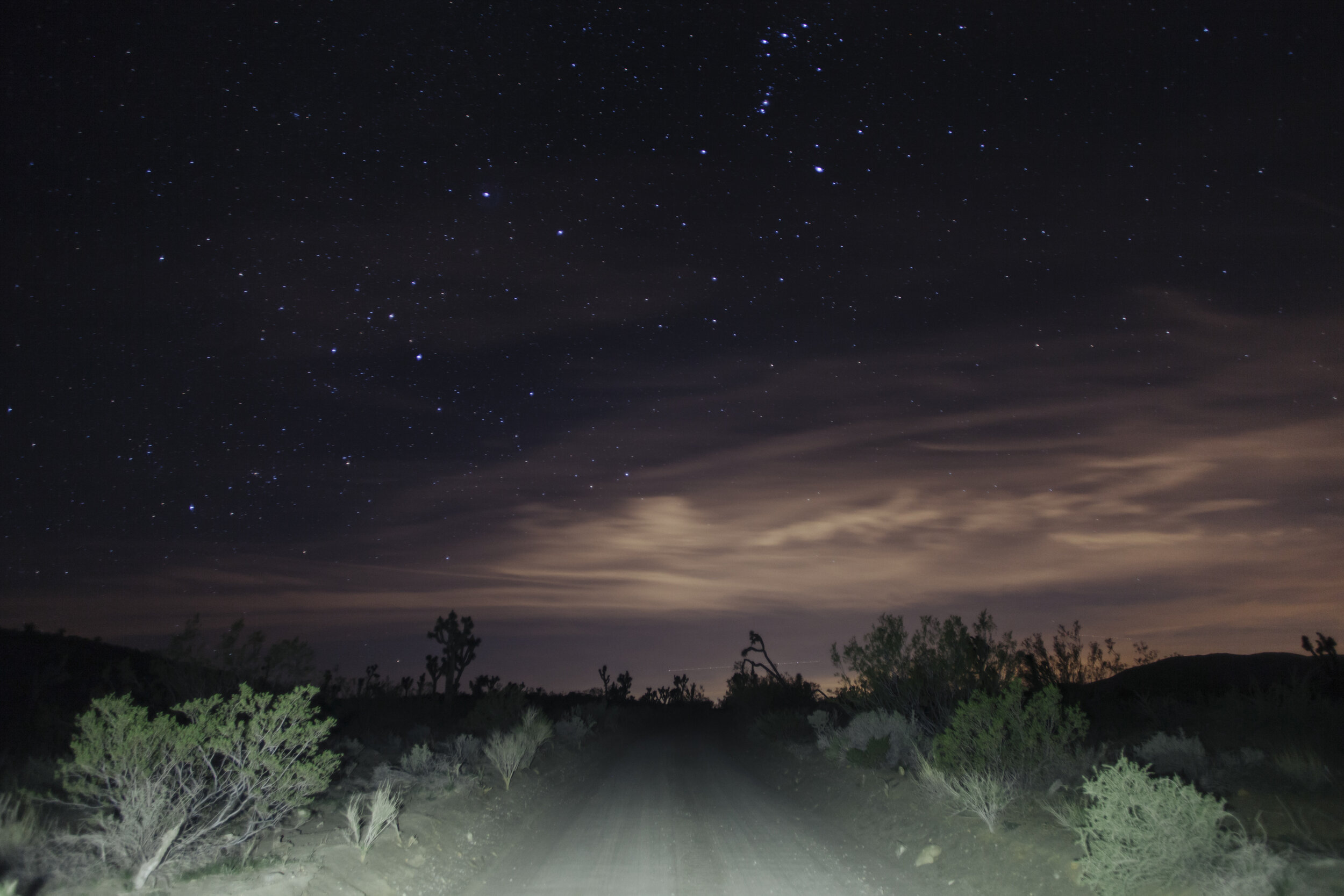
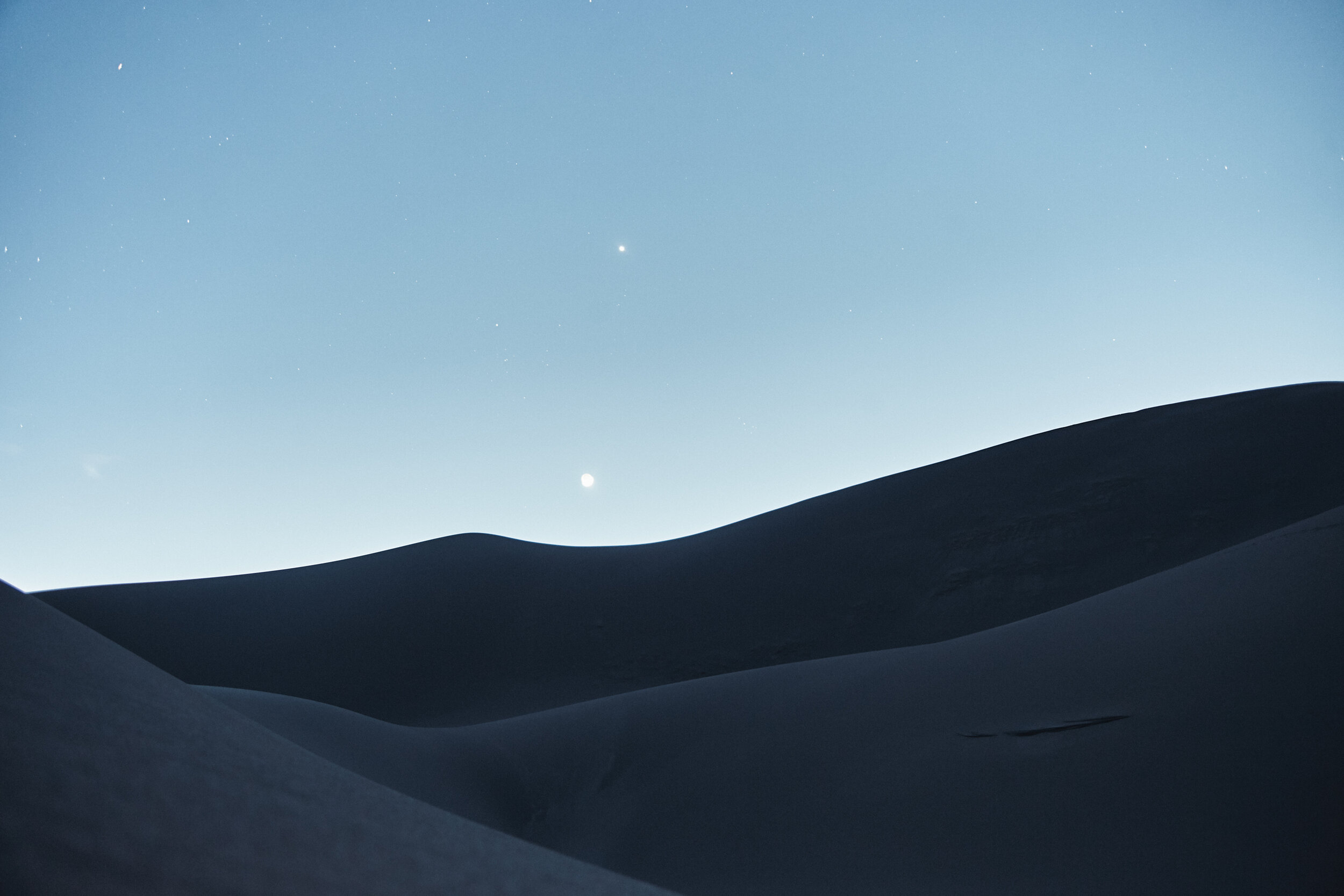
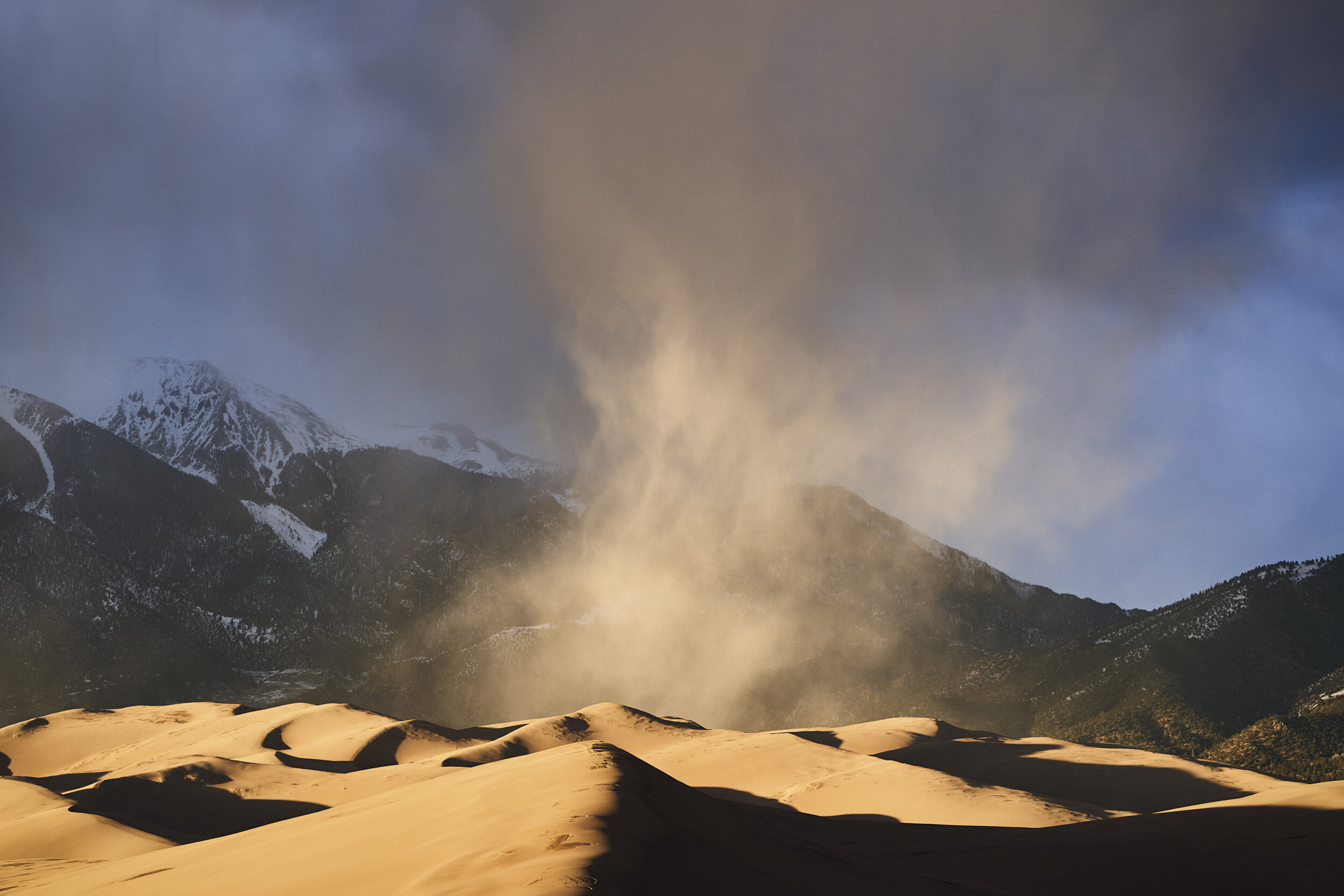
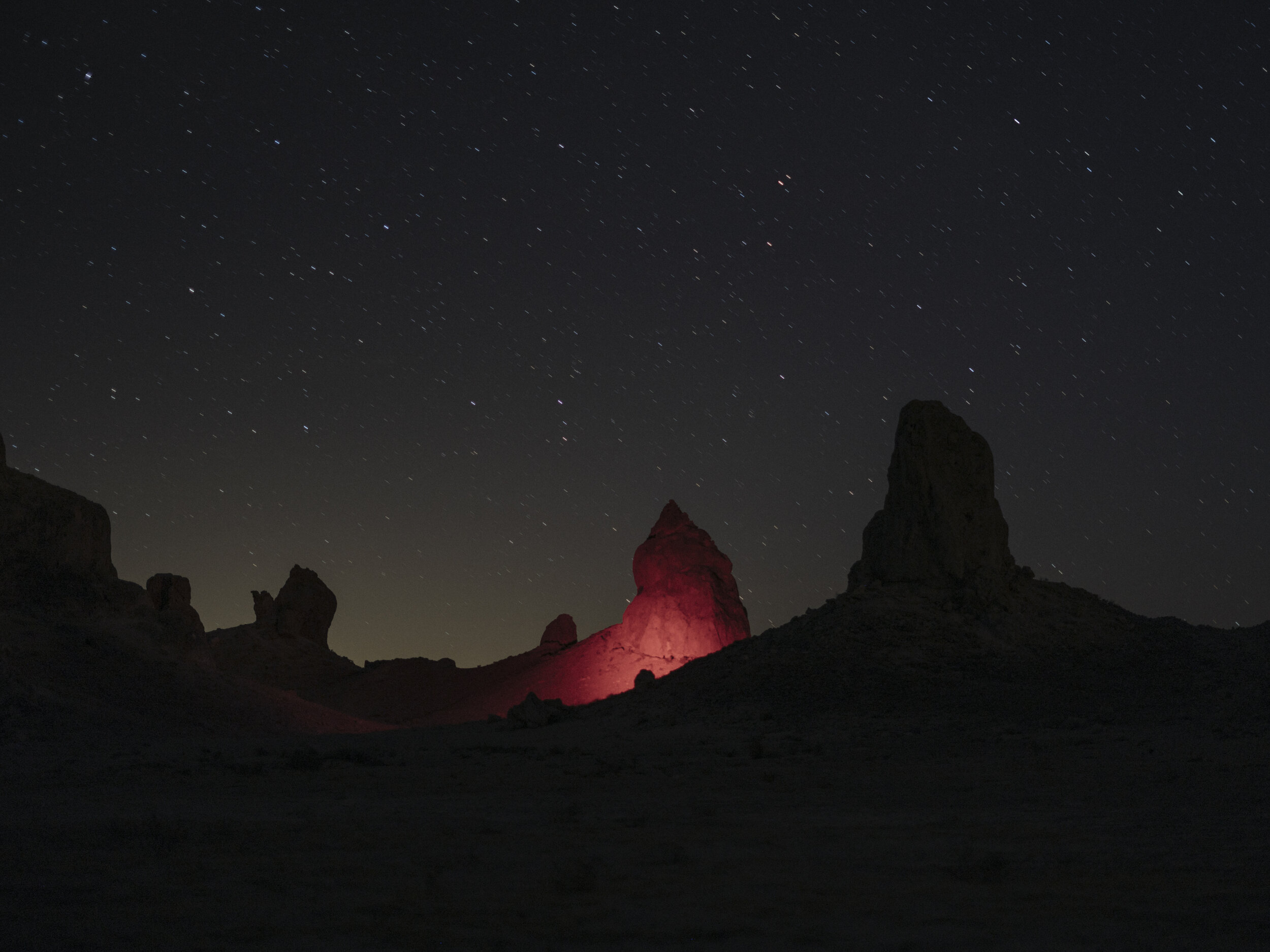
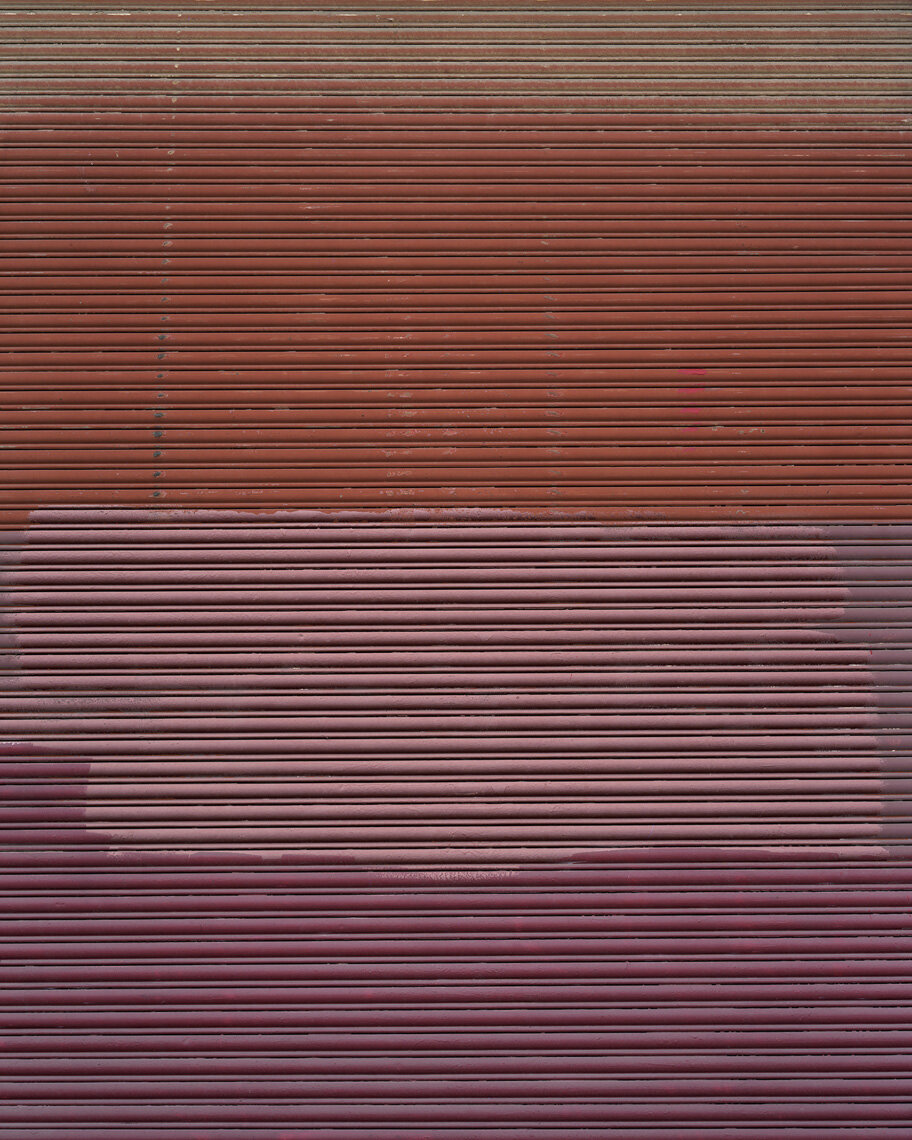
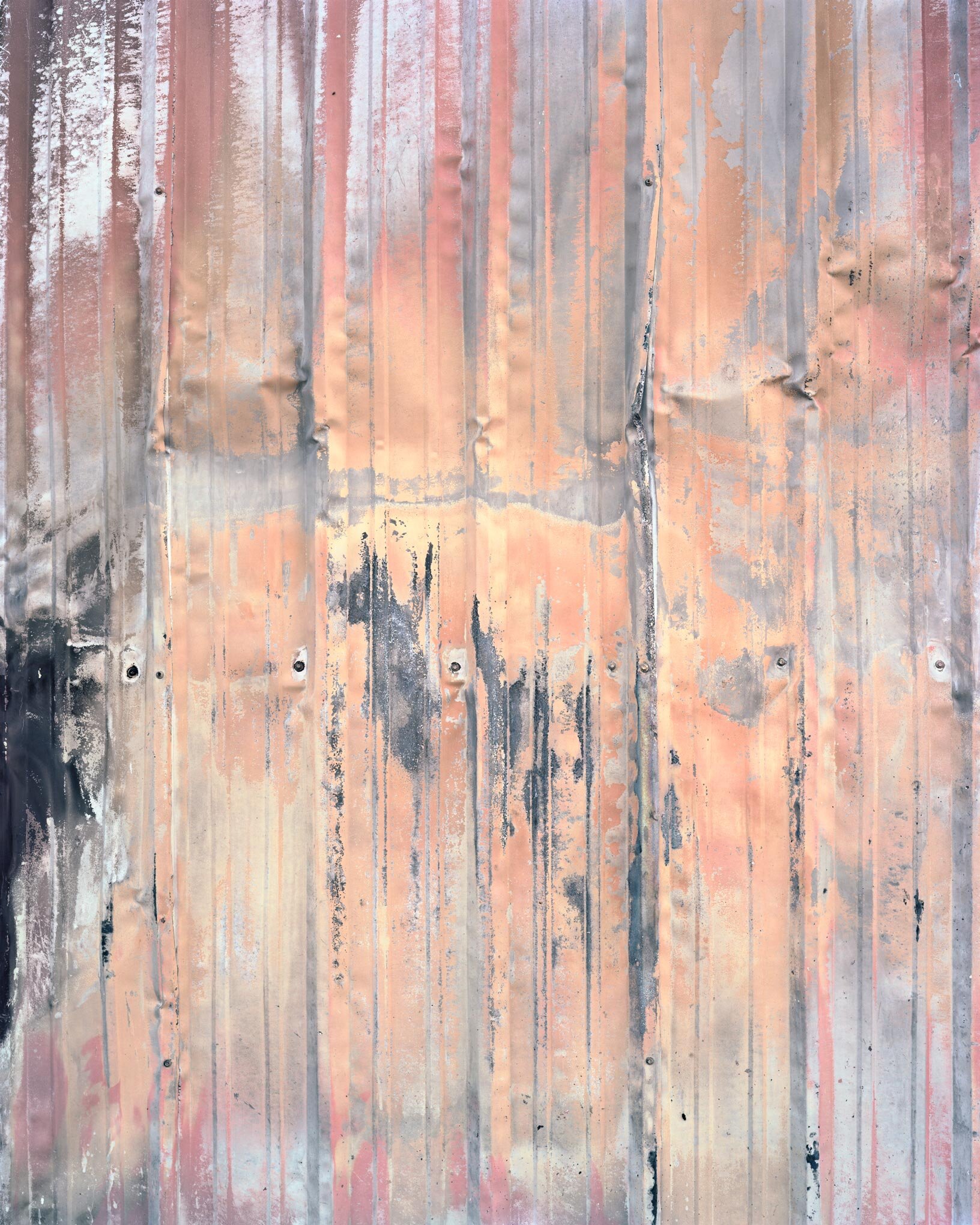
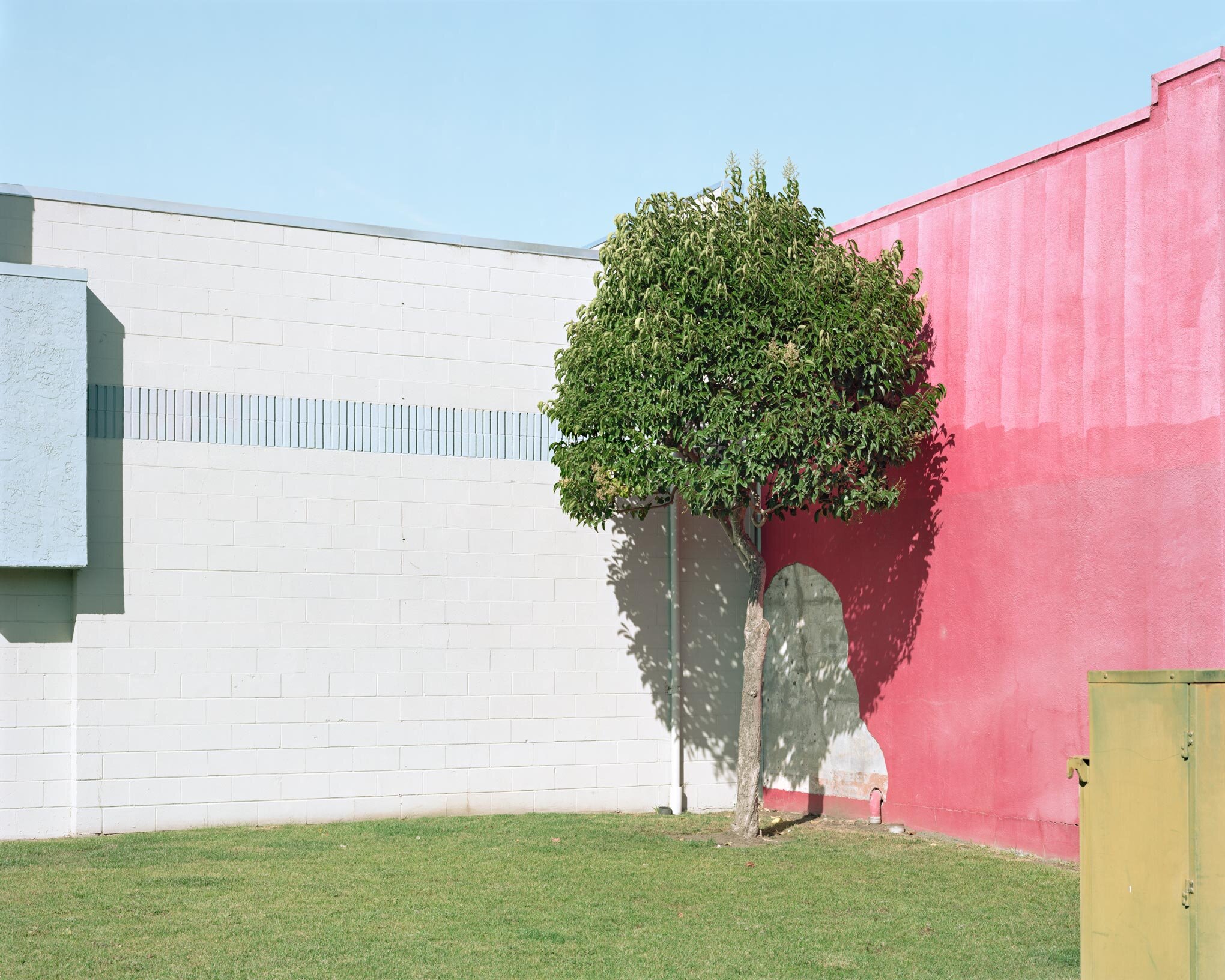
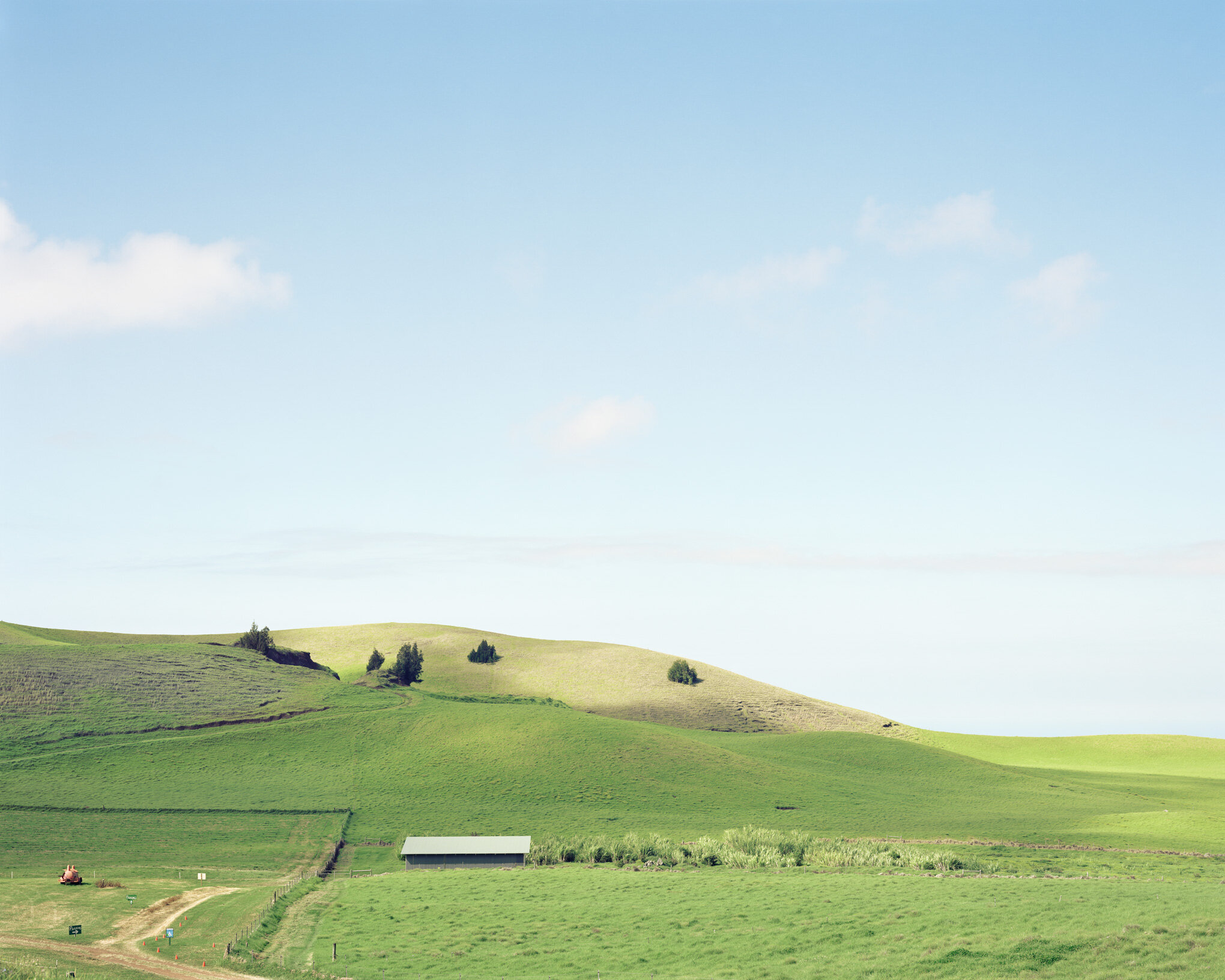
Axel Serrat - Stills

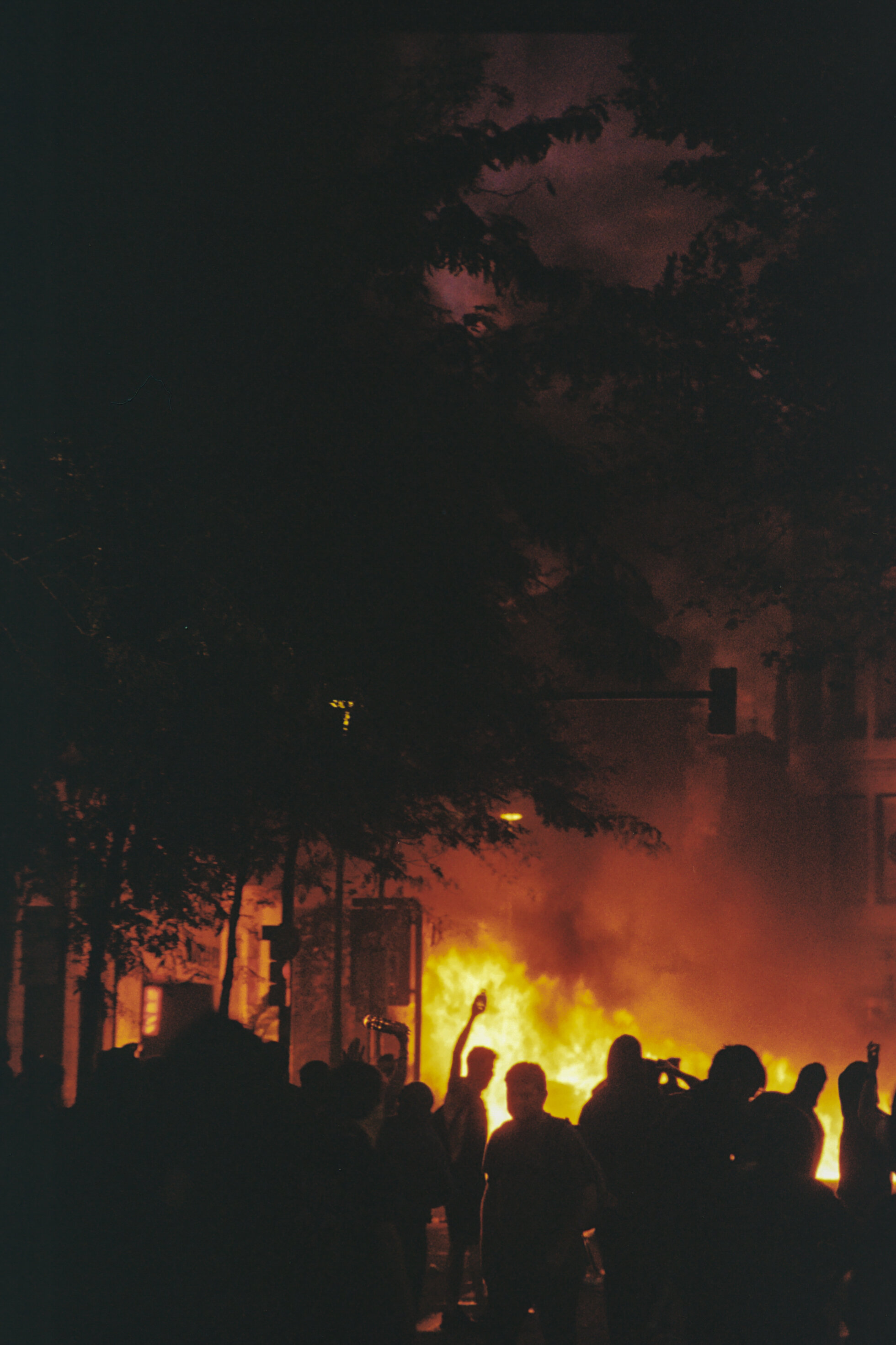
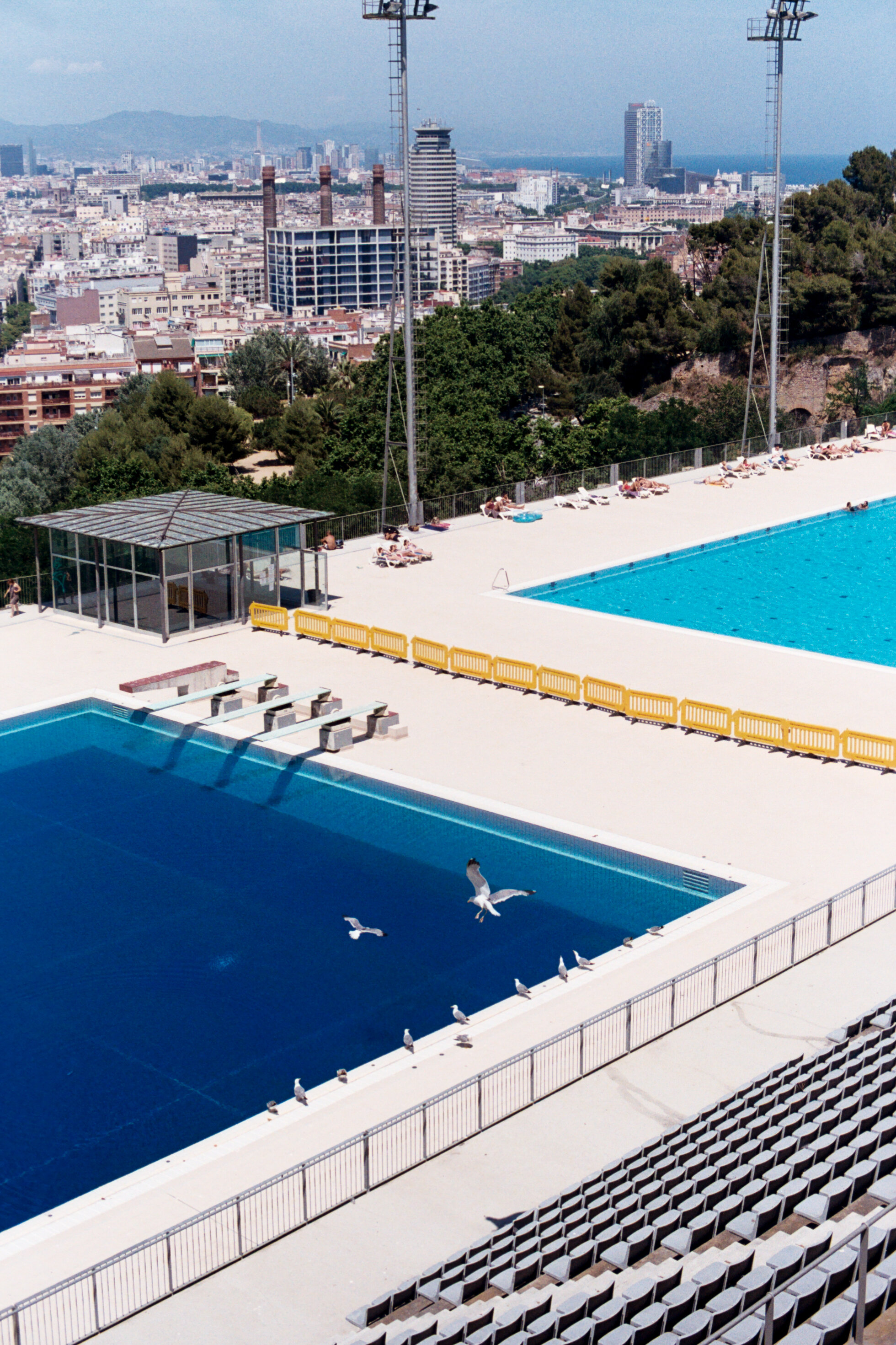
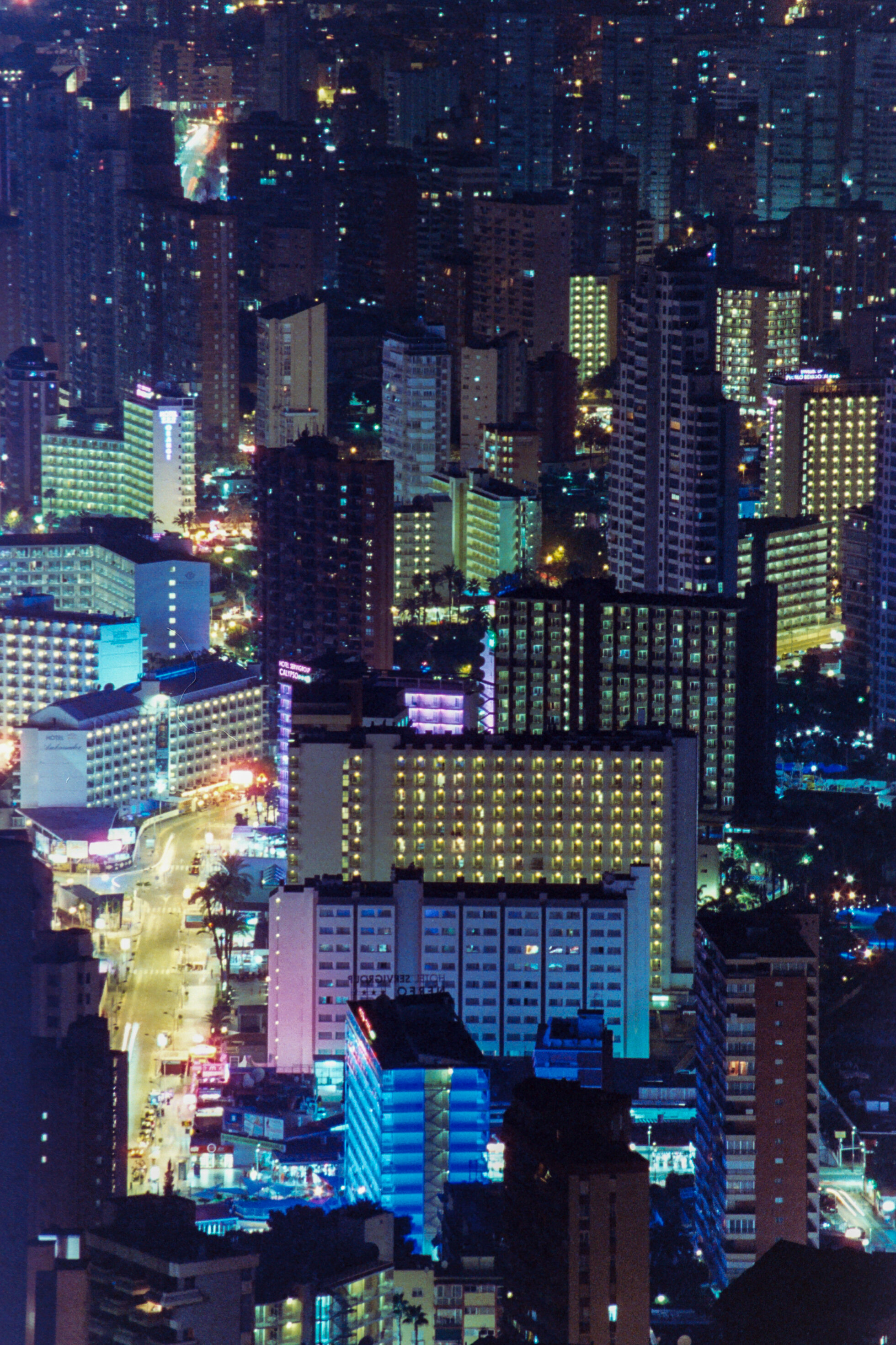
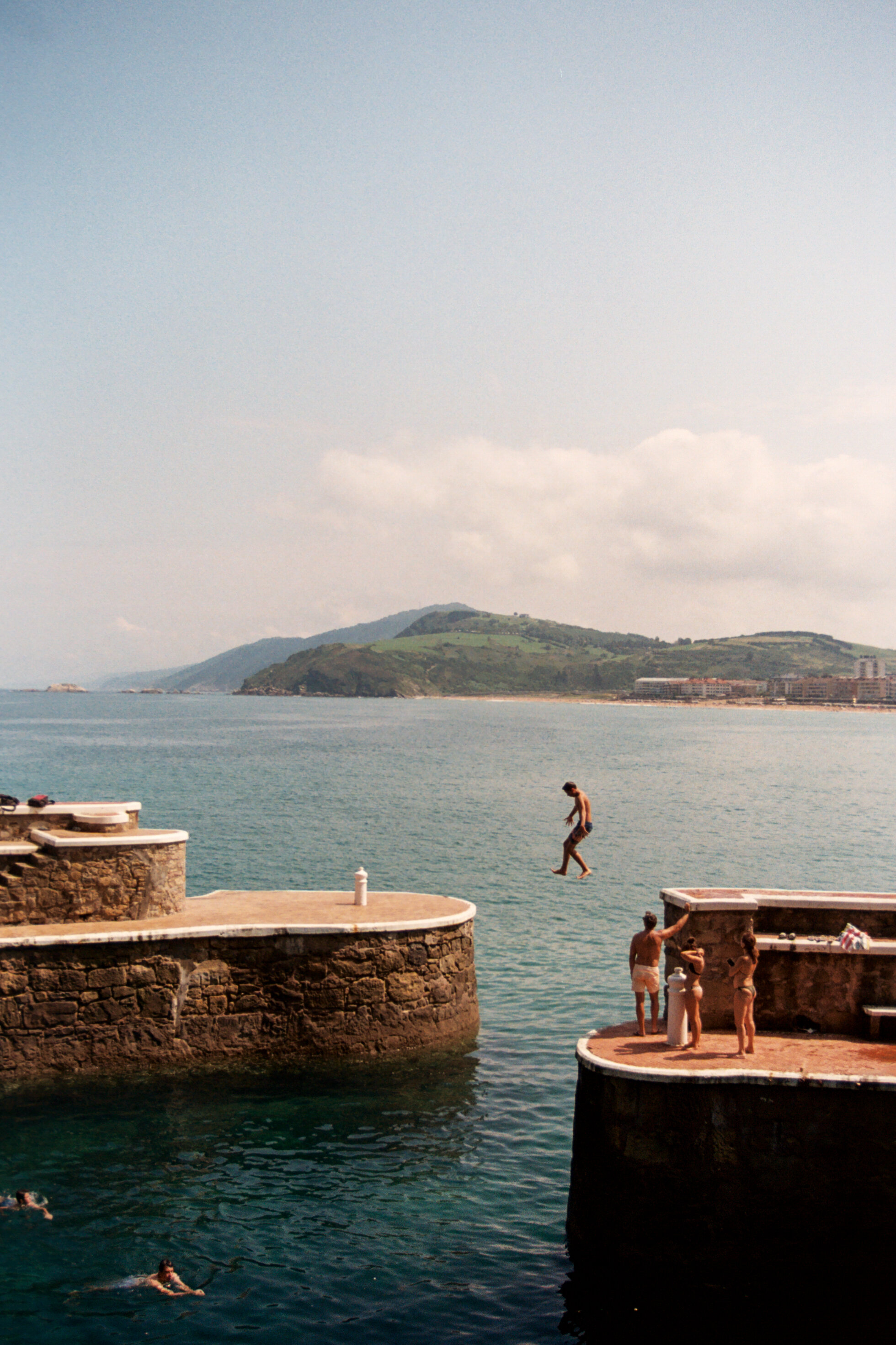
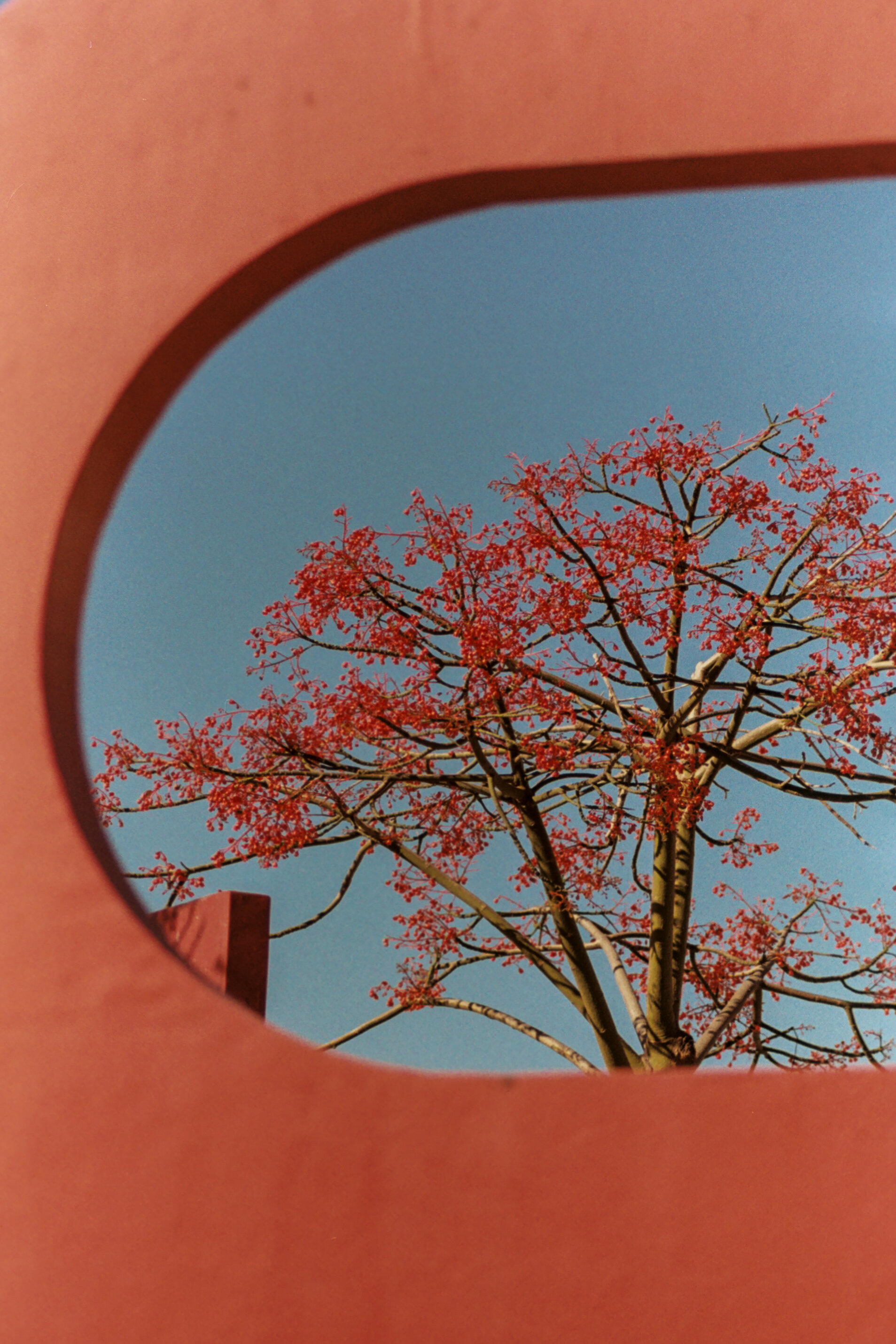
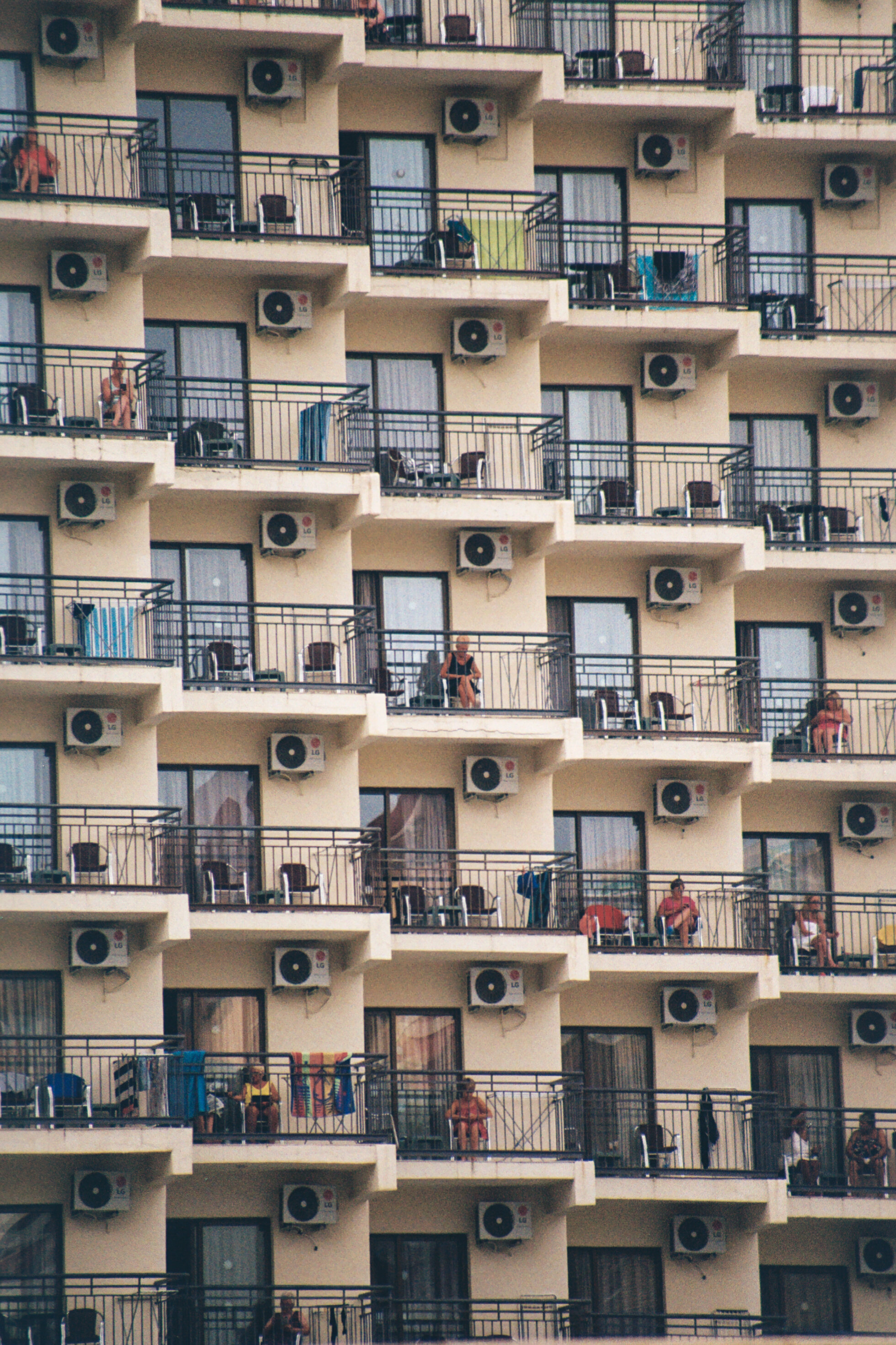
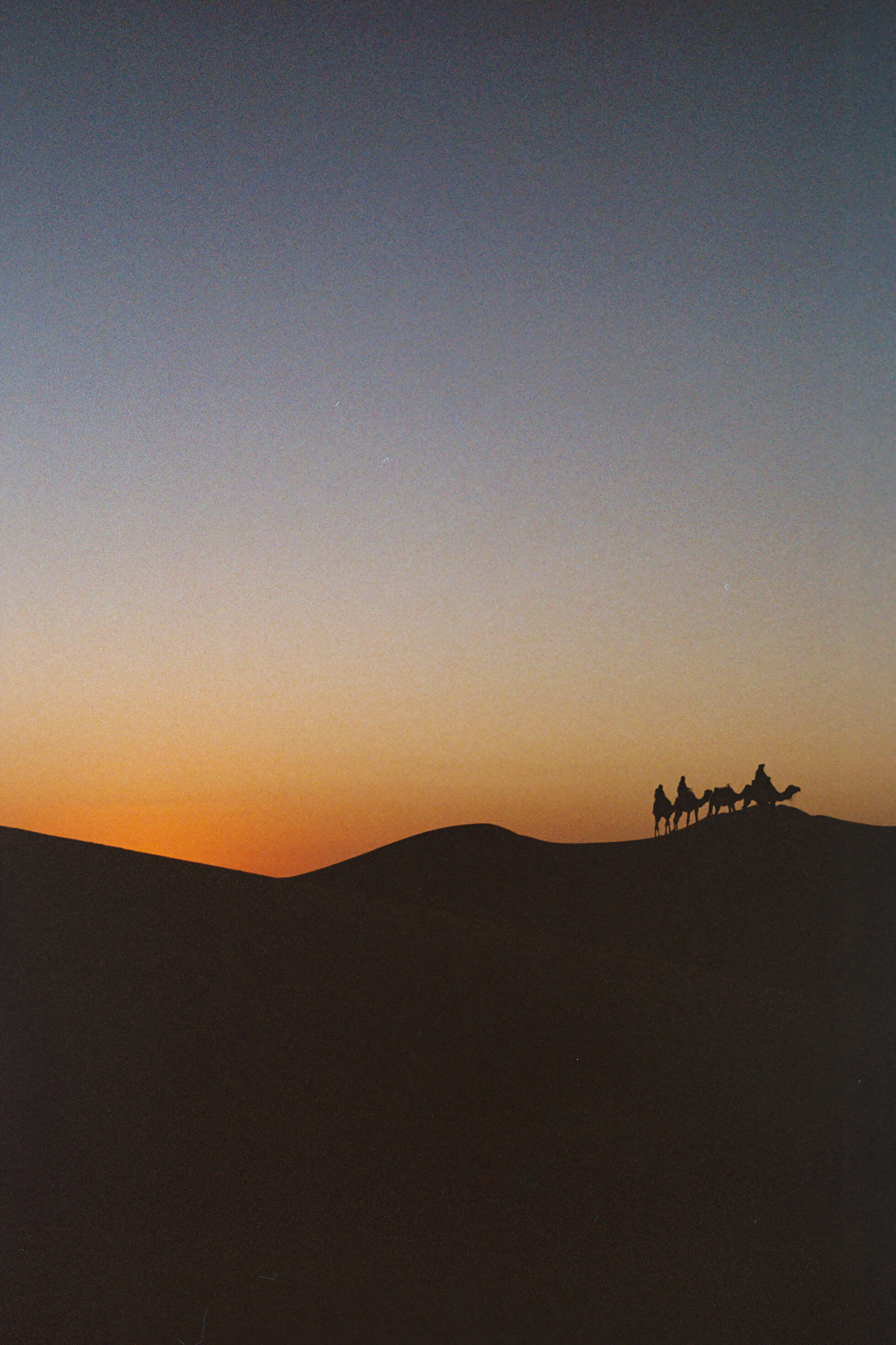
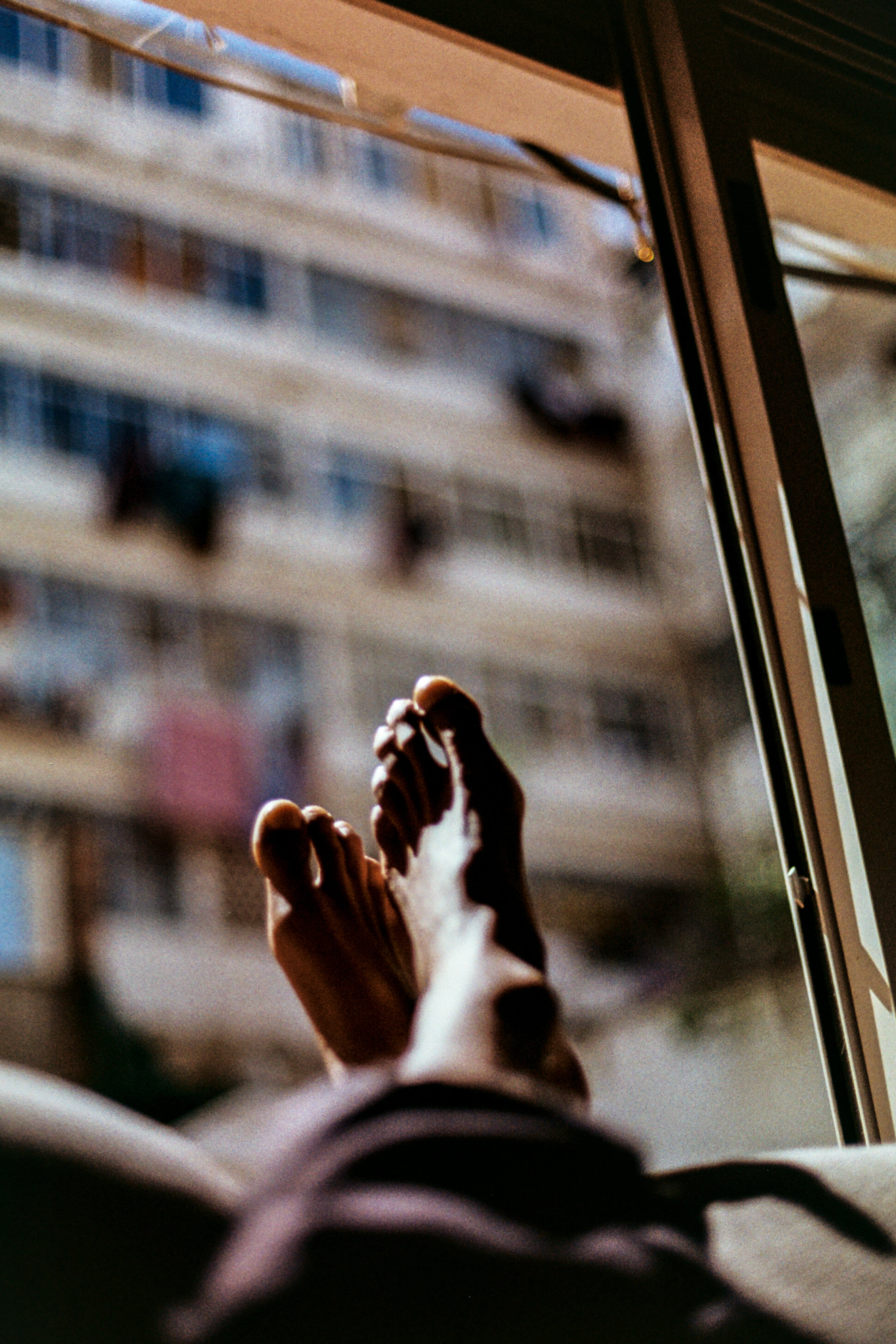
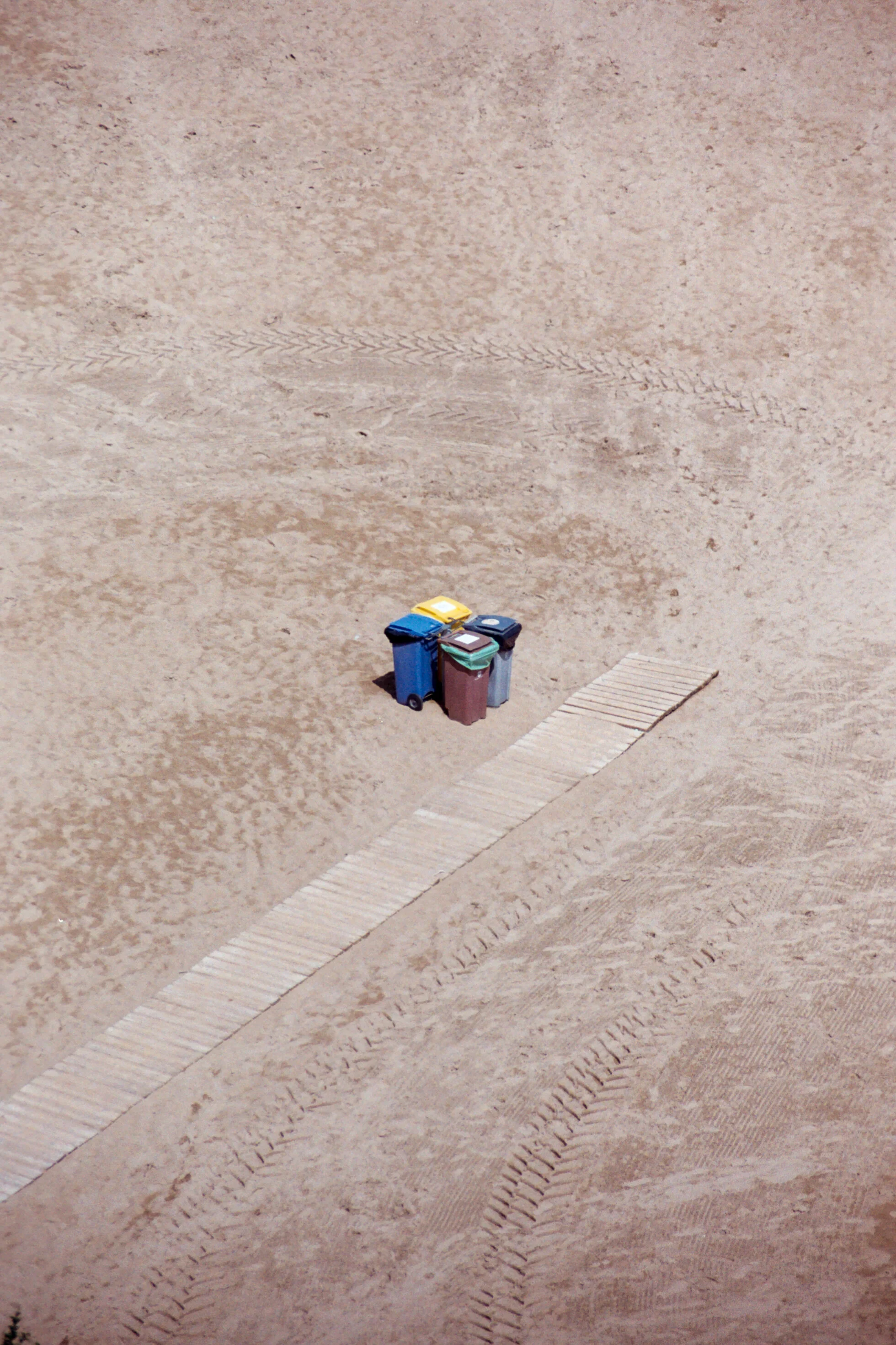
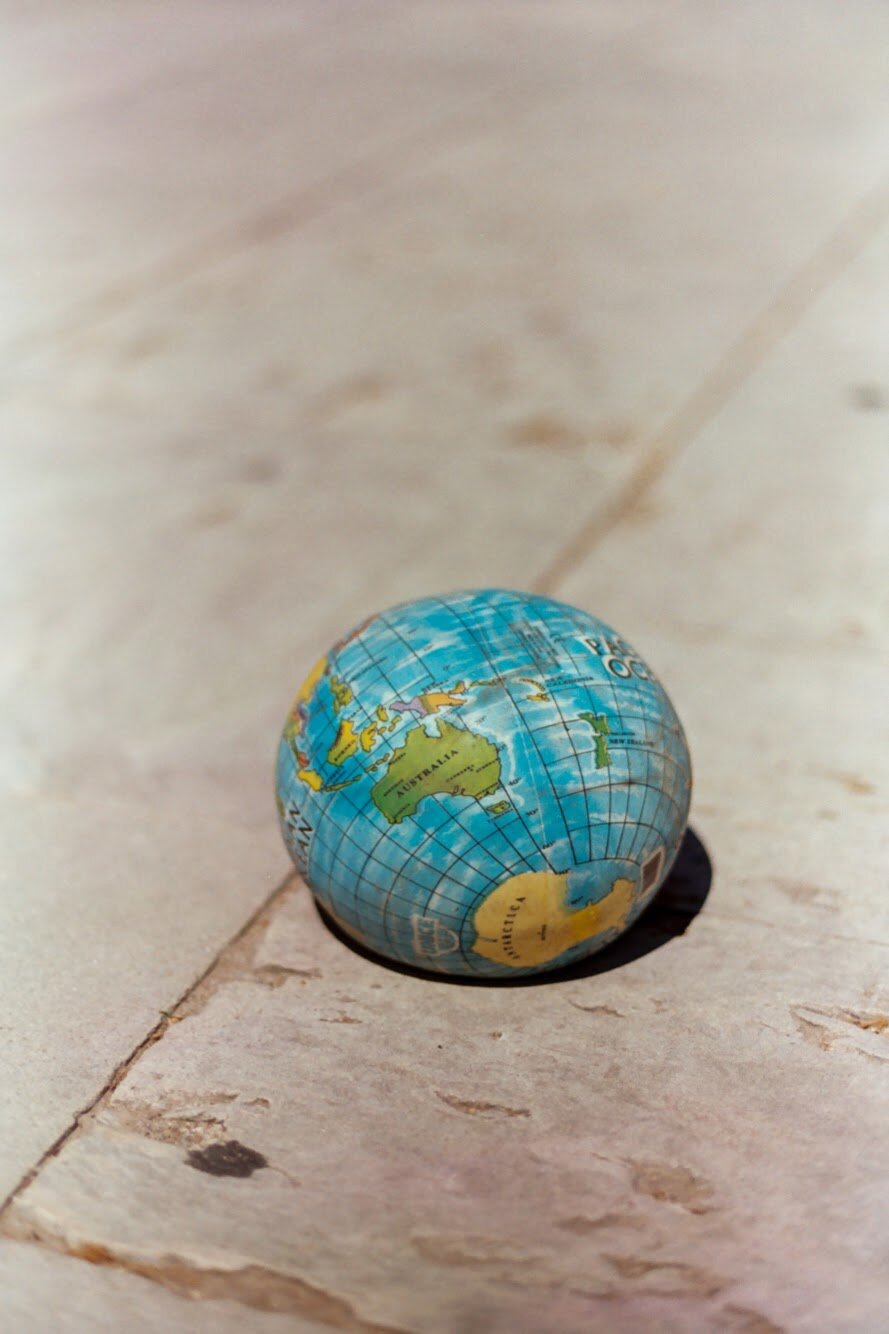
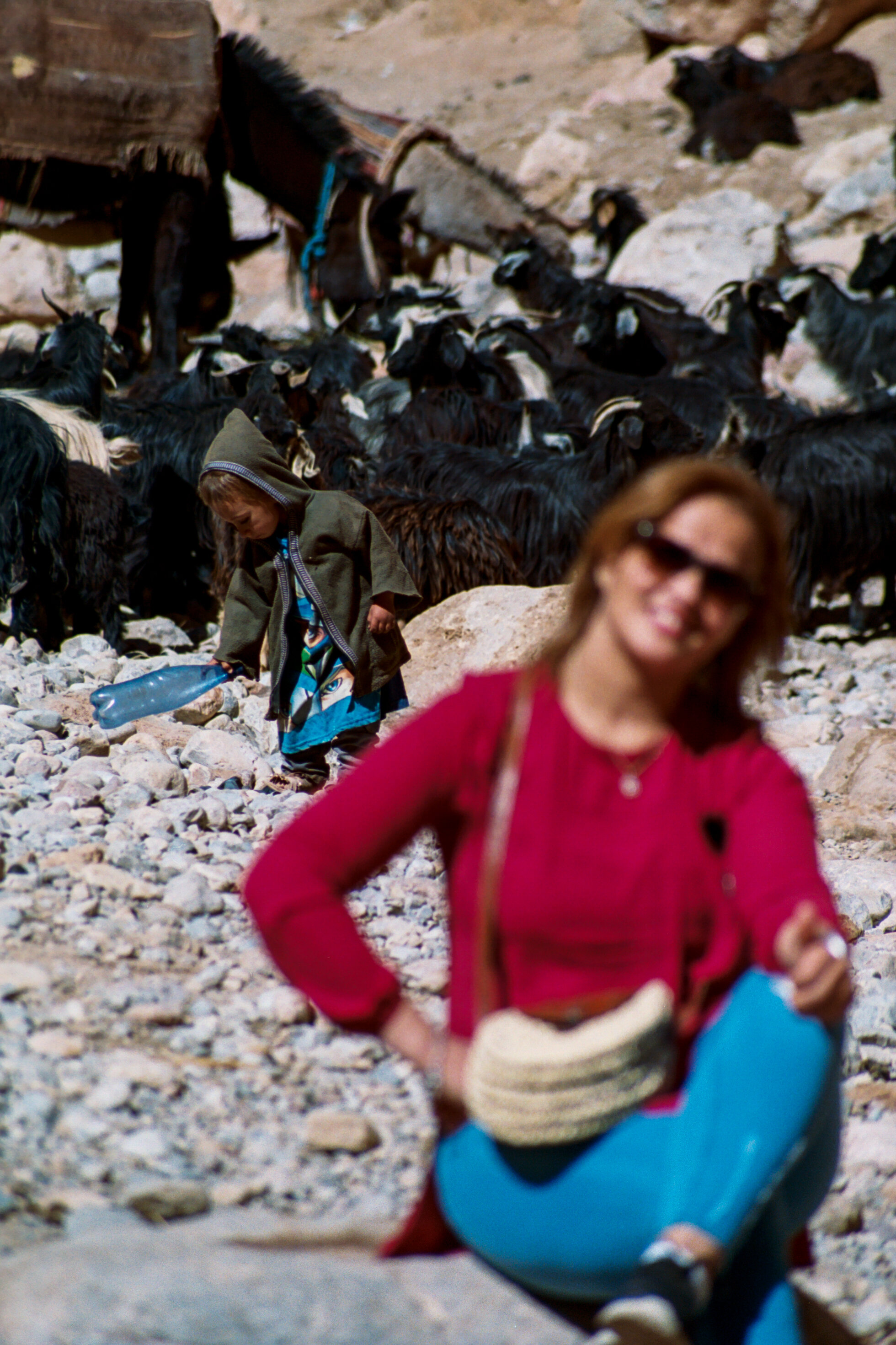
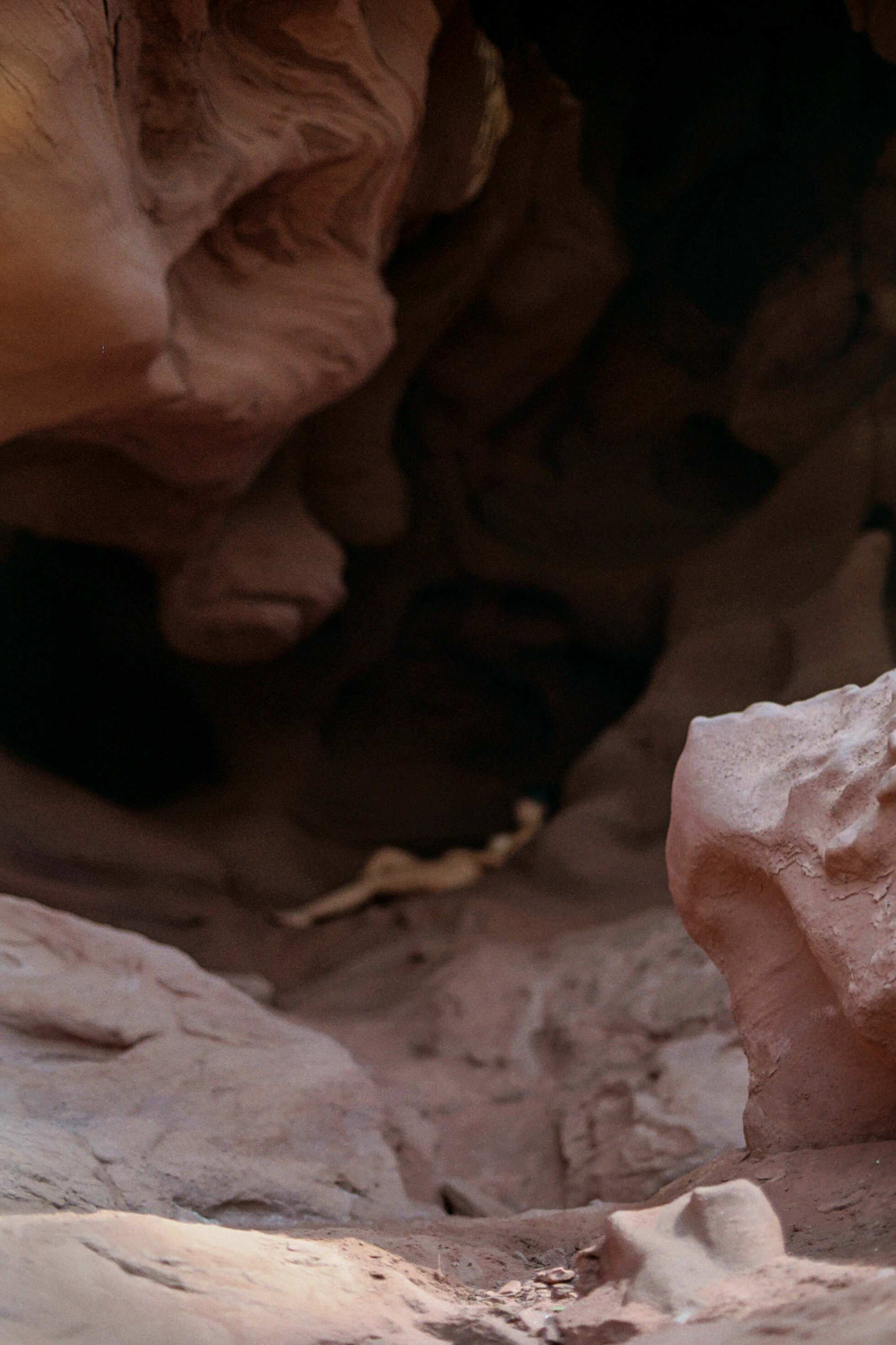
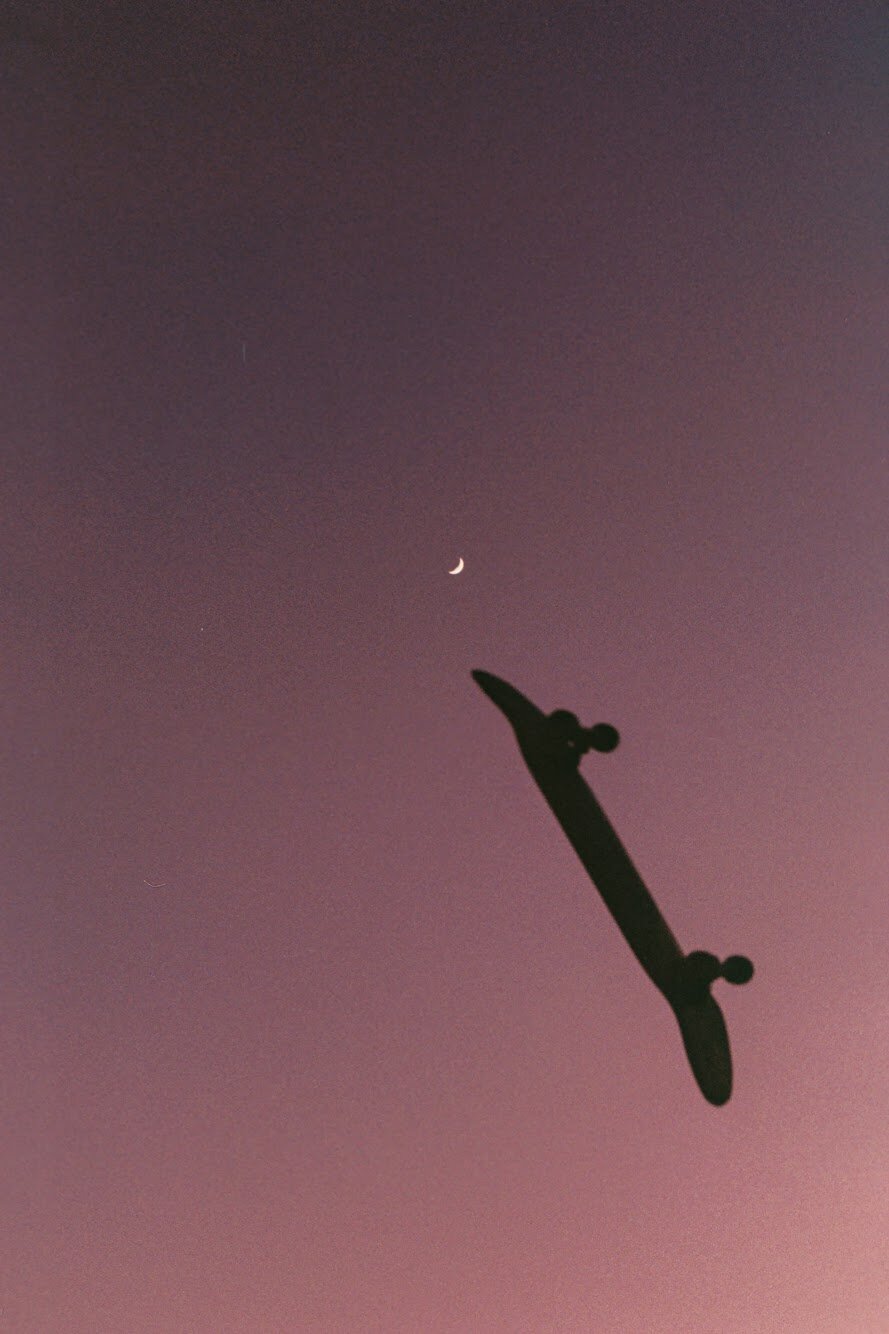
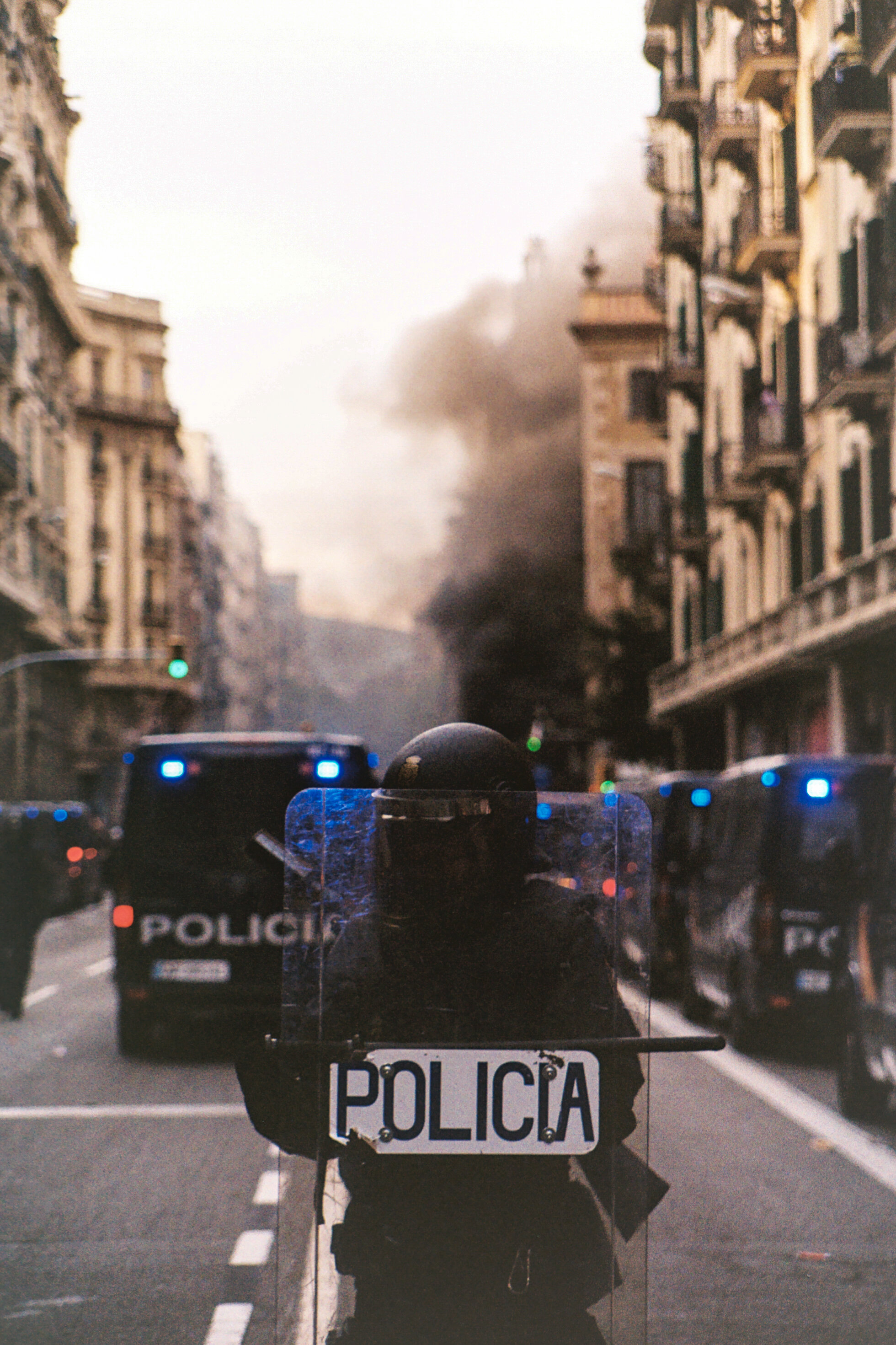
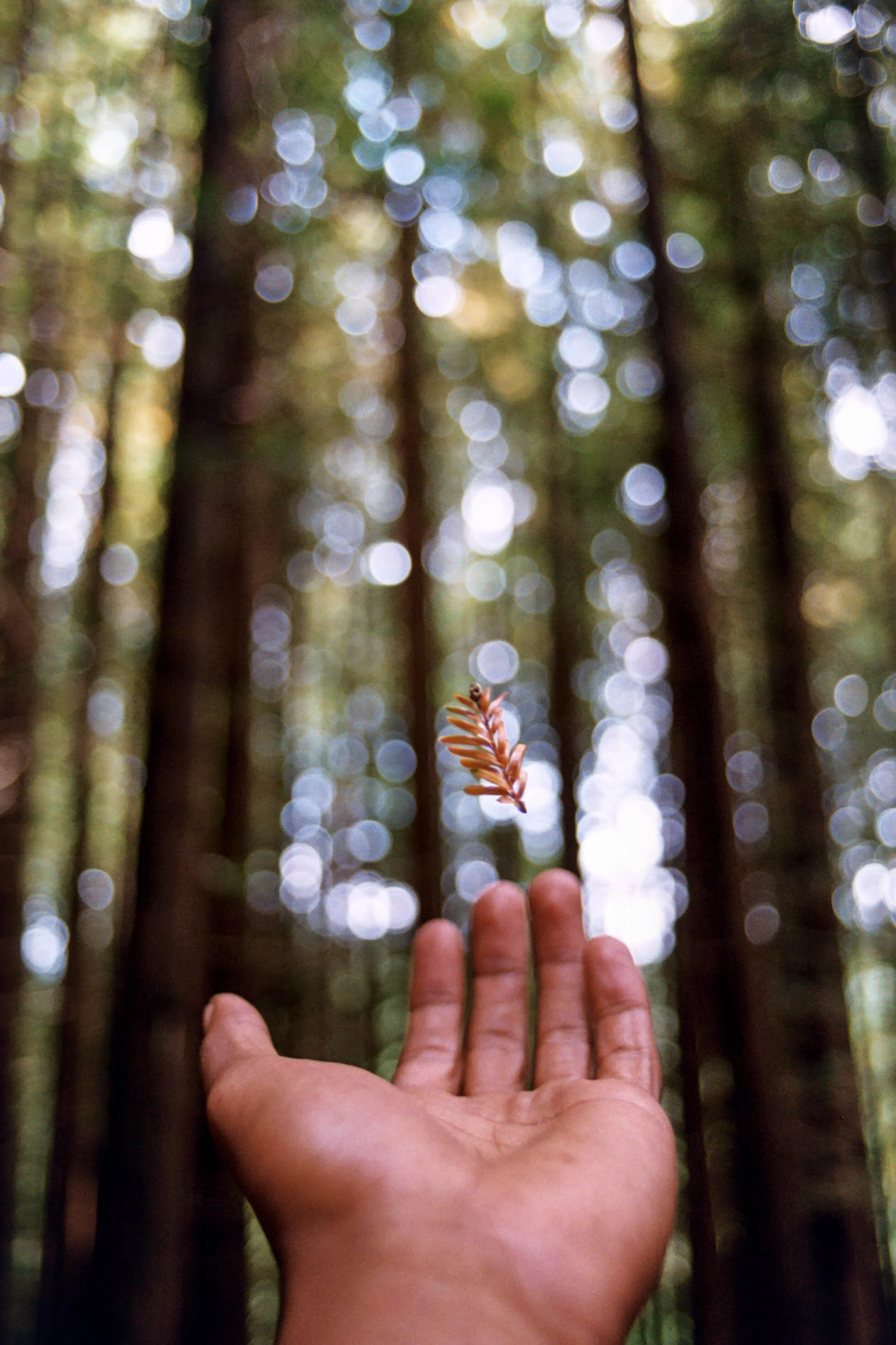
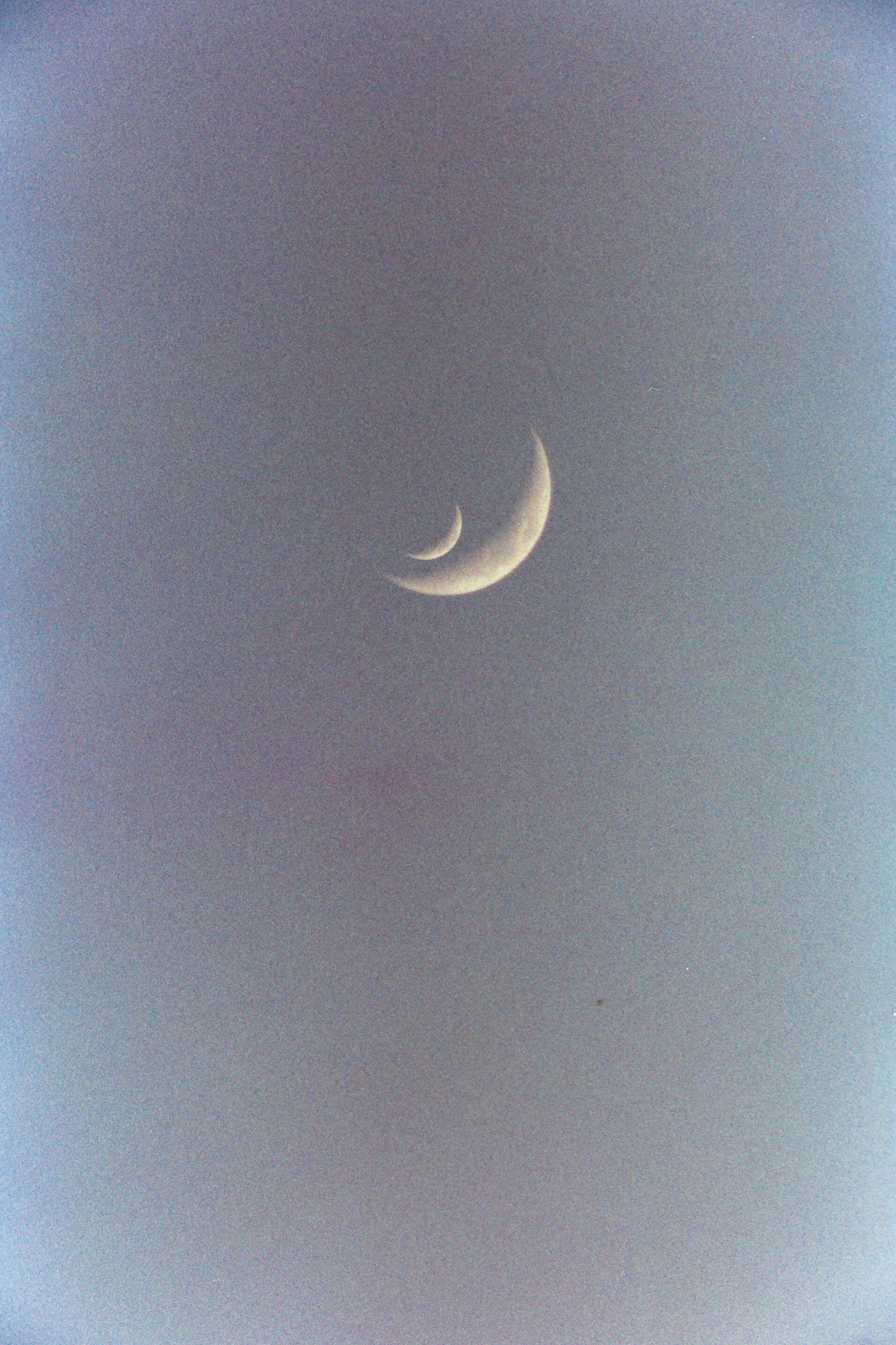
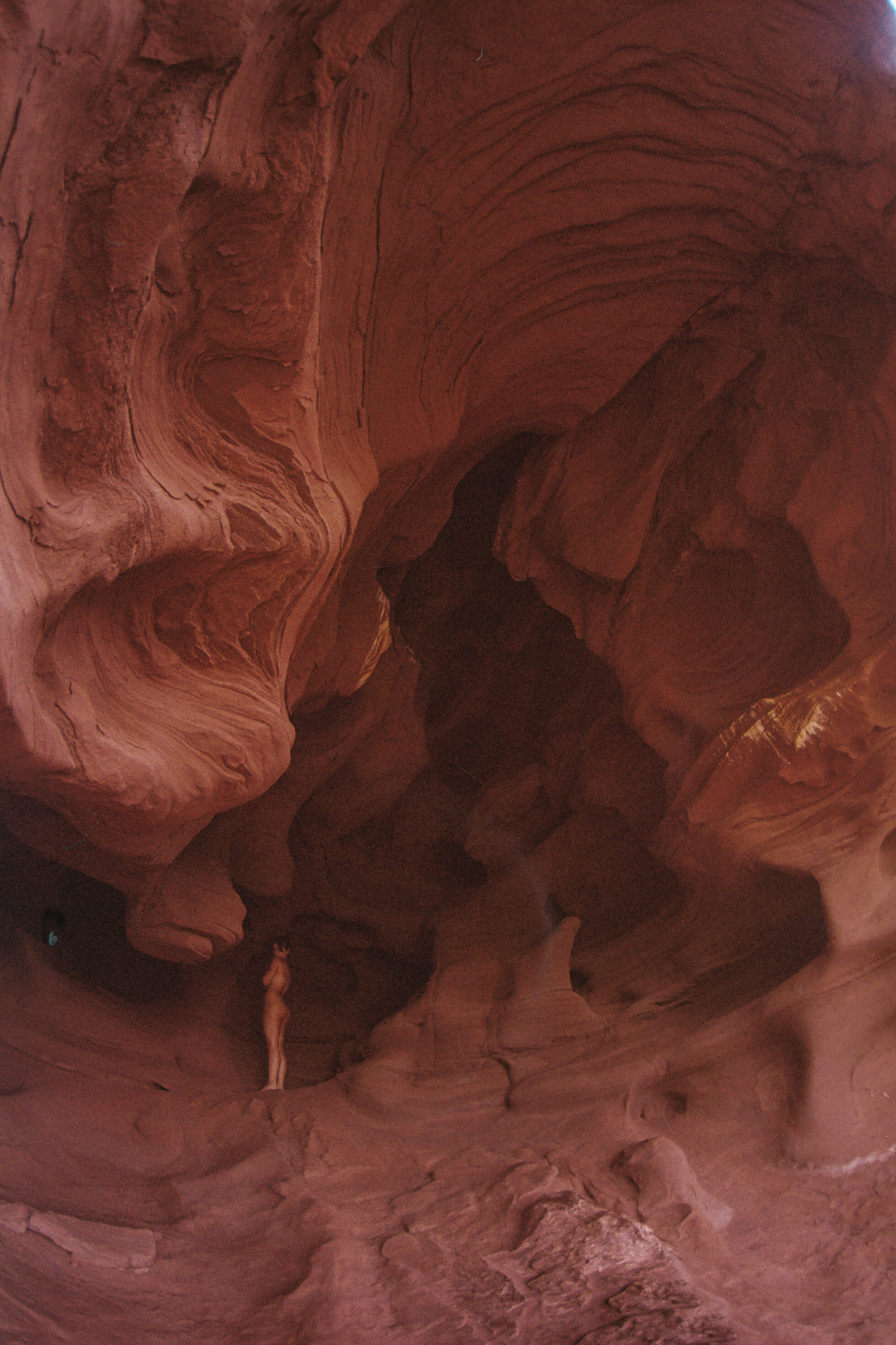
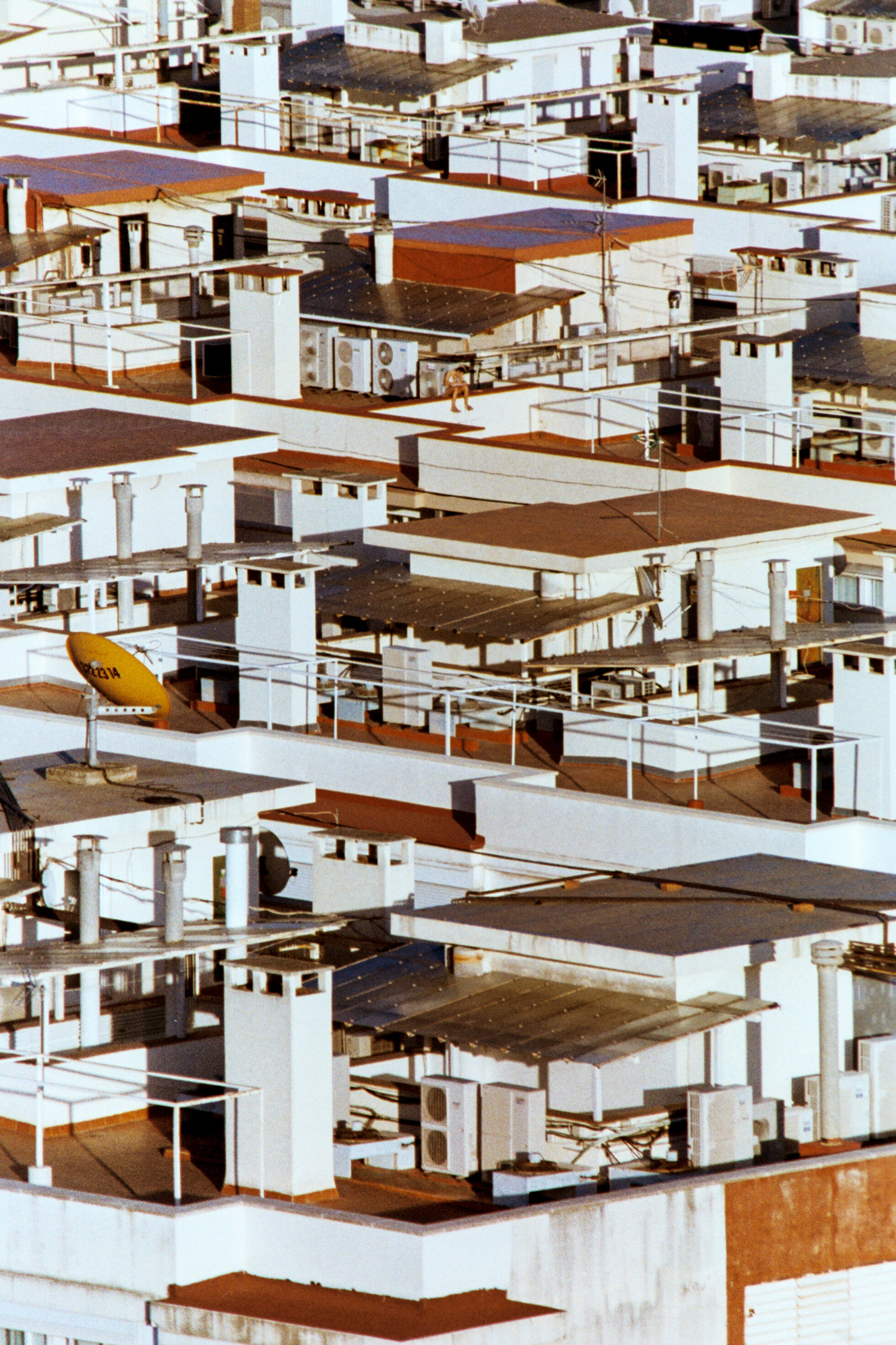
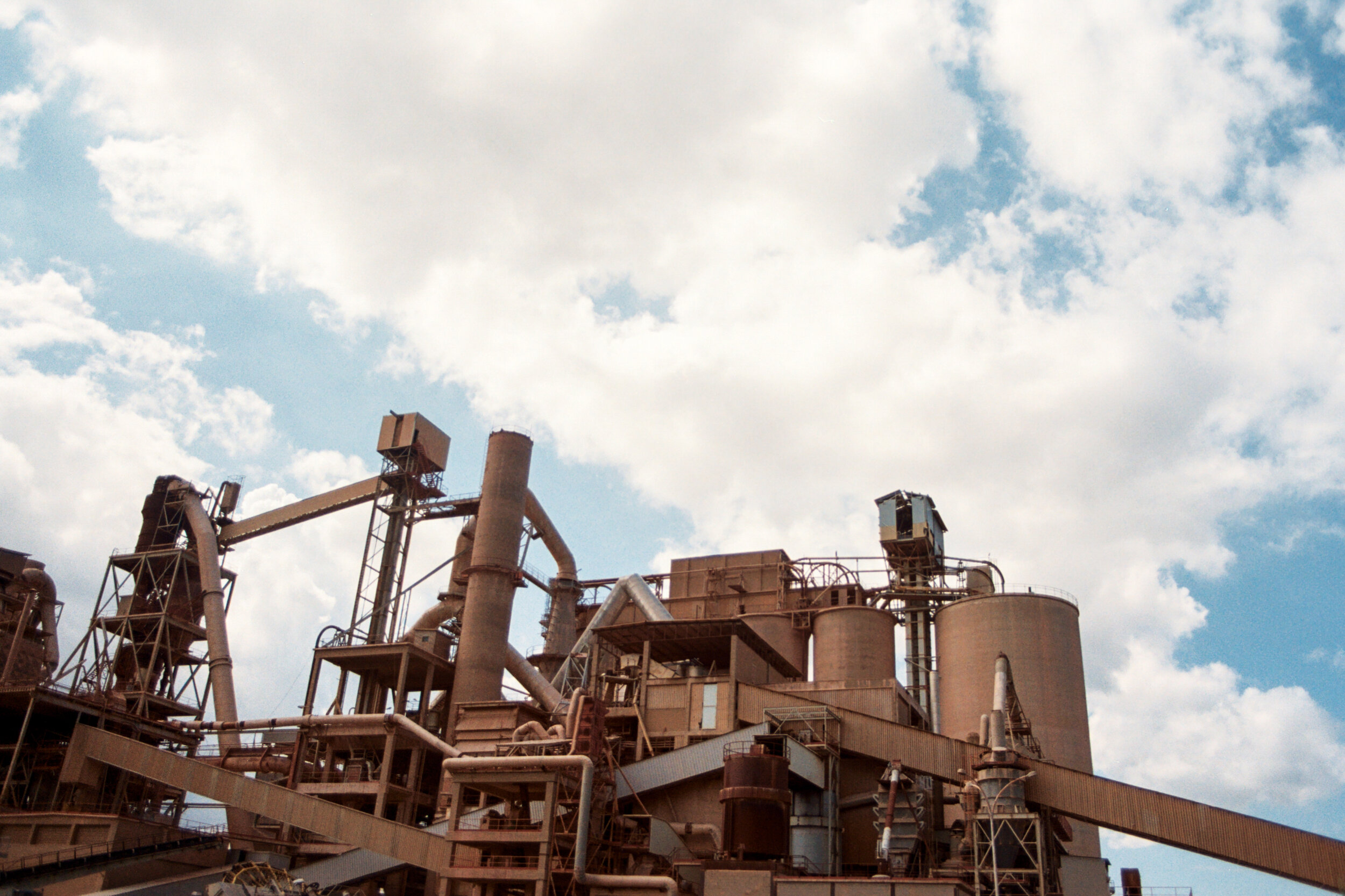
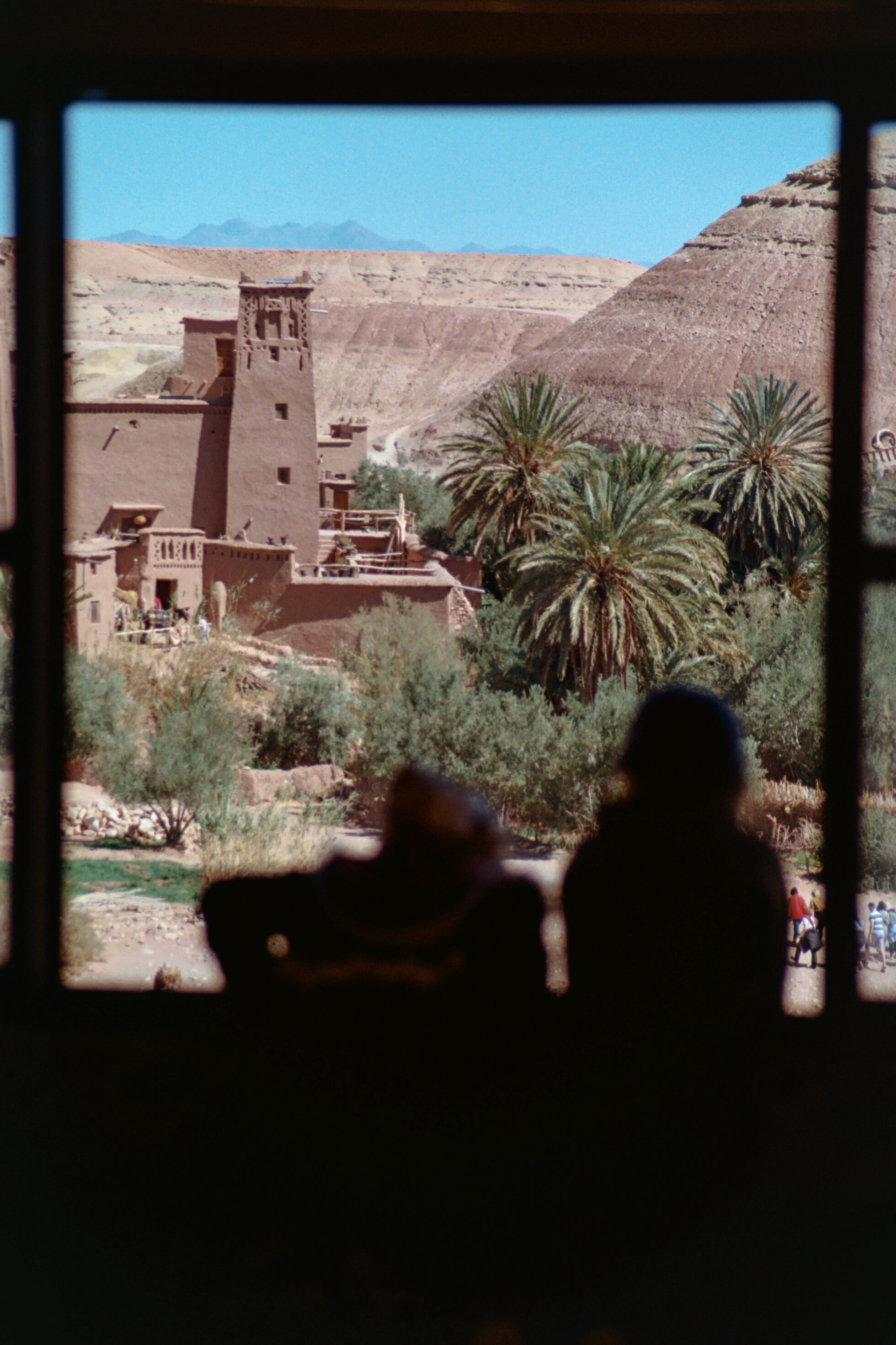
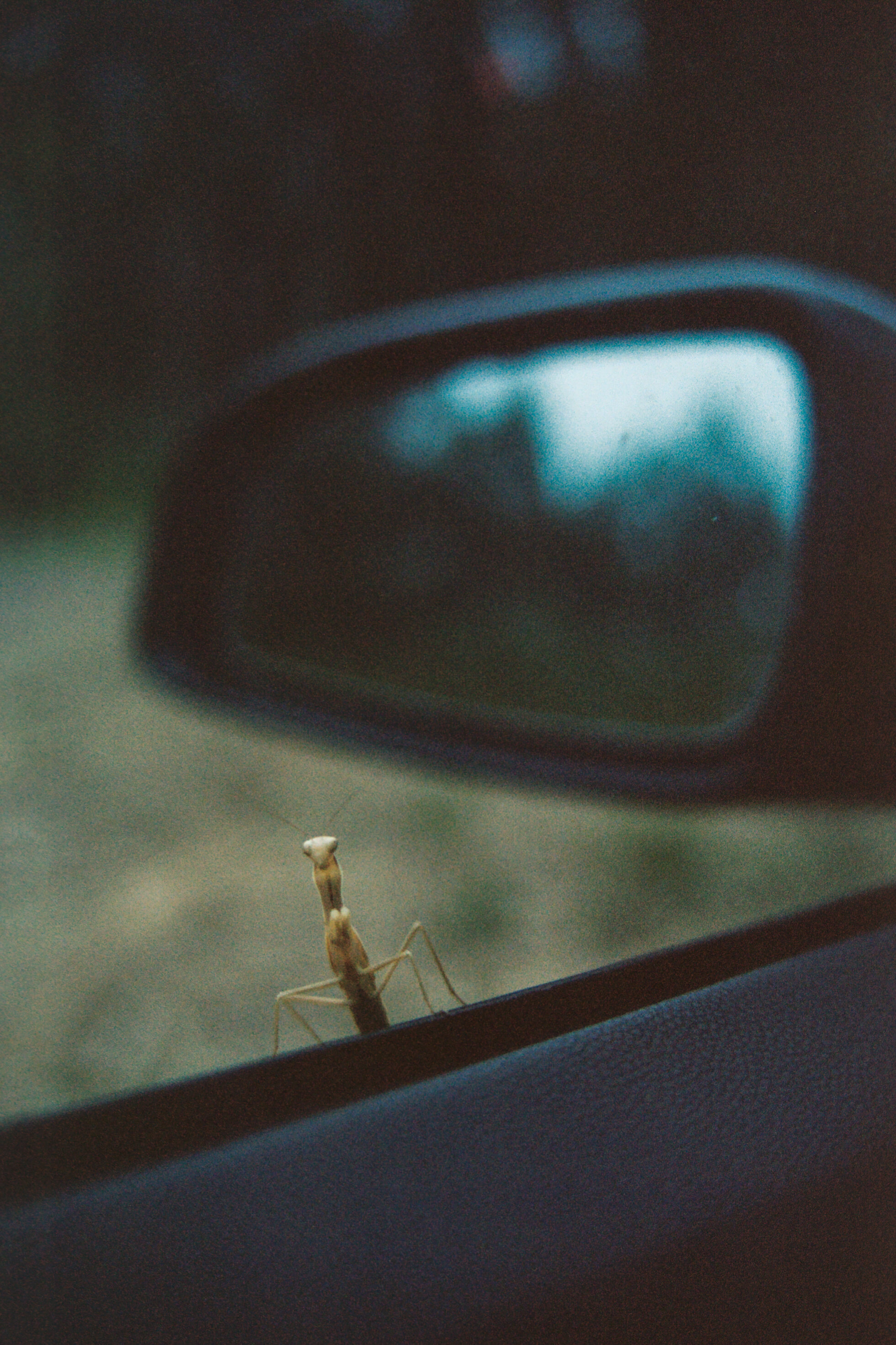
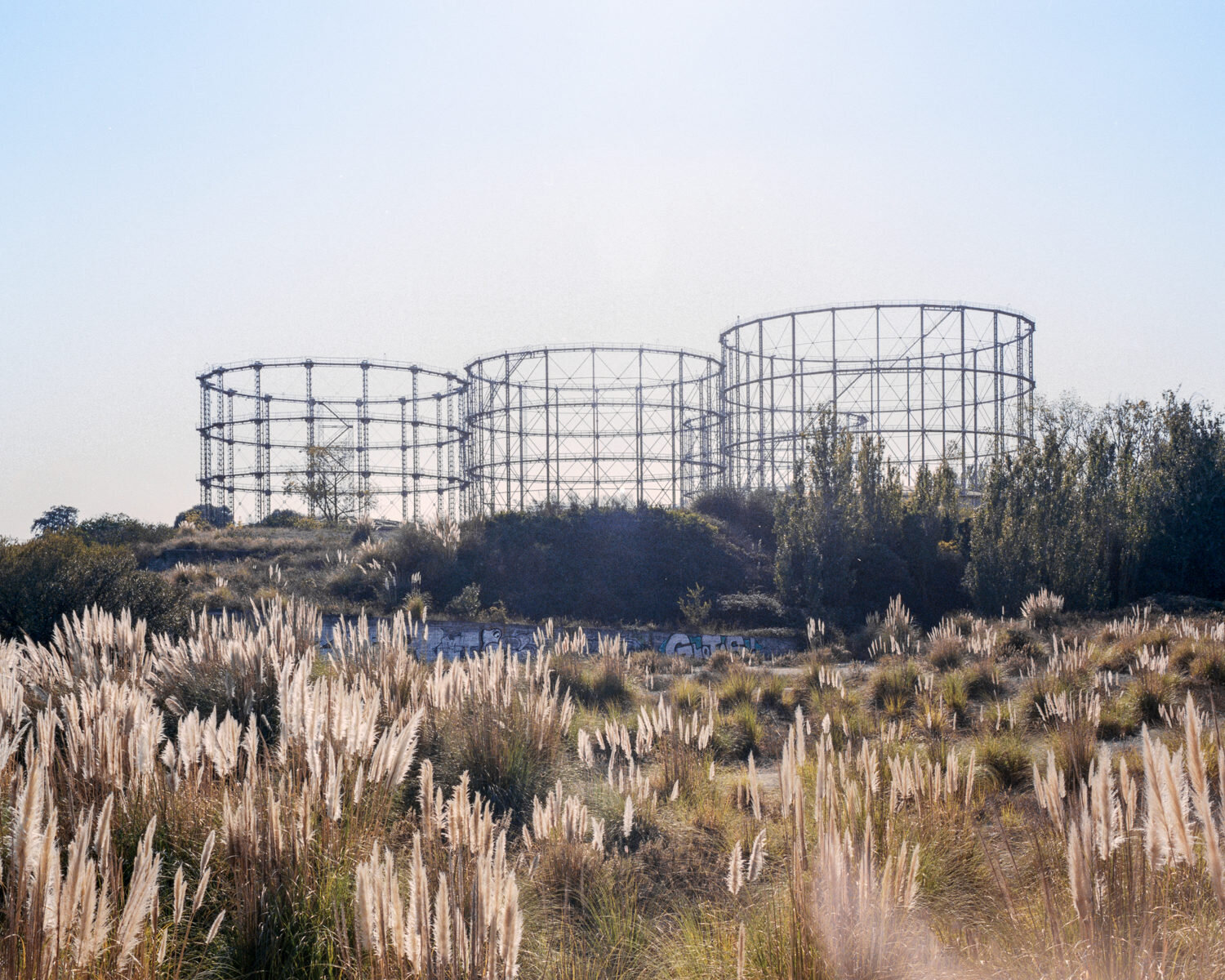
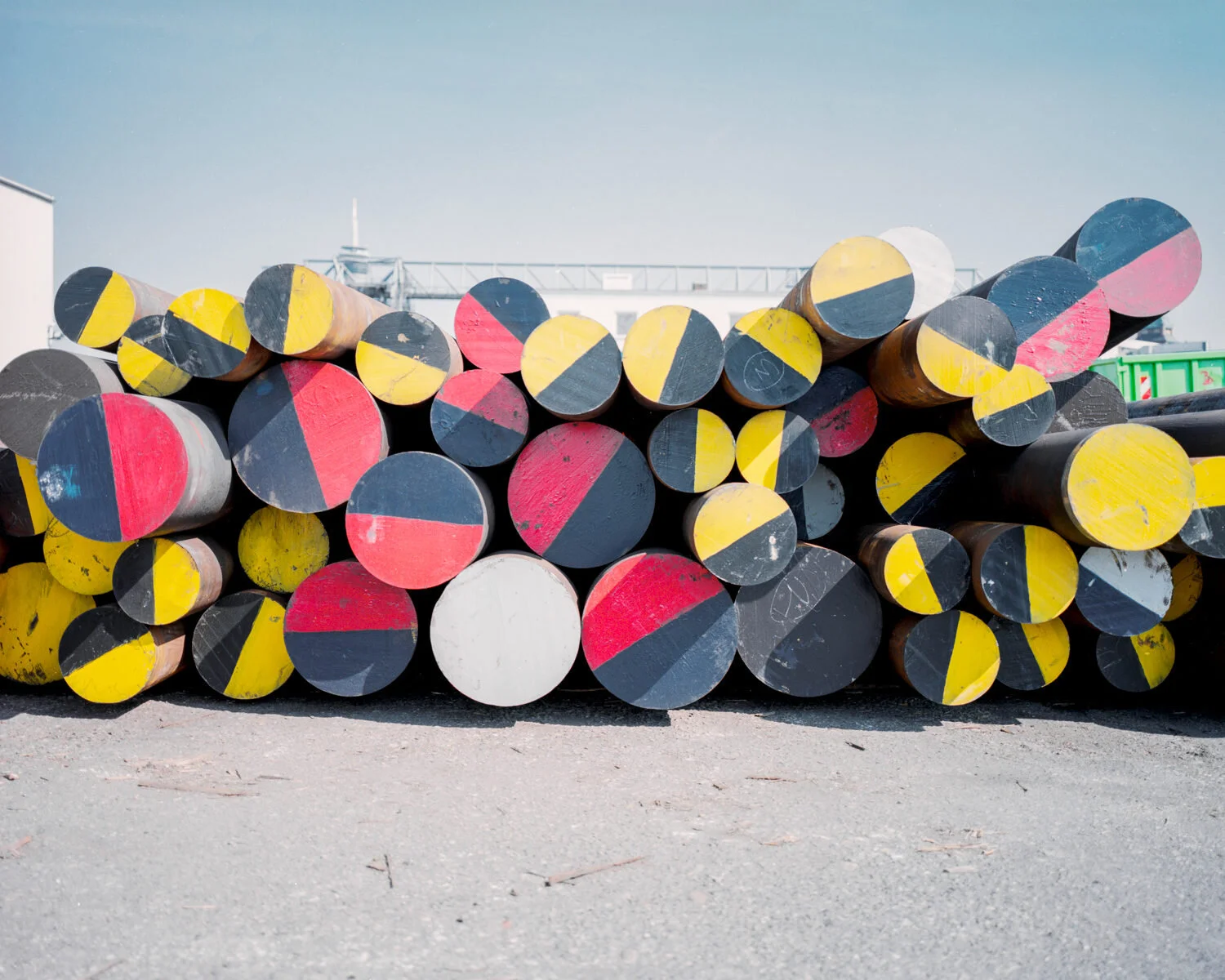
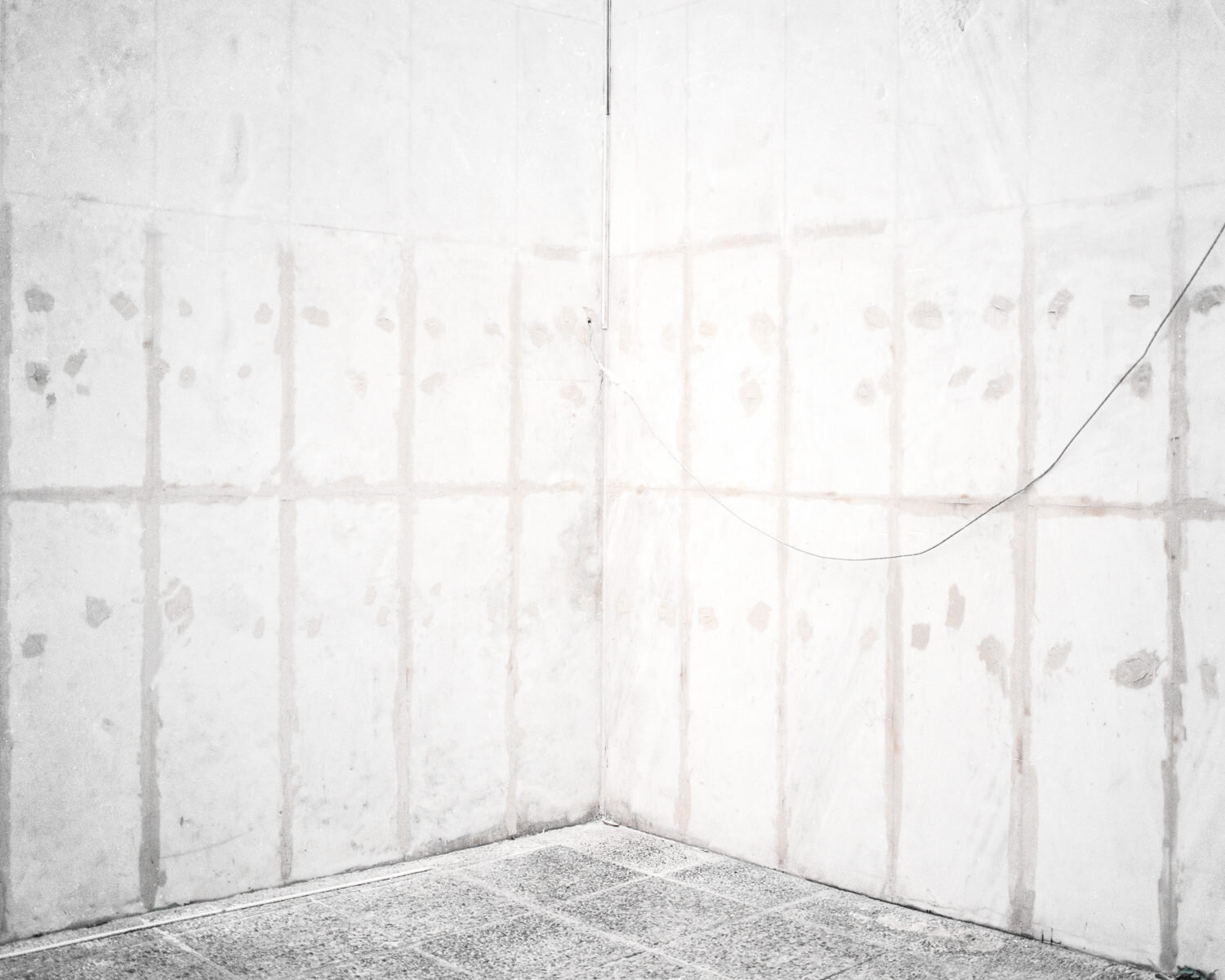
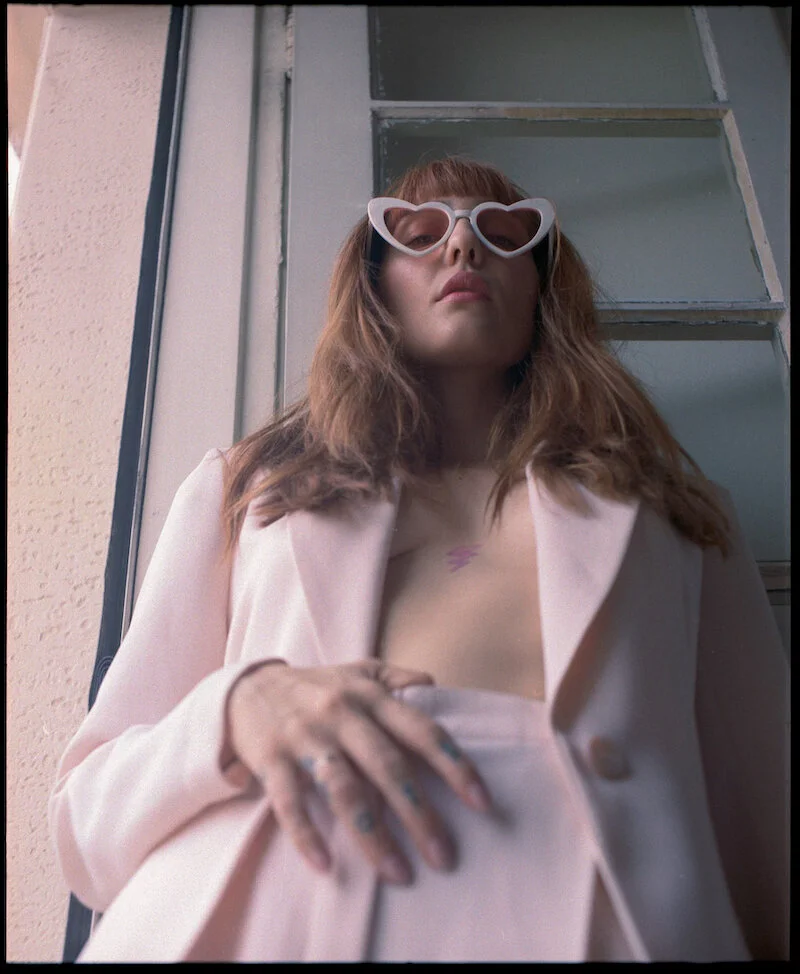
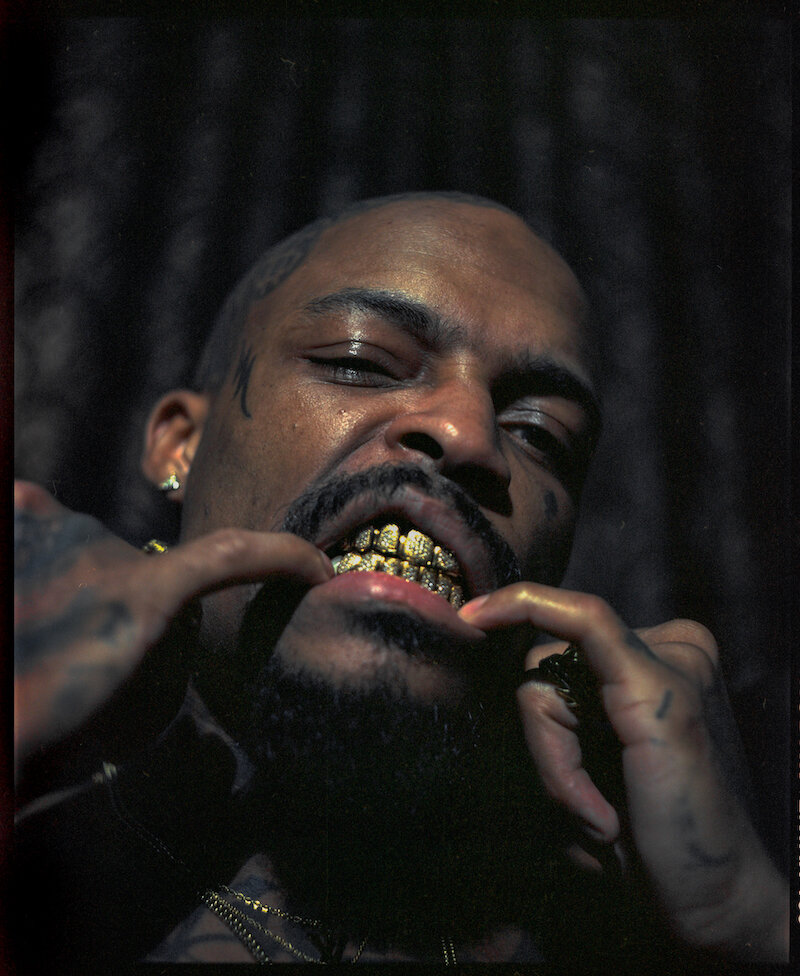
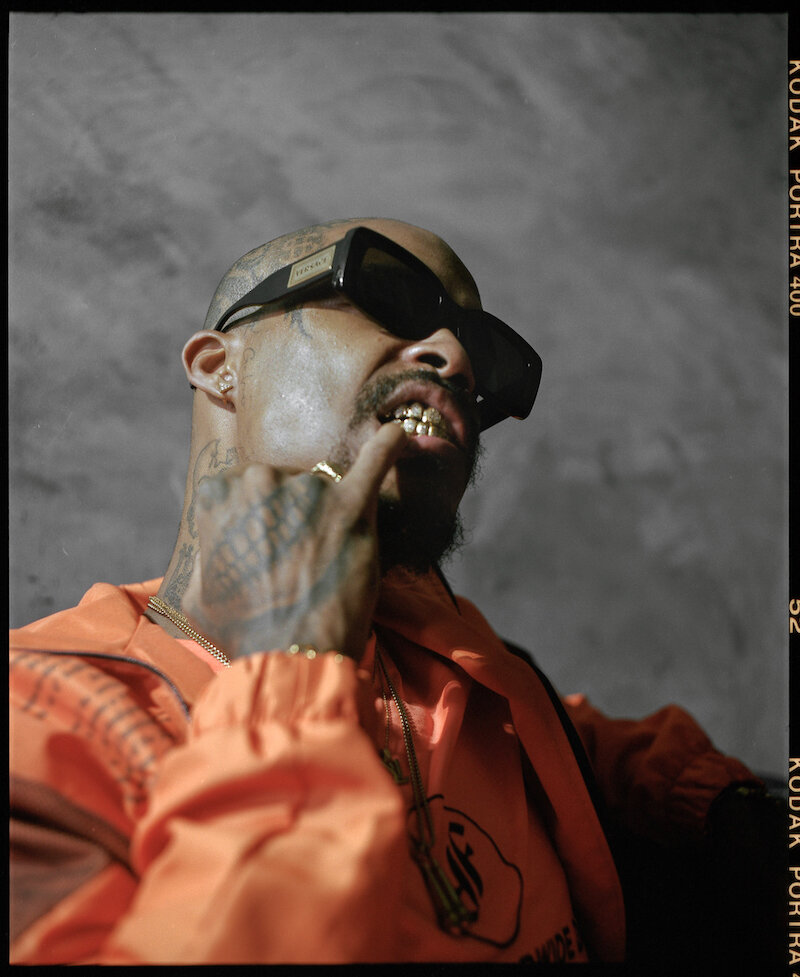
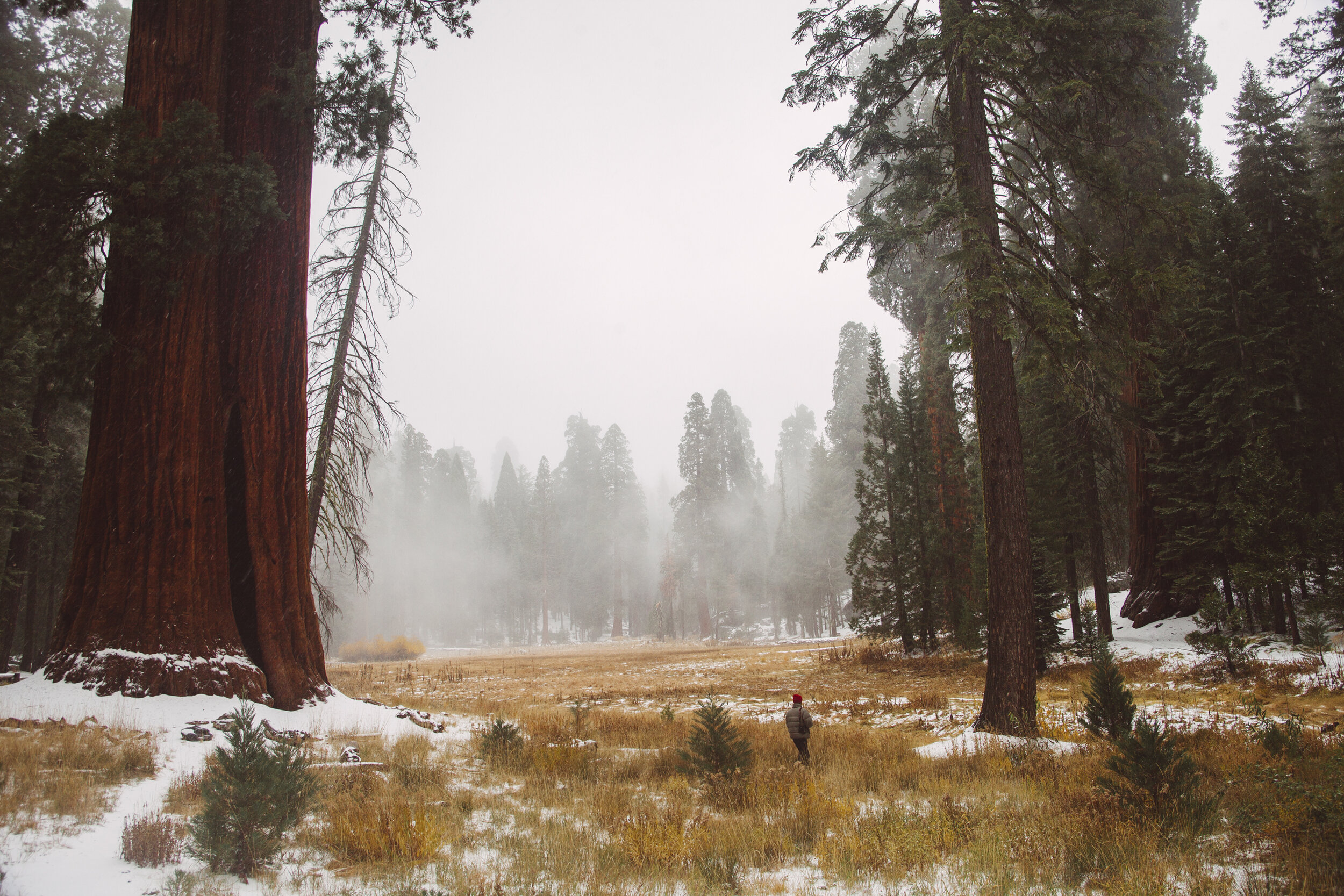
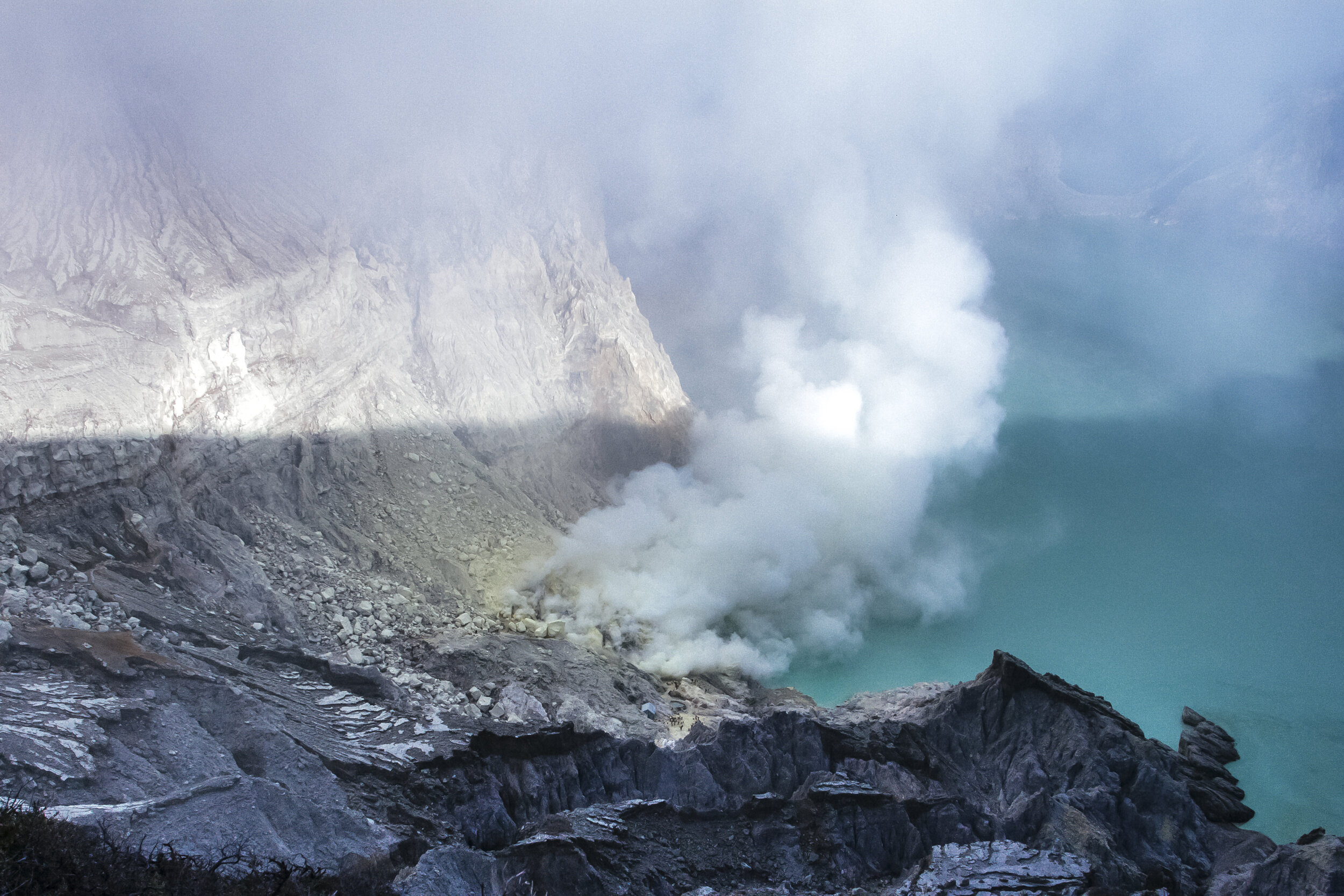
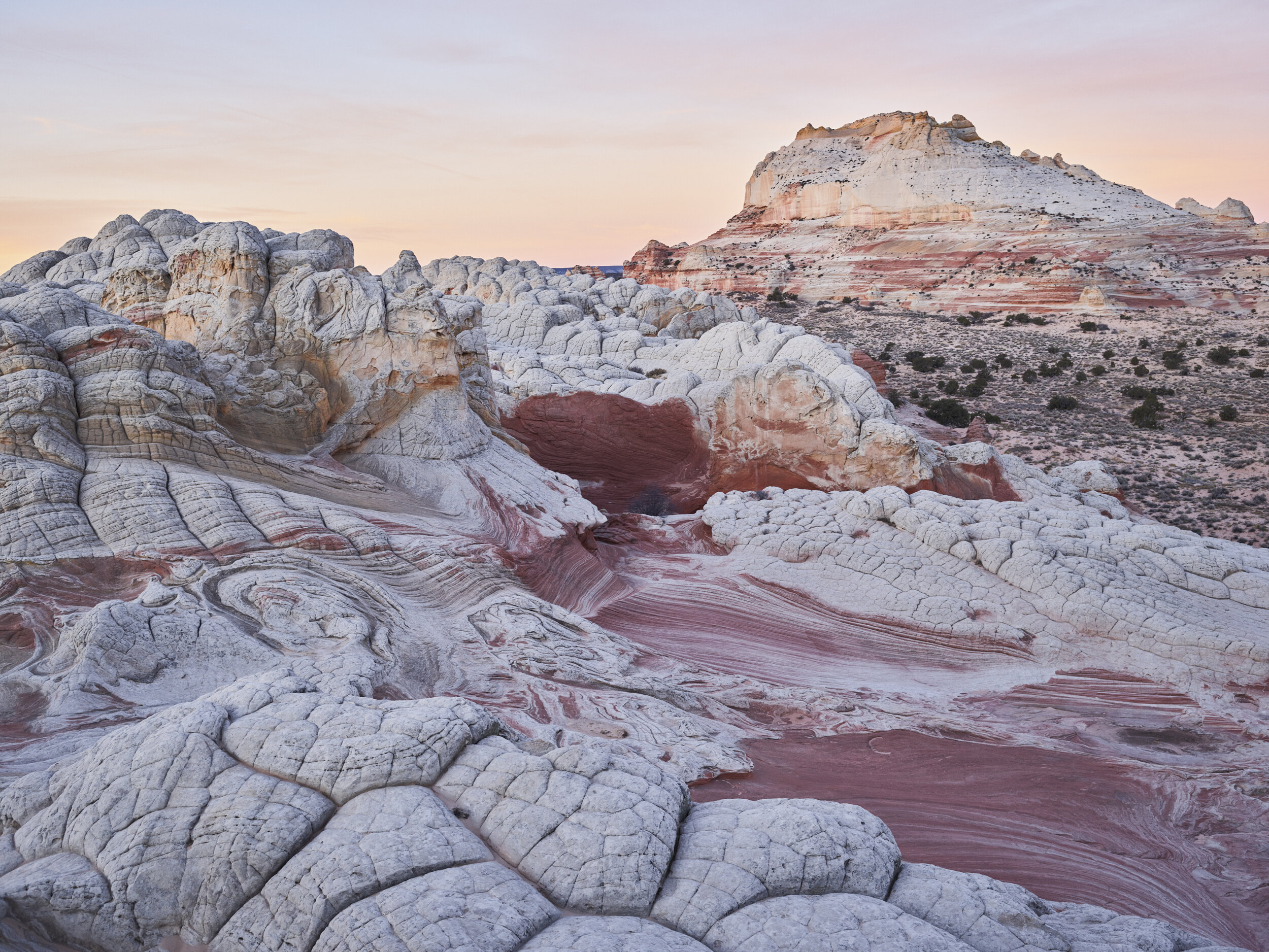
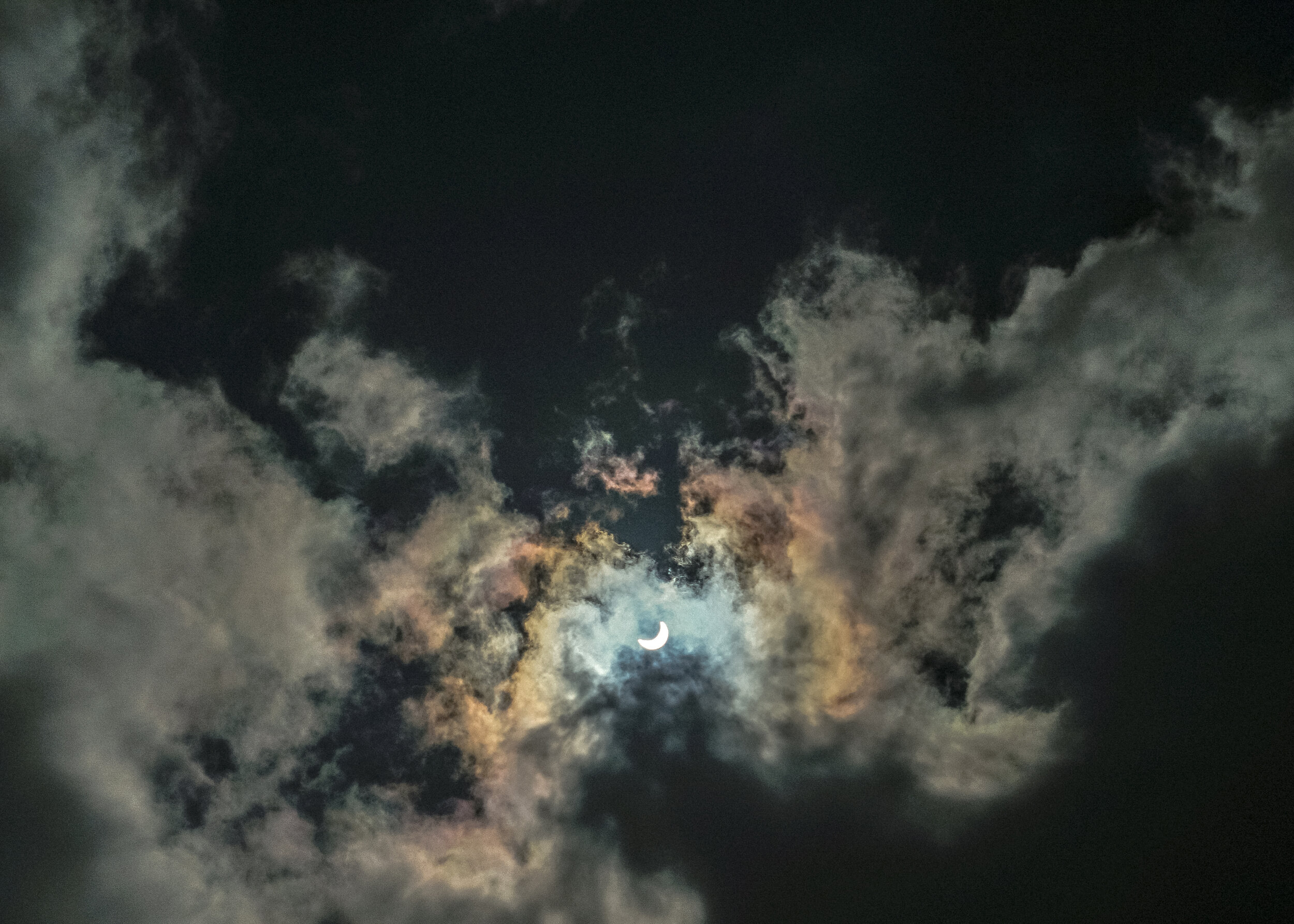
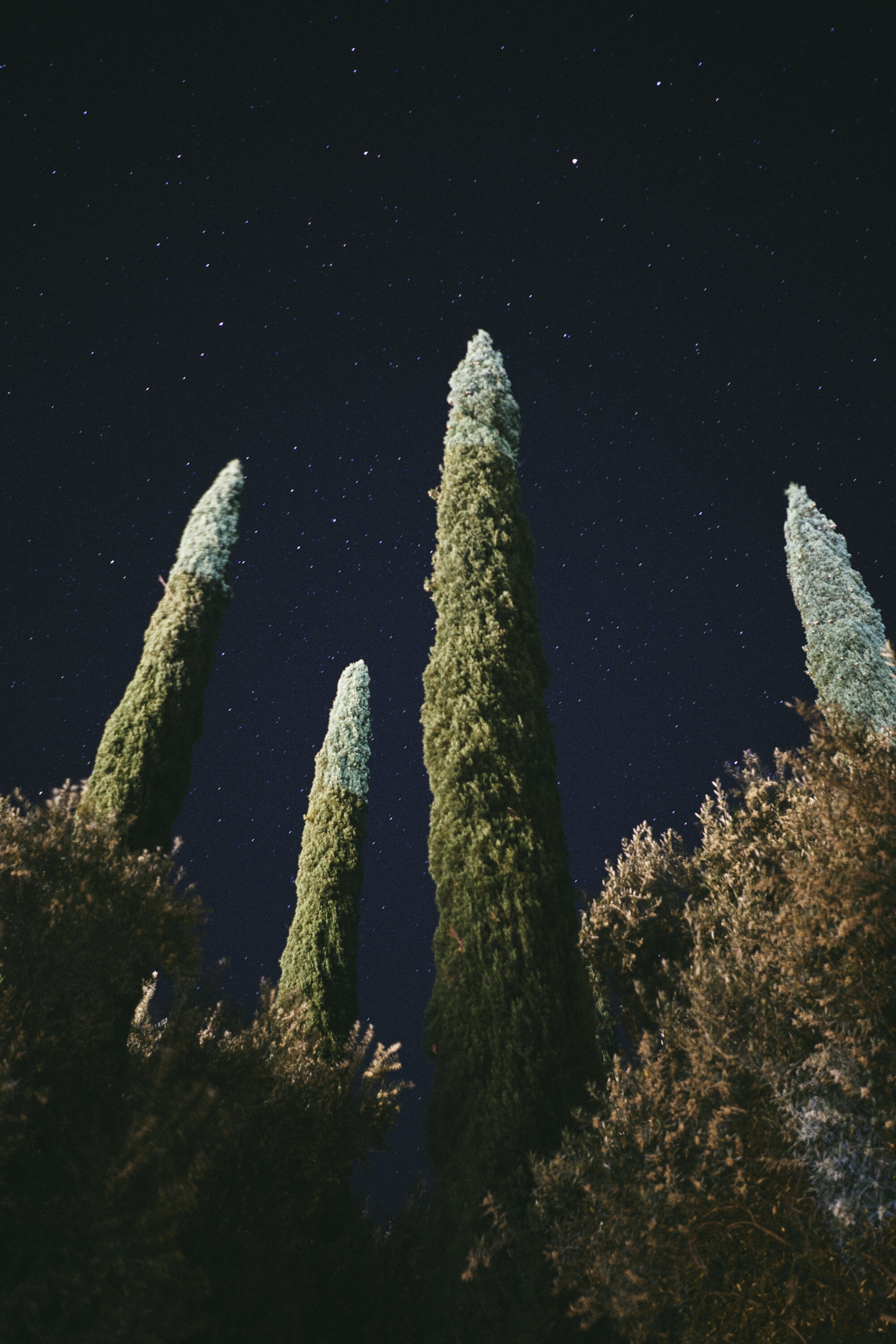
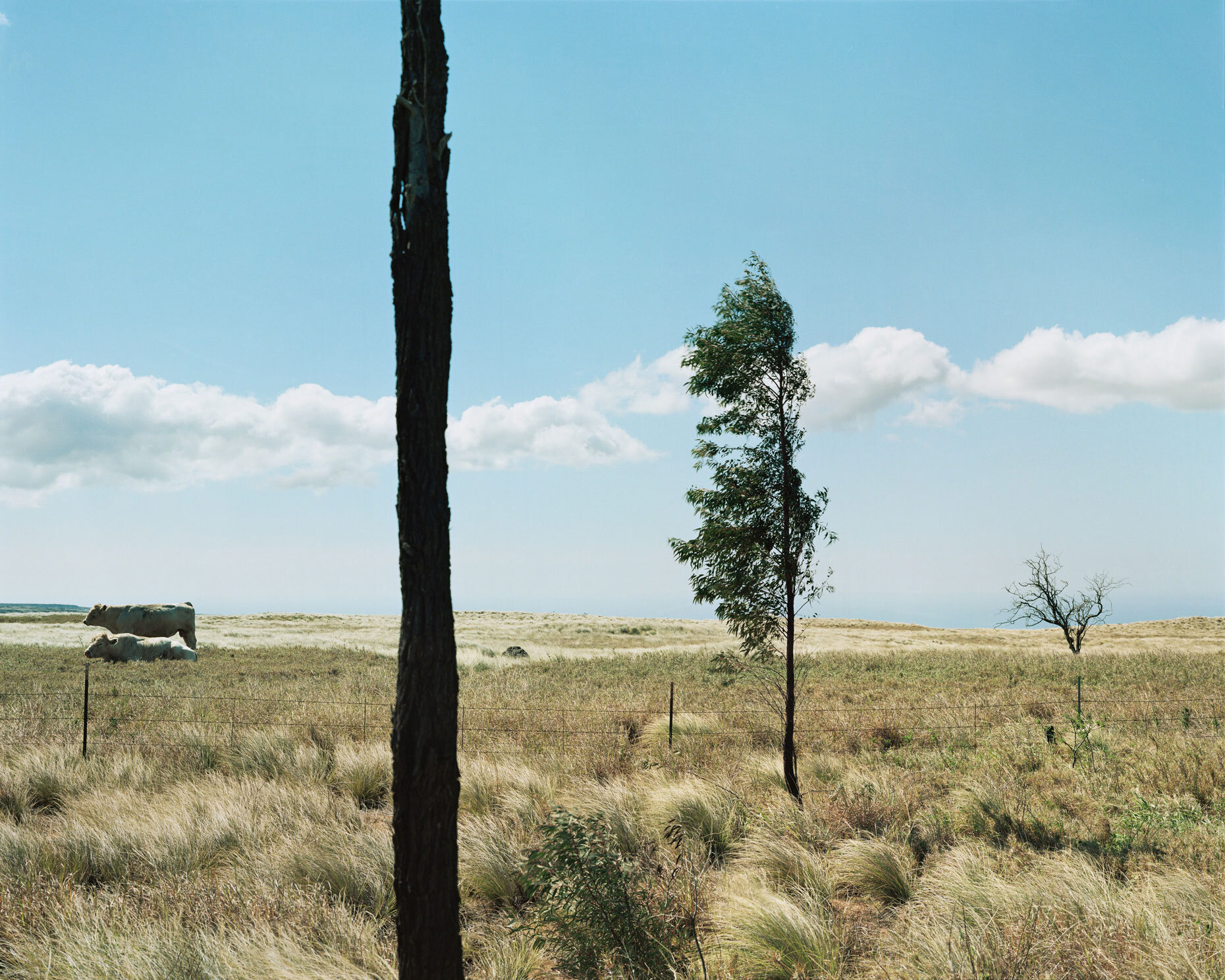
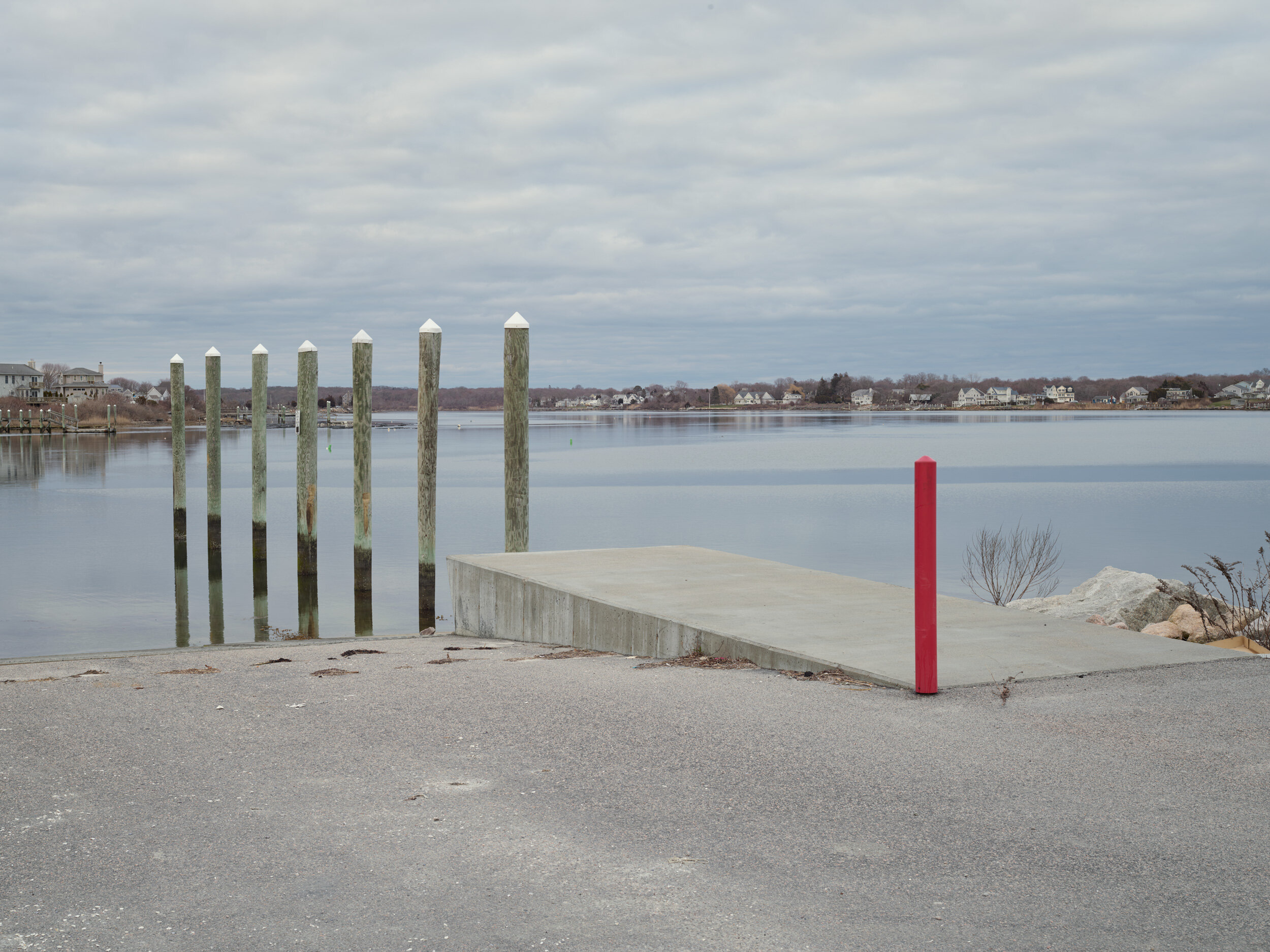
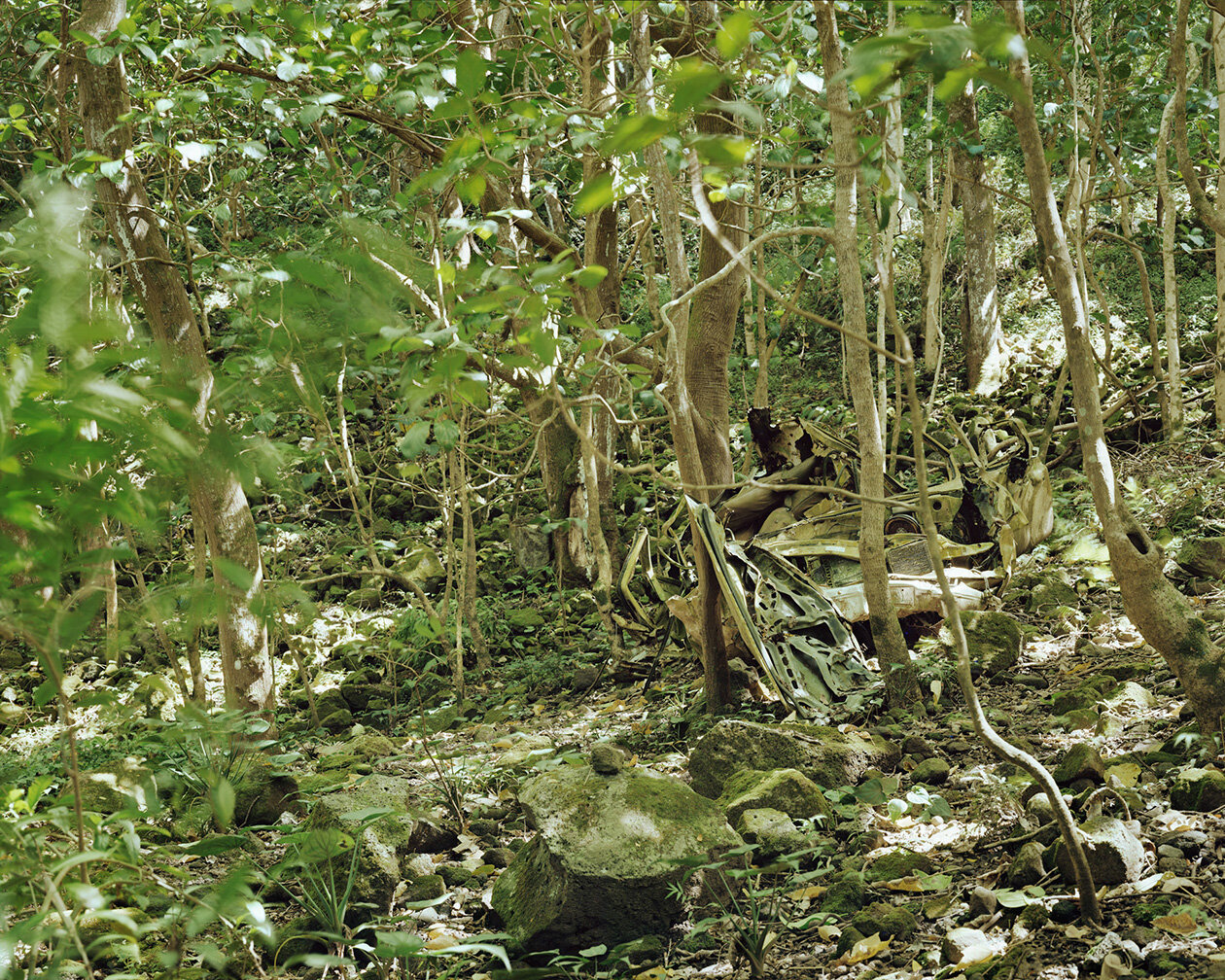
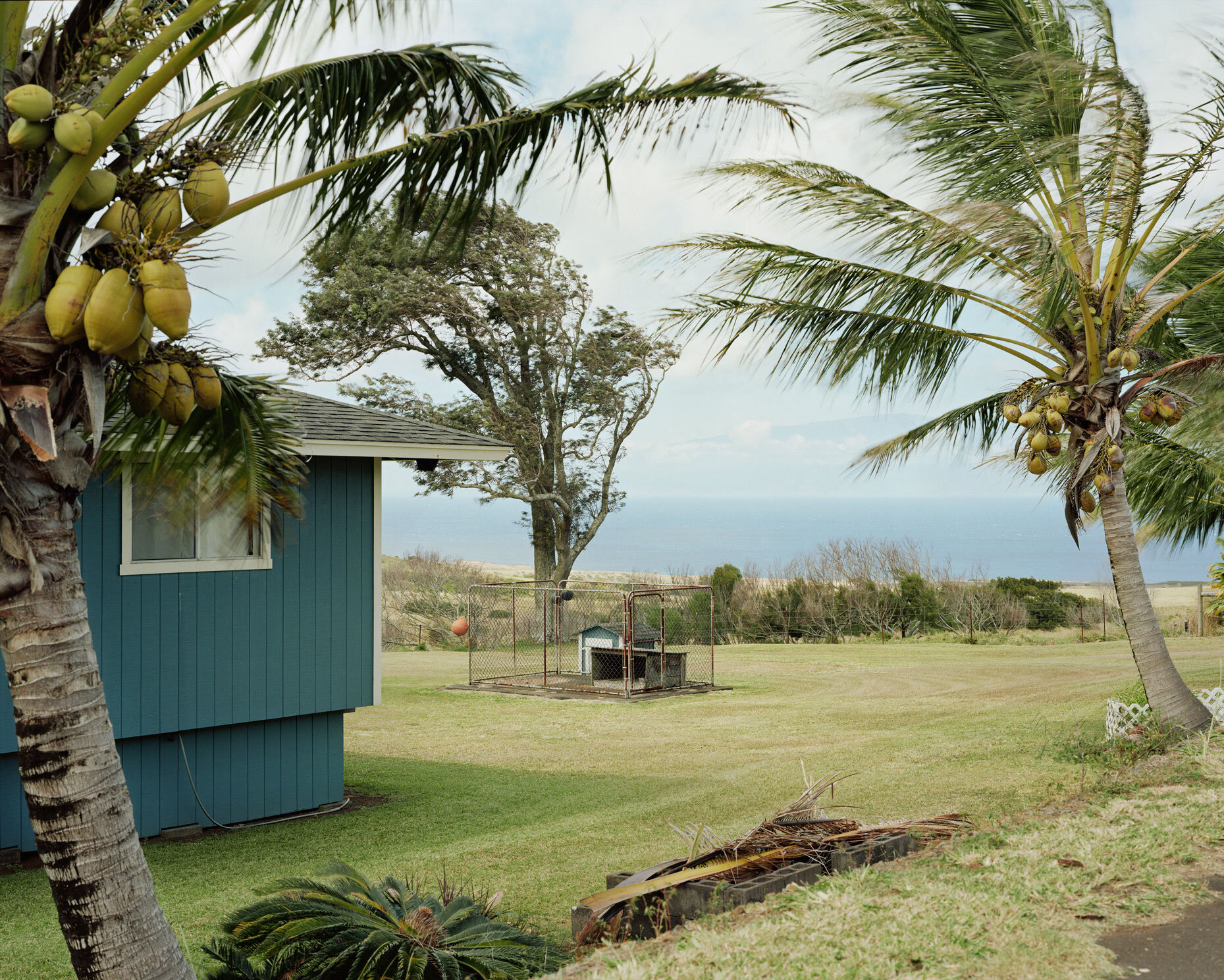
I’m from Barcelona, Spain. I’m mixed, my dad was Catalan and my mum’s from Benin, a little country in Africa. My work is a clear expression of my self and how I see life according to the values my ancestors gave me. I think my photography relates to our strong, natural component and our capacity to try to get away from nature–that eternal fight we all have inside. I explore how getting closer to nature makes us better humans, and makes us understand humanity from another point of view.

Axel on IG

Men-tal Health (2020)

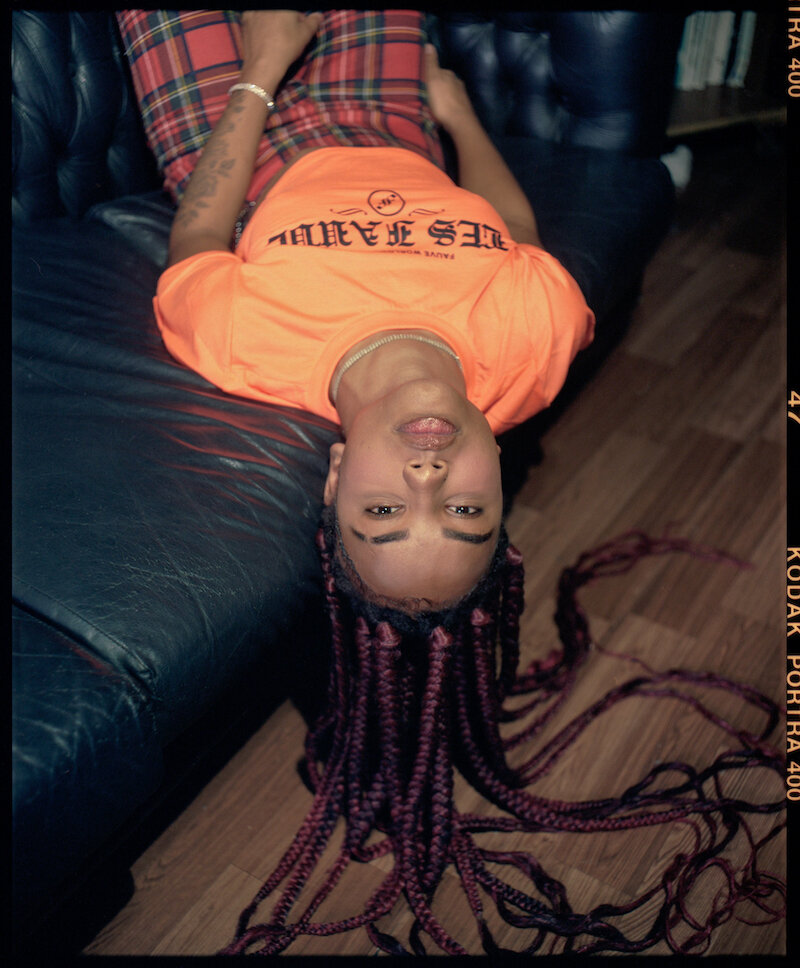
Men-tal Health by Louis Bever is an ongoing series that encourages men to be open about their emotions and to be honest about how they feel with their friends and loved ones. Each portrait is shot in the home or a comfortable space where they feel they can be their most vulnerable. The stories which accompany Louis’ portraits are diverse in nature, yet the same message resonates within each excerpt–men must prioritize and speak out about their mental health. Having these conversations is the first step. We must also work towards destigmatizing mental illness in BIPOC communities, as well as confront the racial disparities within mental health systems around the world. As June 15-21 marks Men’s Mental Health Awareness Week, take this time to reach out to your friends, spread awareness, and most of all–take care of yourself.

Thank you to all the brave men who shared their stories below.

 
Louis' Instagram
Louis' Website

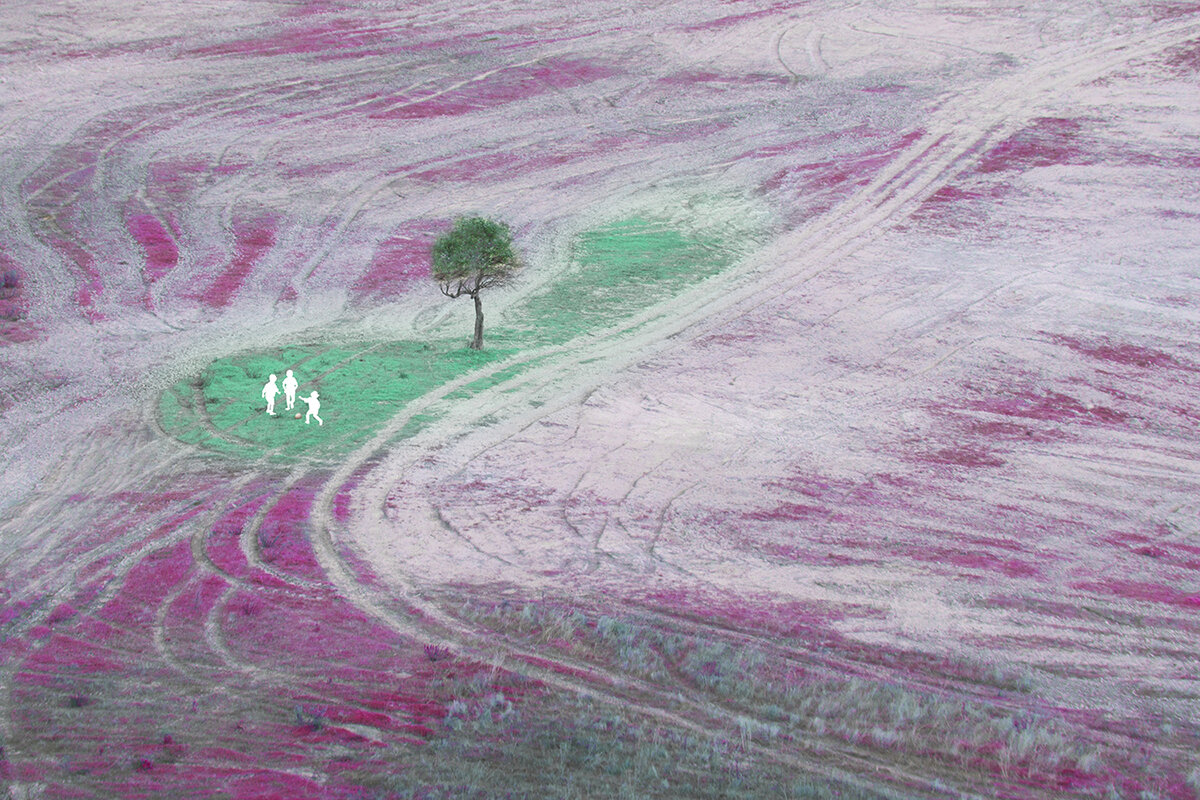
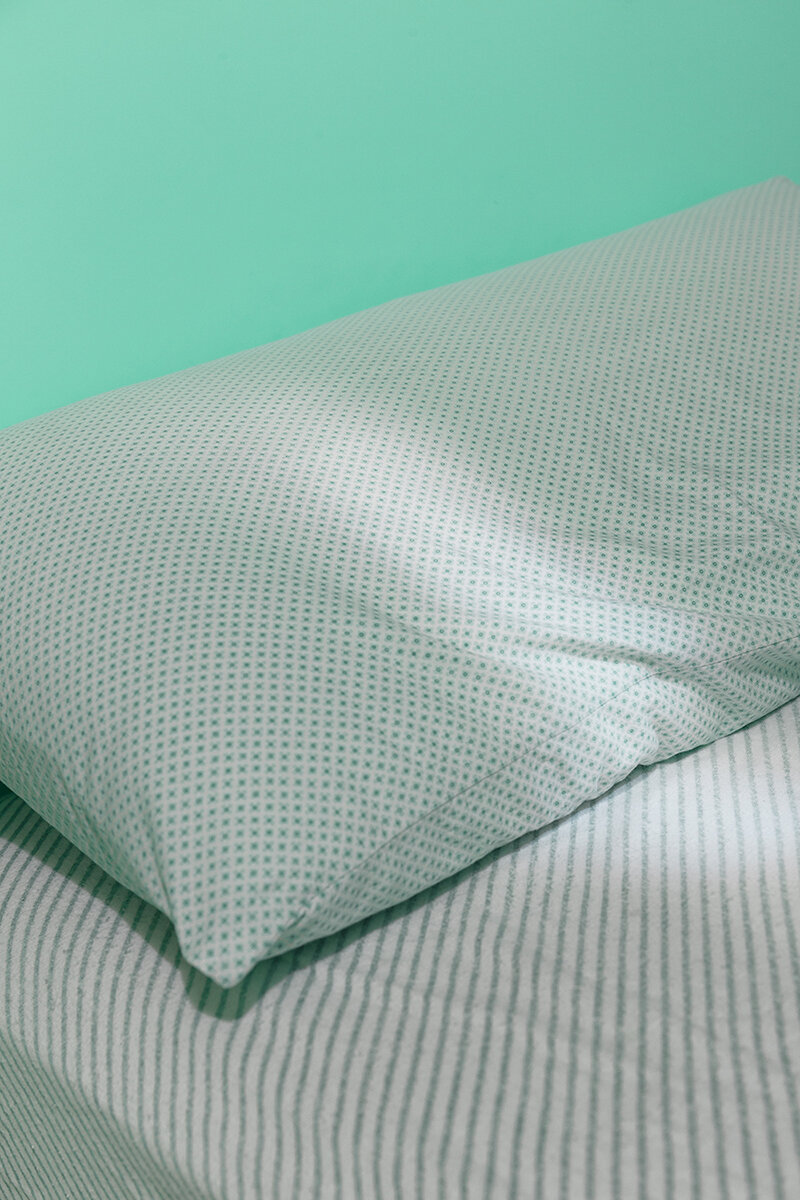
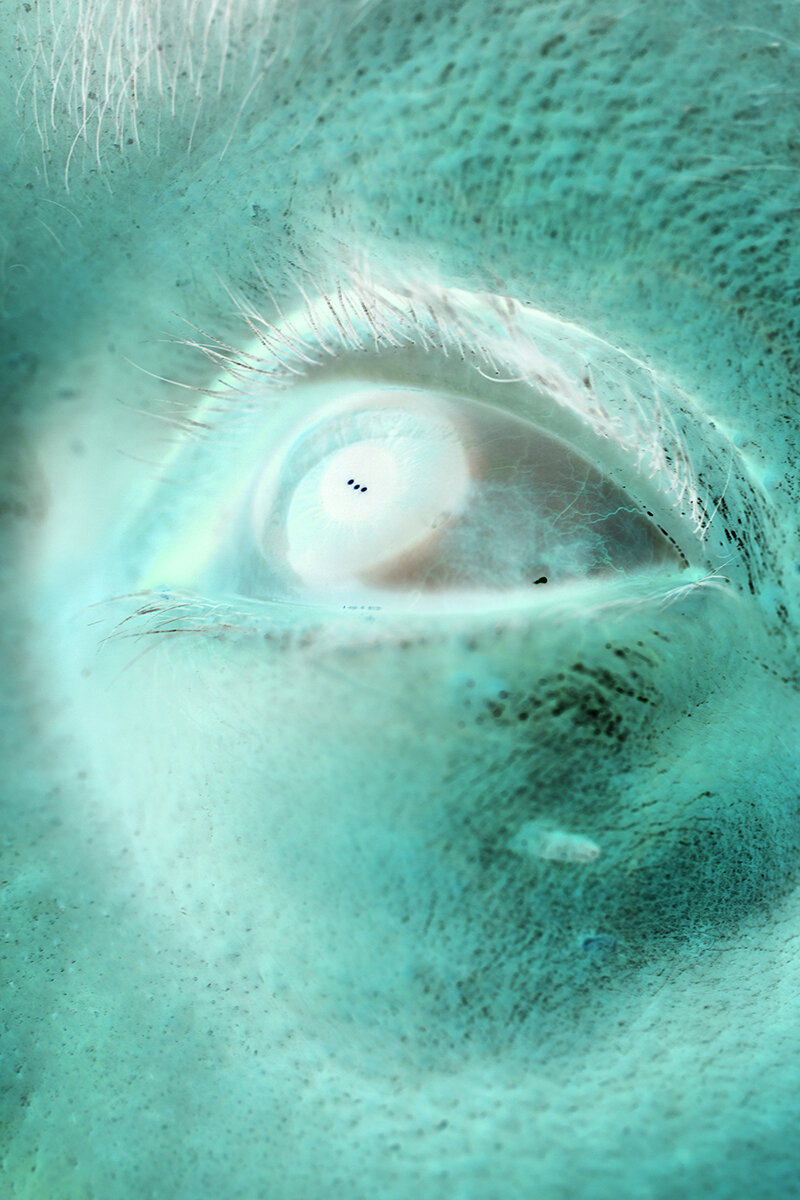
Noemi Comi - Alba lux

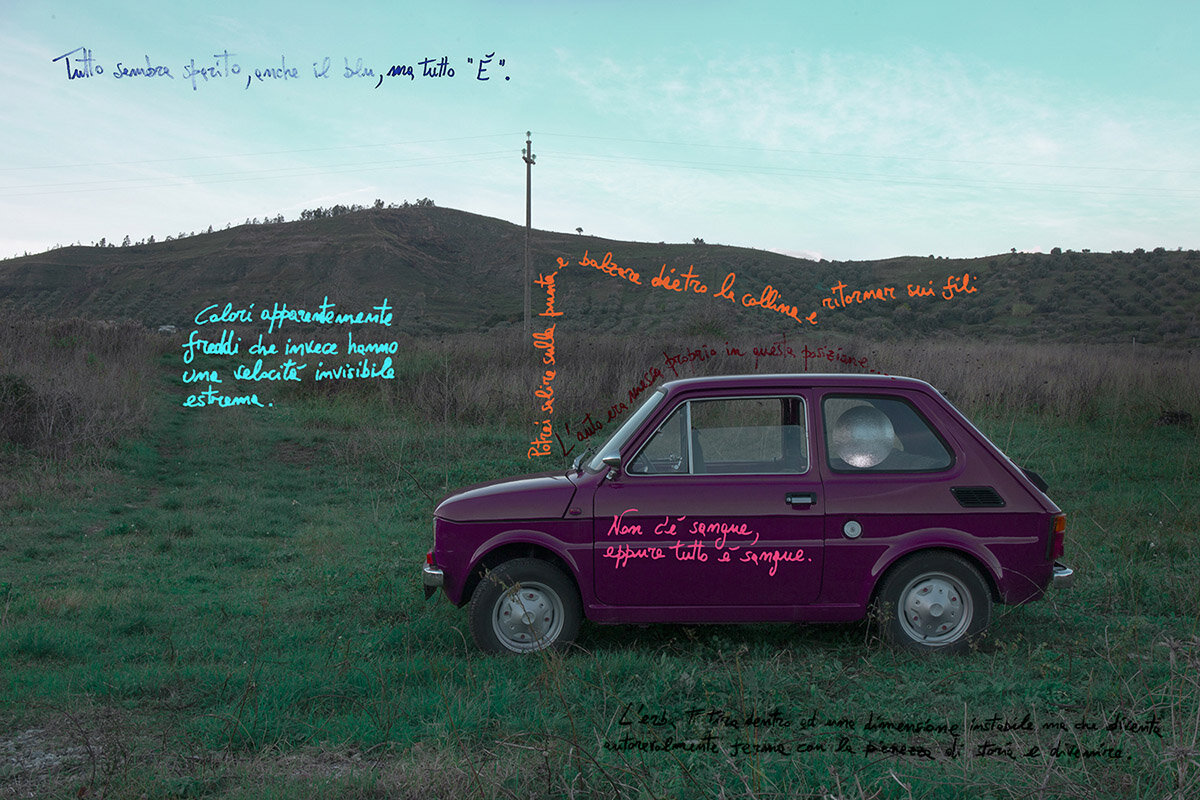
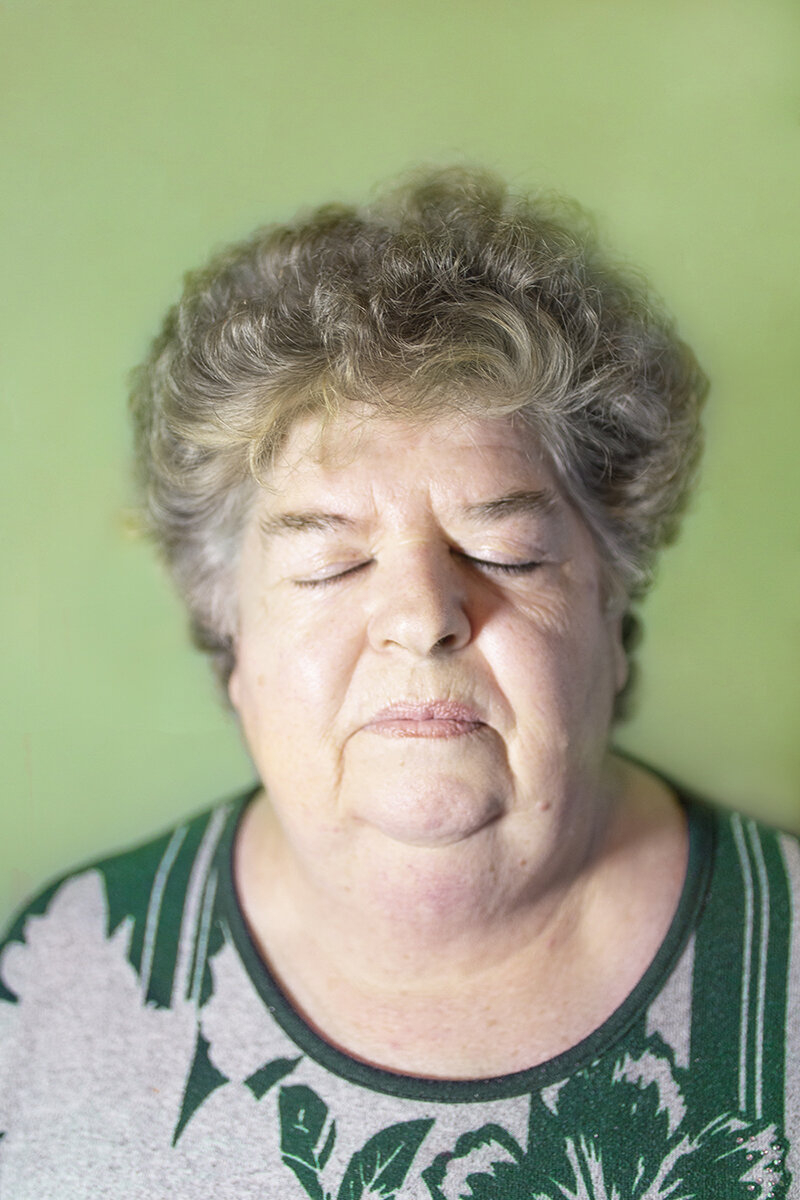
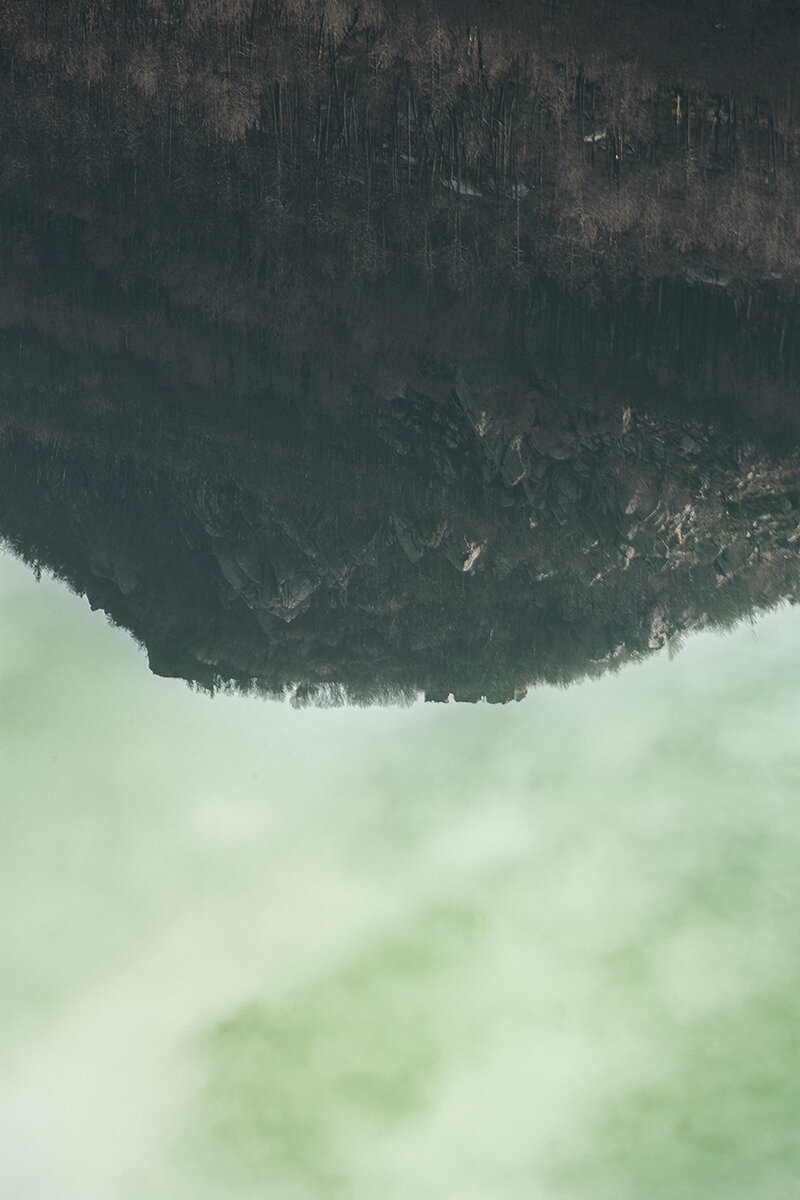
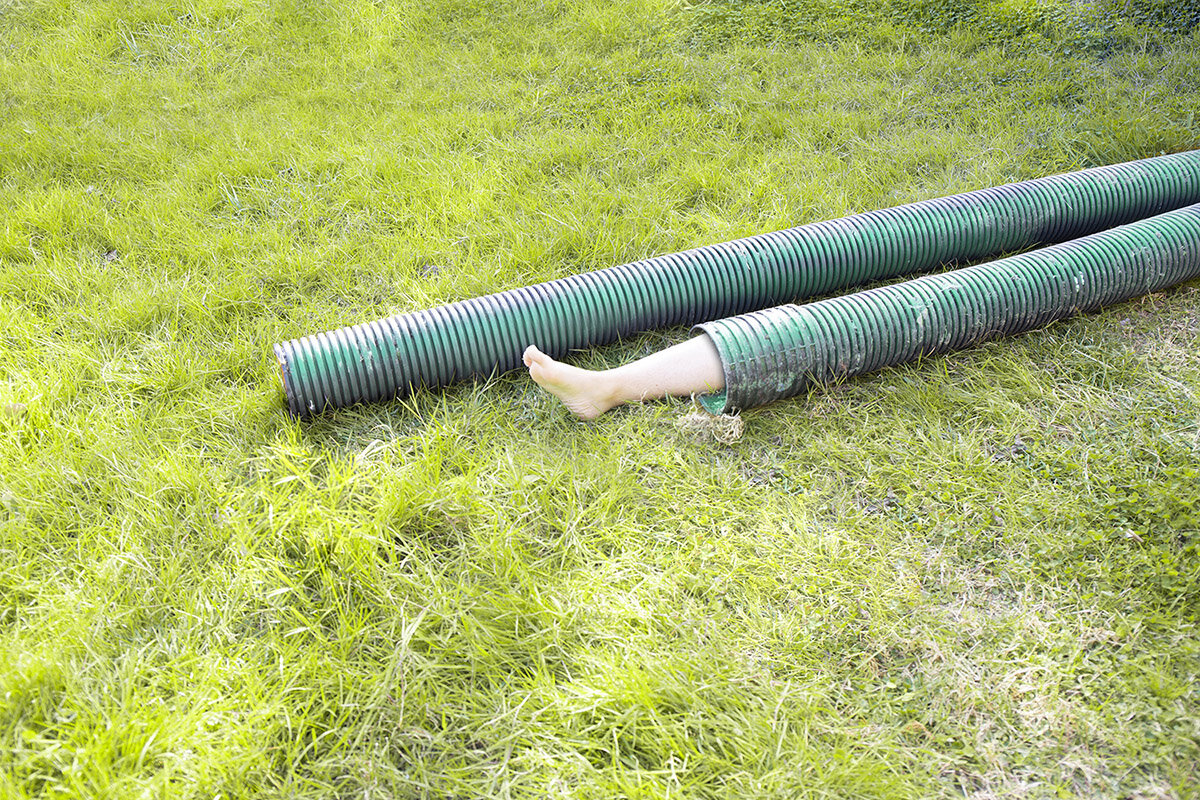
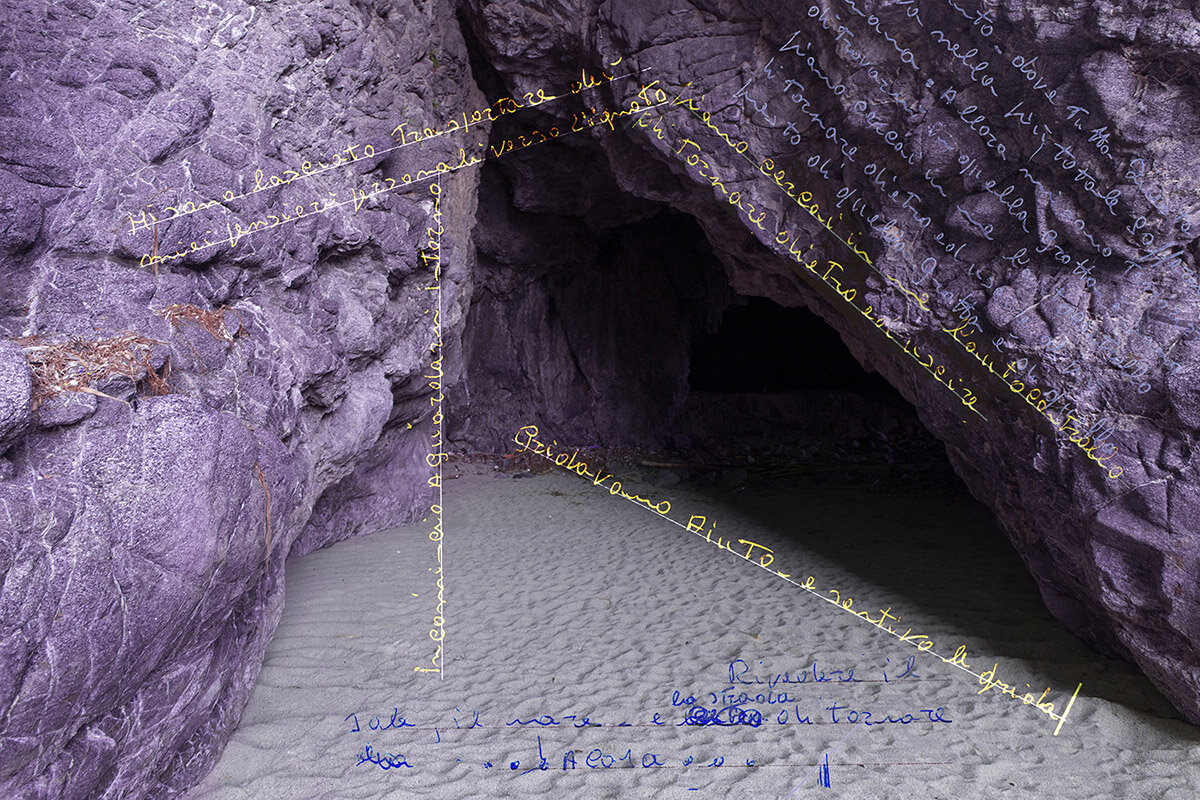
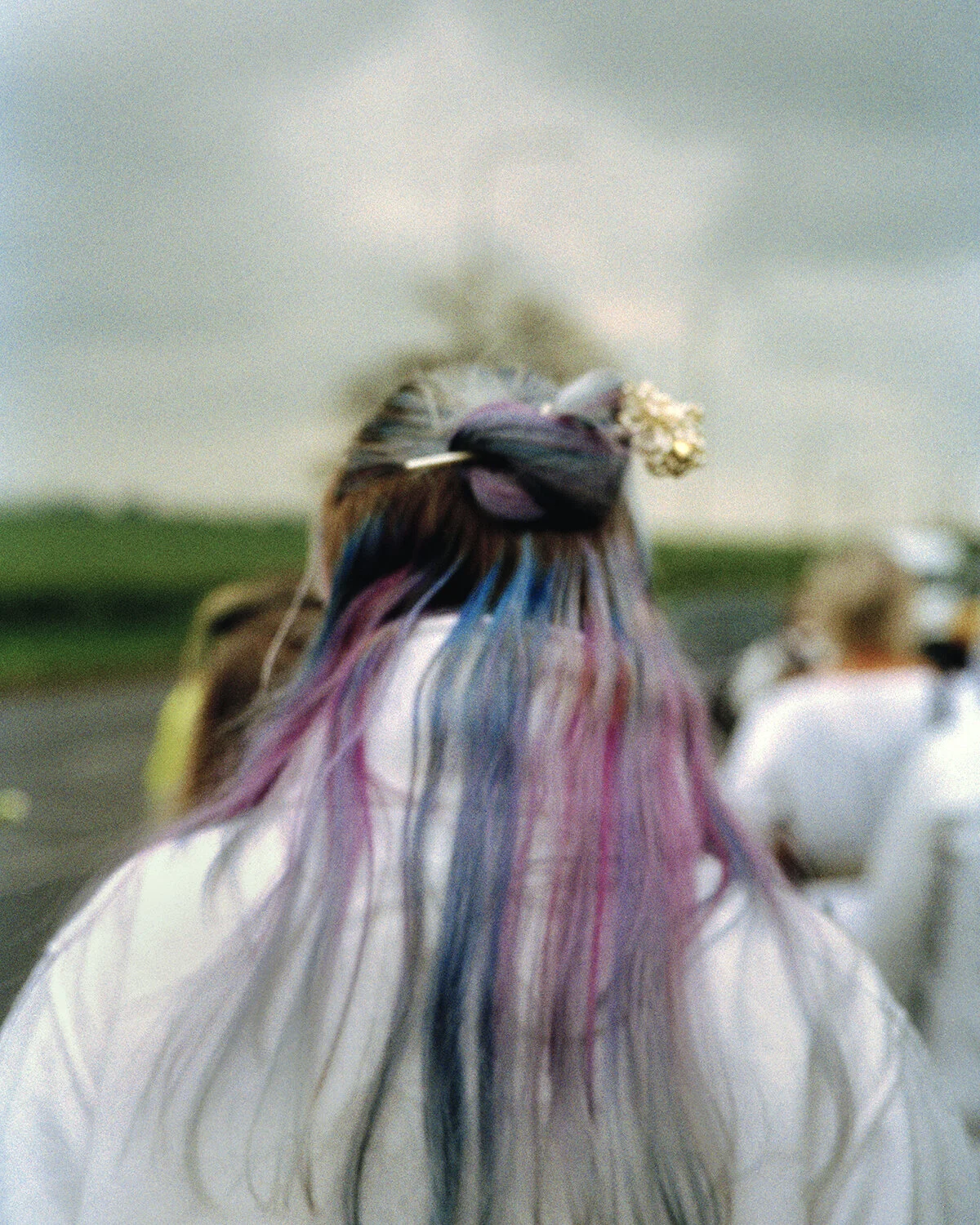
Alba lux is an artistic project that combines documentation and conceptual photography. The photographs become real symbolic images, reproducing idyllic atmospheres and ineffable realities. It’s a multidisciplinary journey between spirituality and science, which begins within the earthly reality and then takes off within the otherworldly one.

The central topic of the project concern Near-Death Experiences. NDE is a profound personal experience associated with death or impending death which researchers claim share similar characteristics. In fact, people with very different religious, political and social beliefs, have documented their experiences which share many elements in common: the presence of a strong light, a sense of bliss and changes in personality.

I found the subjects within social networks like Facebook and through personal connections. At first they were quite wary but after clarifying my intentions I was able to meet them. 

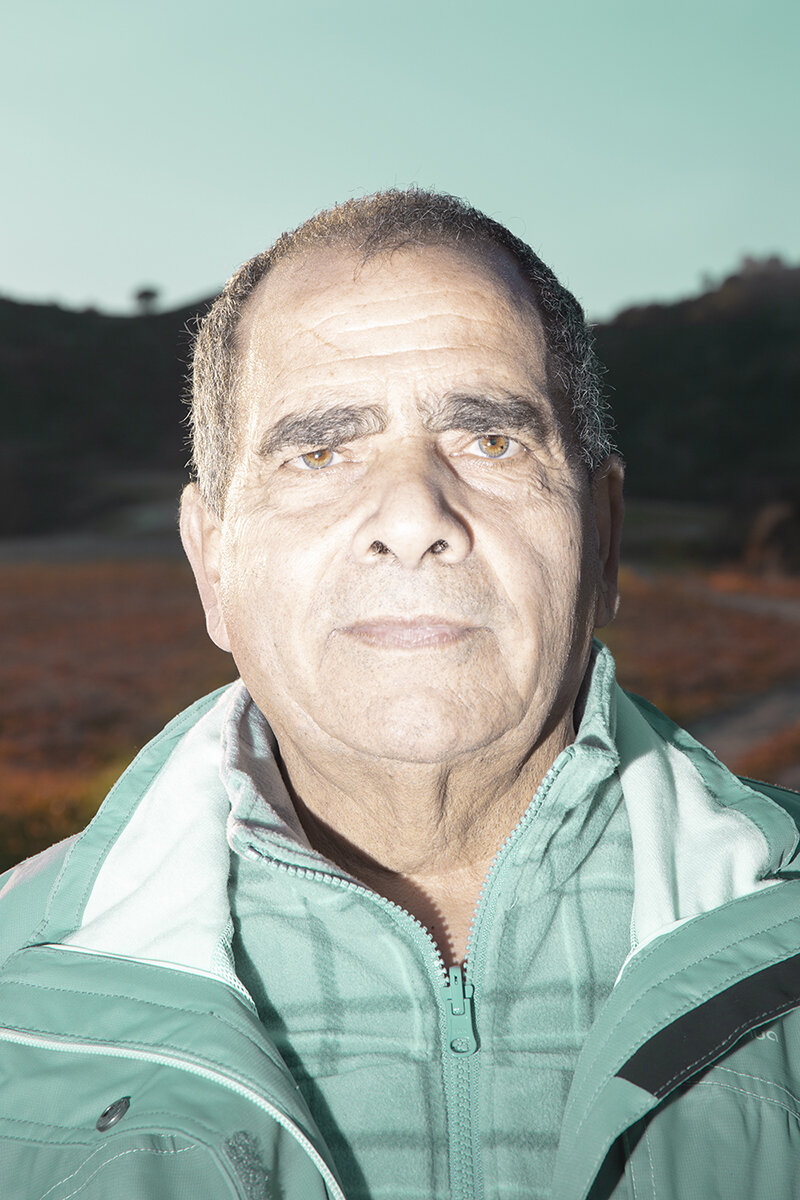
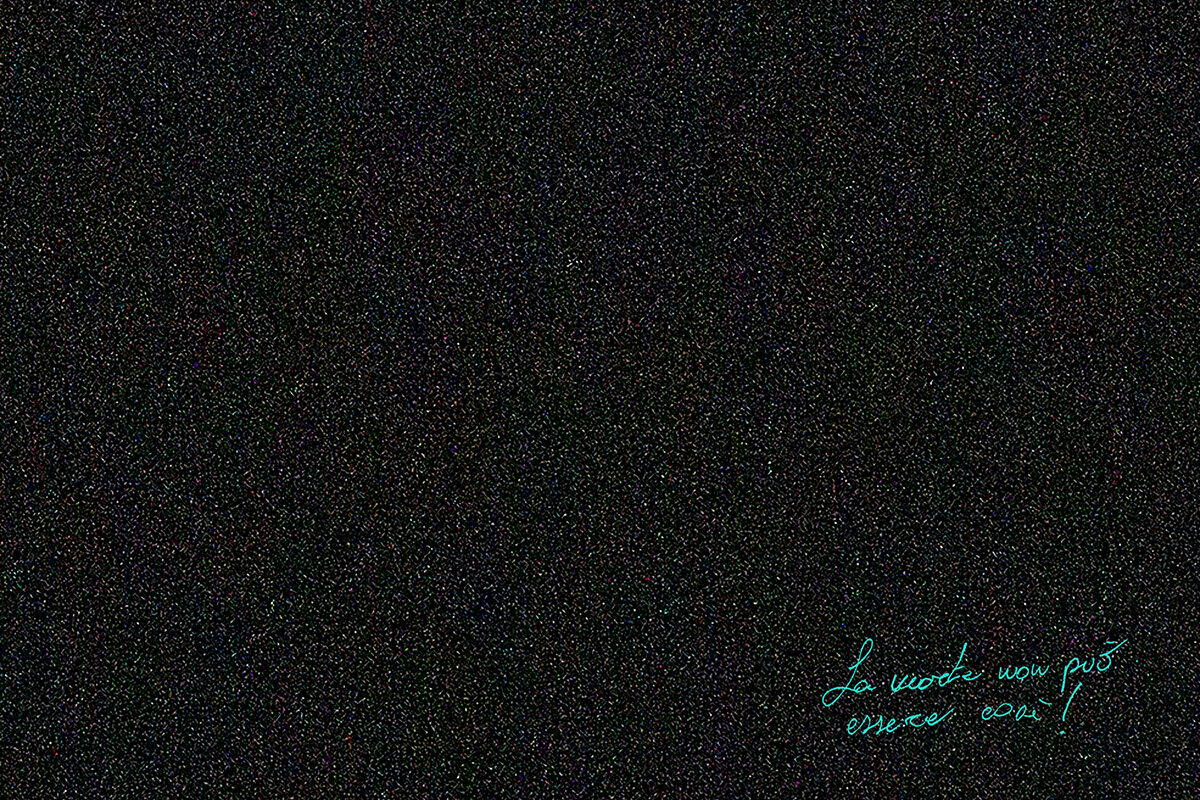
Each experience is very different and connoted by different religious aspects. Some have experienced it positively, others were traumatized and suffered from depression. Each story is described by three different photographs: the first two want to represent the subject and his changes, the third is a conceptual interpretation of the experience they lived. The writings inserted are texts in Italian written directly by the subjects about their experiences.

Noemi on IG

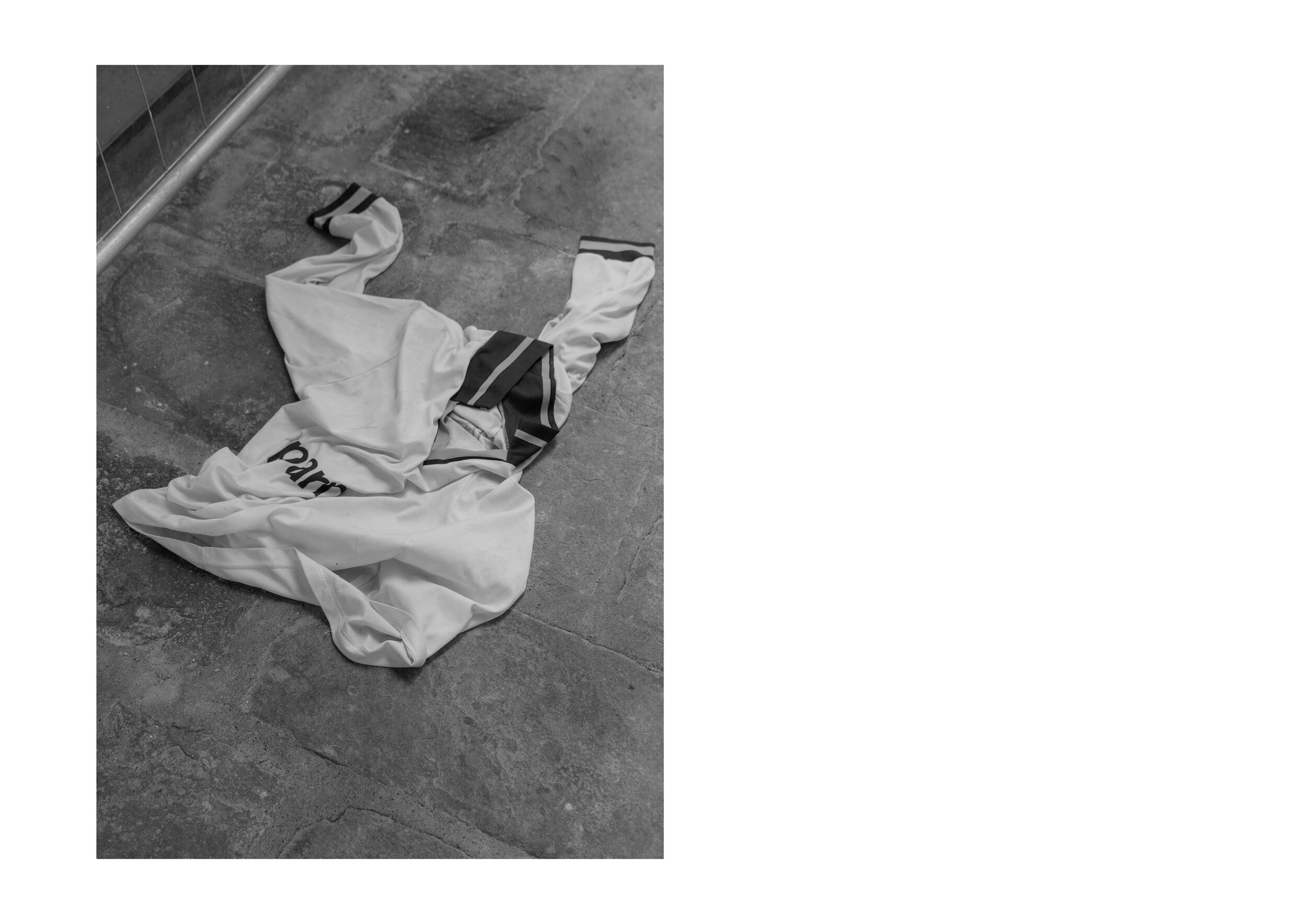
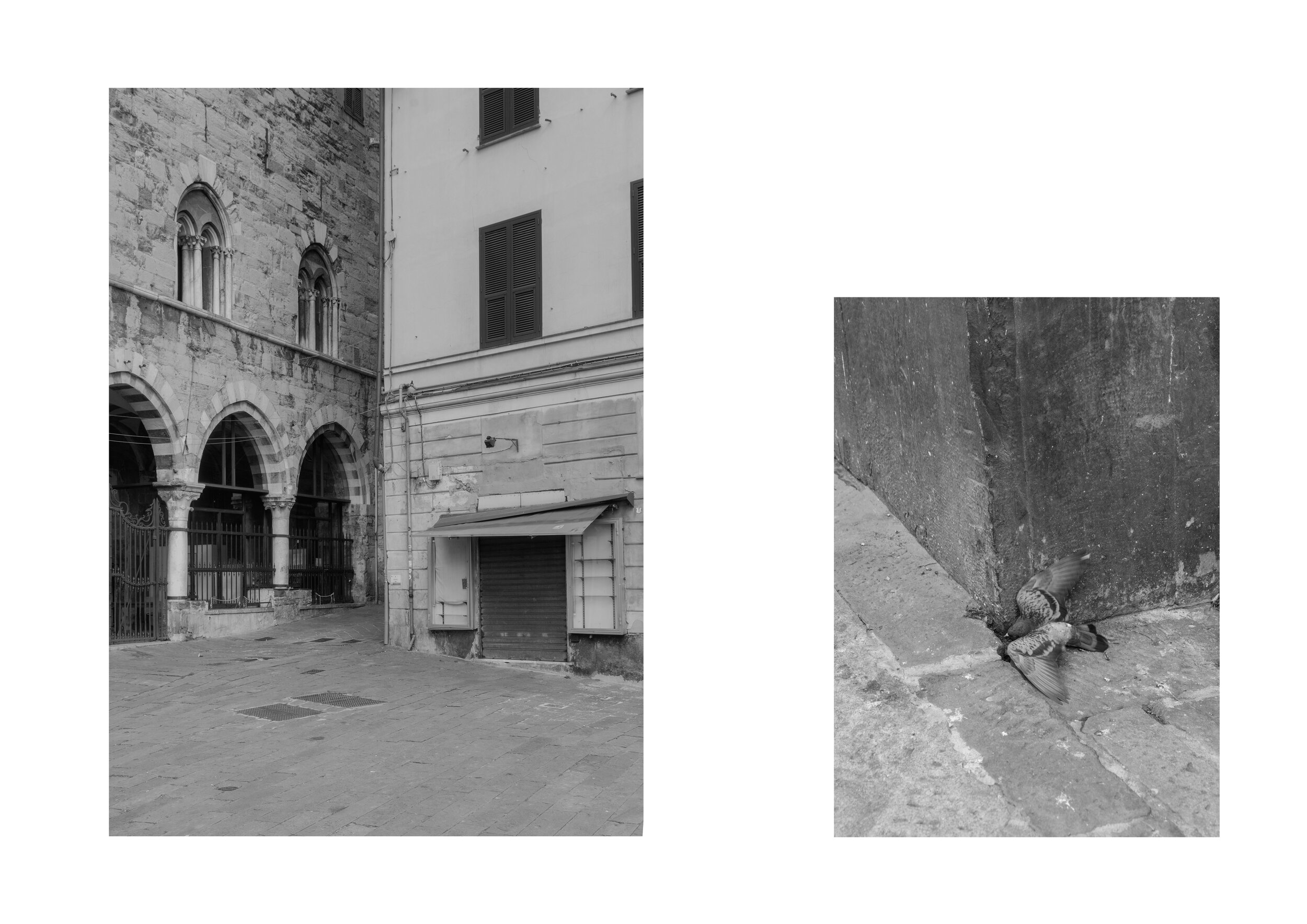
Camillo Pasquarelli - Lockdown in Genoa

Screen Shot 2020-05-31 at 11.42.48 AM.png

On March 9th, the Italian government imposed a lockdown to prevent the spread of Covid-19. Since then, 60 million people have been living under one of the most severe quarantines in Europe.

When Italian Prime Minister Giuseppe Conte announced the beginning of the so-called “Phase 1” of the lockdown, I found myself stuck in a place I barely knew– the coastal city of Genoa. As time progressed, Genoa became the place I ended up exploring in its pandemic desolation.

The emptiness of the city amplified its celebrated and mysterious past. For centuries, Genoa played a central role in the history of the Mediterranean region. Its port, once a mandatory destination for traders hailing from the East and West, is now facing the consequences of global economic slowdown. This reverberates into the deep identity crisis the whole city has been facing for decades; a crisis and a pandemic. I wondered how I could effectively tell these two stories from the right angle, with an honest and visual representation.

I felt disoriented, caught in the middle of the constant flux of images offered by mass media. To visualize the effects of the virus on our lives is to see the packed hospitals, portraits of doctors and nurses painstakingly fighting the spread of Covid-19, lines and lines of coffins. While locked at home, connecting with the outer world needs mediation, and images play a crucial part in forming our idea of what is going on out there. At first, I was skeptical about portraying a collective experience from an objective and informative approach. But then, while wandering around the narrow alleys of the old town, I realized that in order to find a way to convey this daunting feeling of stillness and suspension, I had to let the emotions take the lead and guide me through my long, lonely walks, and their casual encounters.

An old man enjoys the spring sunshine right outside his home.

An old man enjoys the spring sunshine right outside his home.

Genoa3.jpg
The port of Genoa, one of Italy’s most major seaports, is facing a critical moment due to the collapse of cargo and cruise ships.

The port of Genoa, one of Italy’s most major seaports, is facing a critical moment due to the collapse of cargo and cruise ships.

Luca Bonfiglio, 59. He works at the port and is part of the labourer association–a group helping to deliver food and medication to the elderly or to those unable to leave their homes.

Luca Bonfiglio, 59. He works at the port and is part of the labourer association–a group helping to deliver food and medication to the elderly or to those unable to leave their homes.

Genoa6.jpg
Tiny alleys characterize most of Genoa’s city centre.

Tiny alleys characterize most of Genoa’s city centre.

The city of Genoa has one of Italy’s highest aging population.

The city of Genoa has one of Italy’s highest aging population.

Genoa9.jpg
The famous beach of Boccadasse, an old mariner’s neighbourhood, normally overcrowded in the spring with locals and tourists.

The famous beach of Boccadasse, an old mariner’s neighbourhood, normally overcrowded in the spring with locals and tourists.

Genoa11.jpg
An elderly woman receives her medication delivered to her doorstep by a volunteer.

An elderly woman receives her medication delivered to her doorstep by a volunteer.

Genoa13.jpg
Genoa14.jpg
Genoa15.jpg
Silvia Calosso, 20; another dedicated volunteer for the labourers association.

Silvia Calosso, 20; another dedicated volunteer for the labourers association.

Genoa17.jpg
“Mangini Cafe”. All the bars, cafes and restaurants are closed.                                The closed entrance of Carlo Felice, the city’s main theatre.

“Mangini Cafe”. All the bars, cafes and restaurants are closed. The closed entrance of Carlo Felice, the city’s main theatre.

Genoa19.jpg
Genoa20.jpg
Camillo on ig
Camillo's website

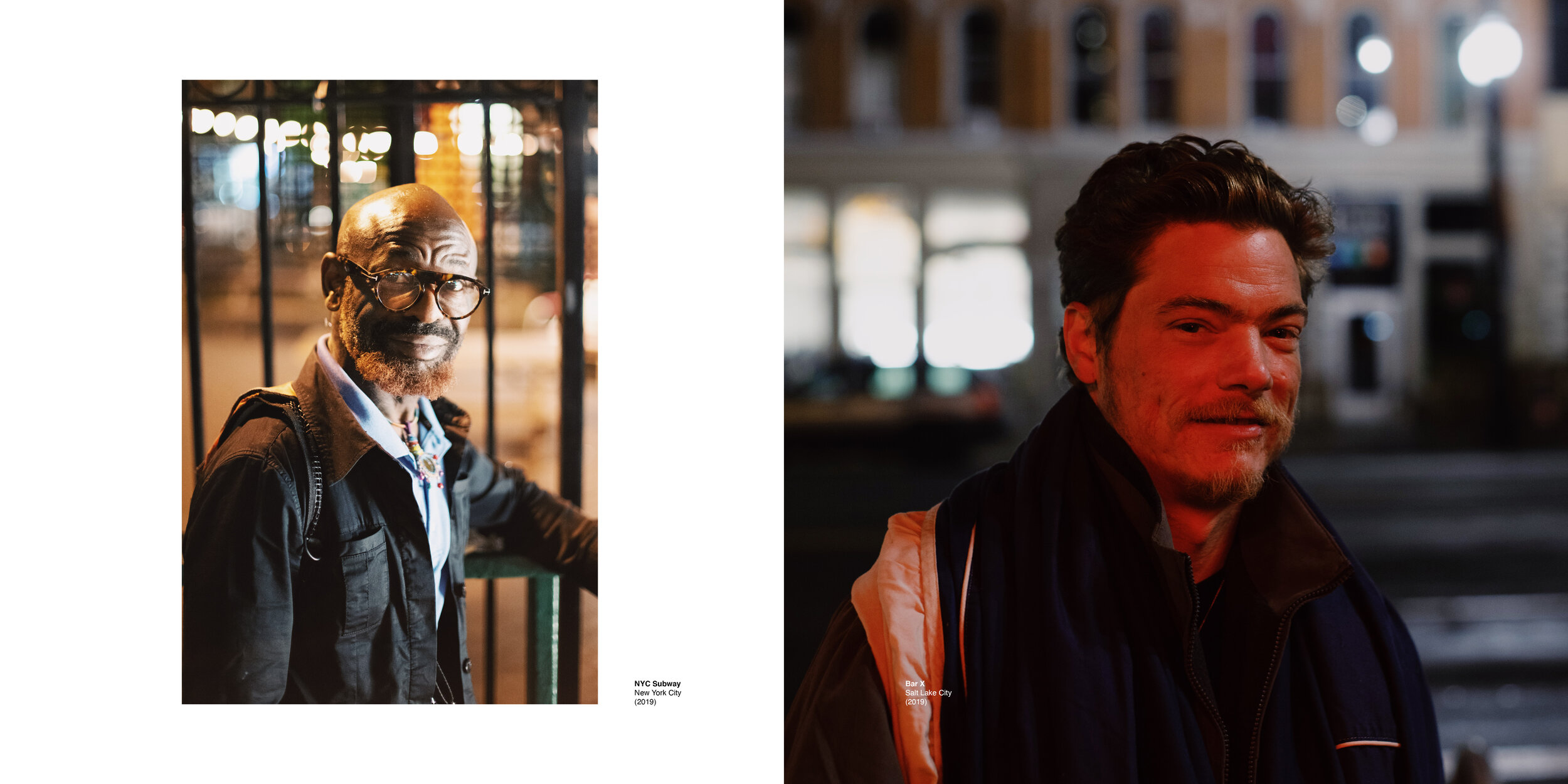
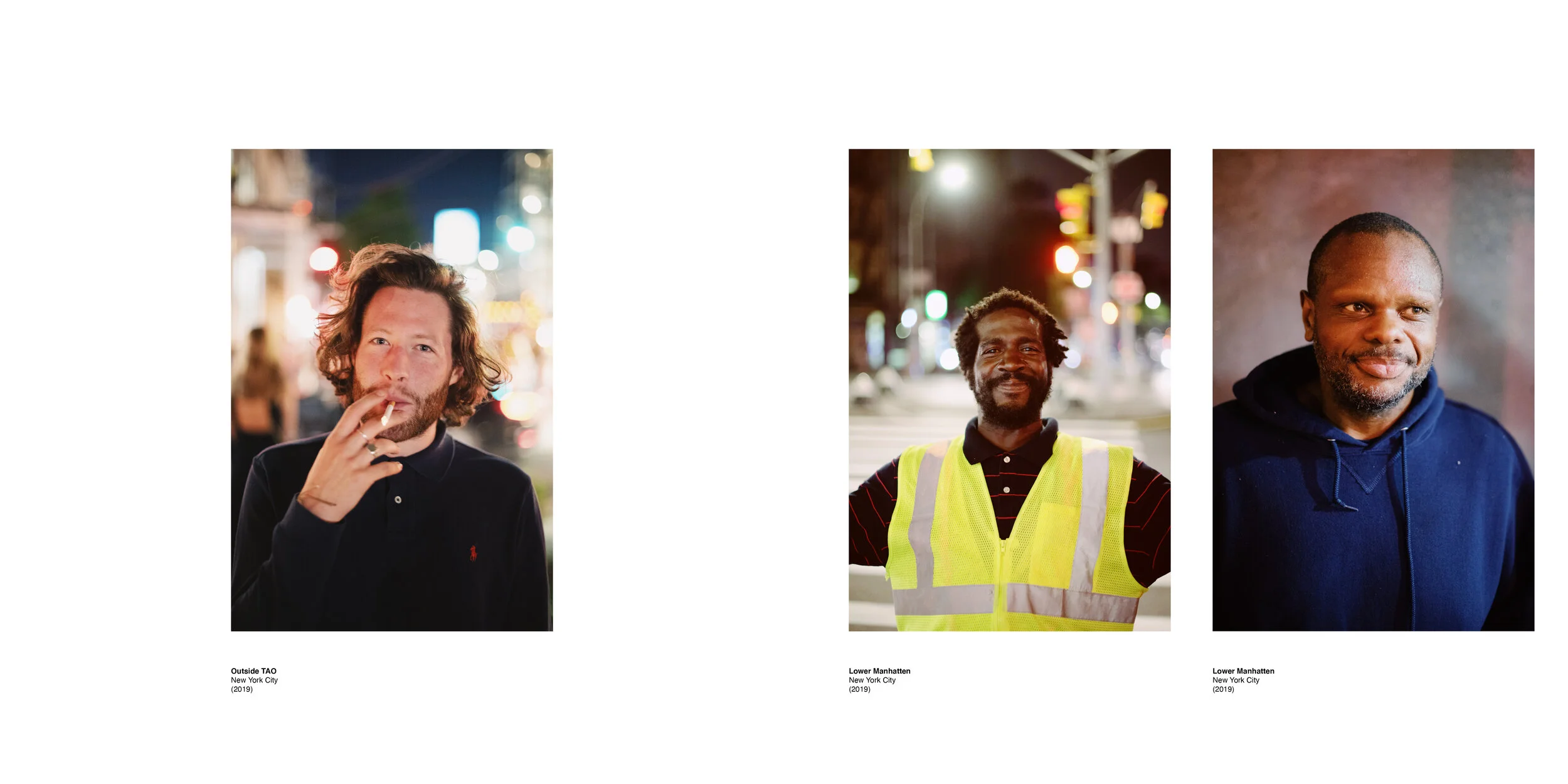
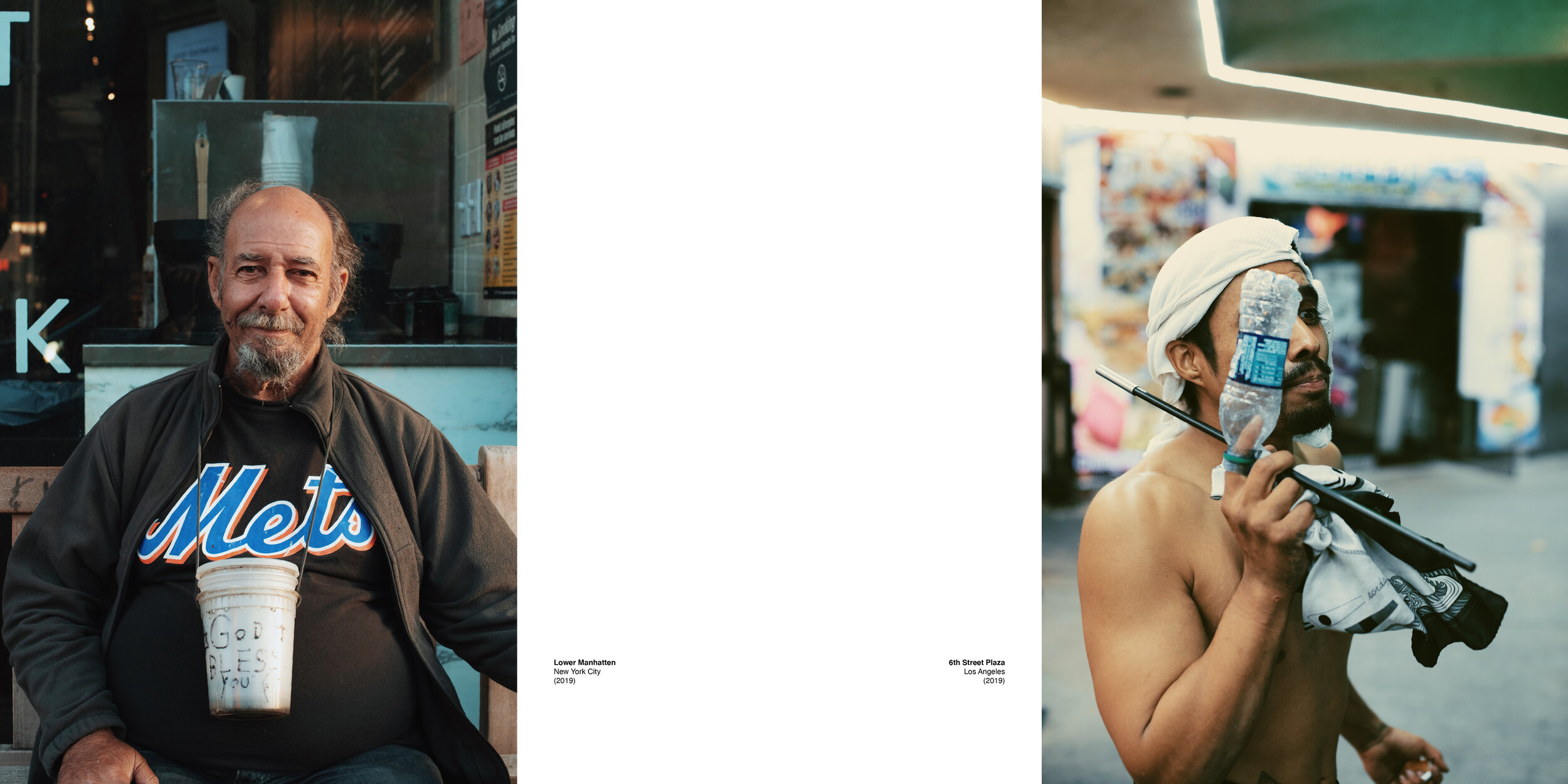
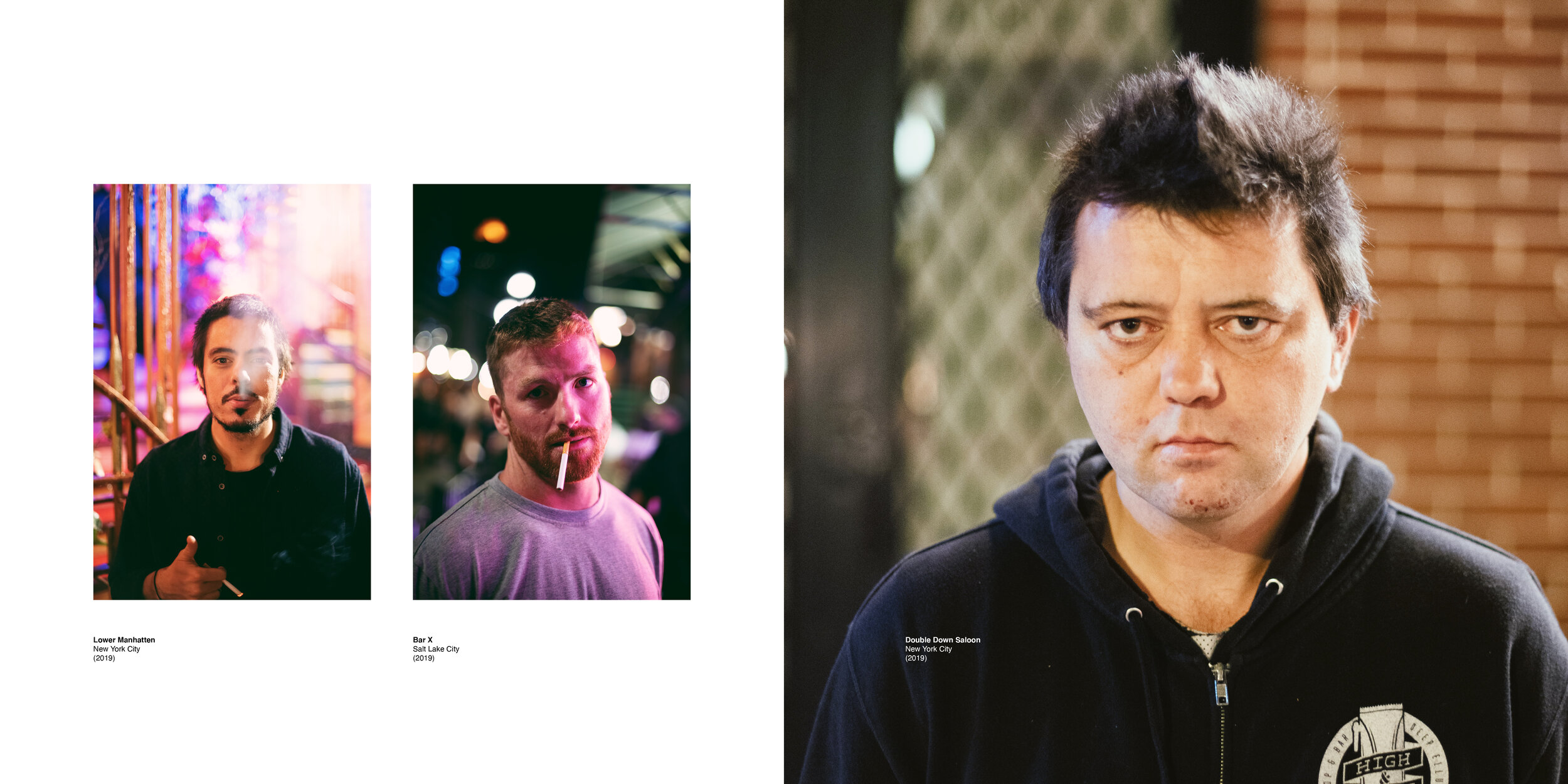
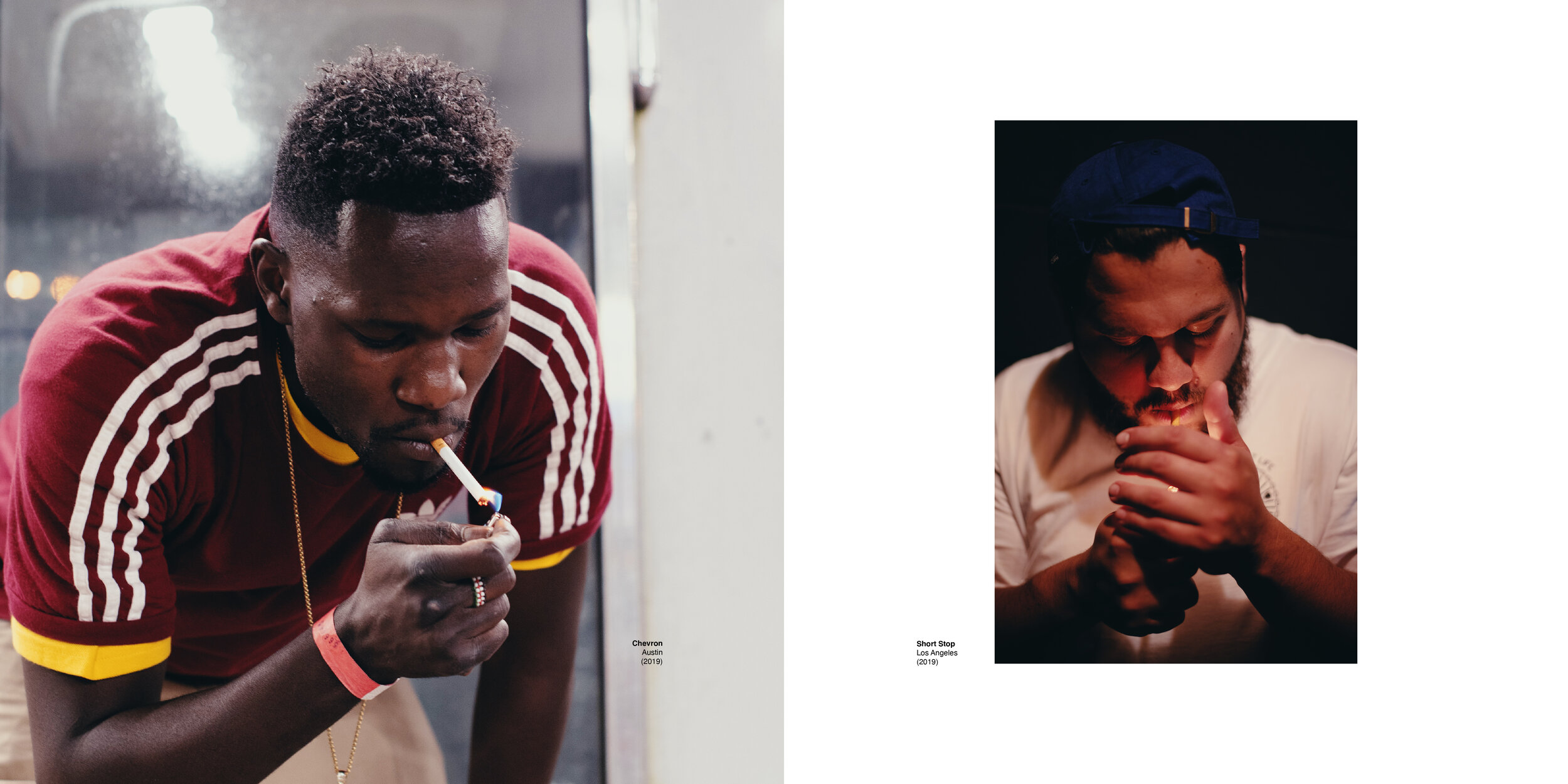
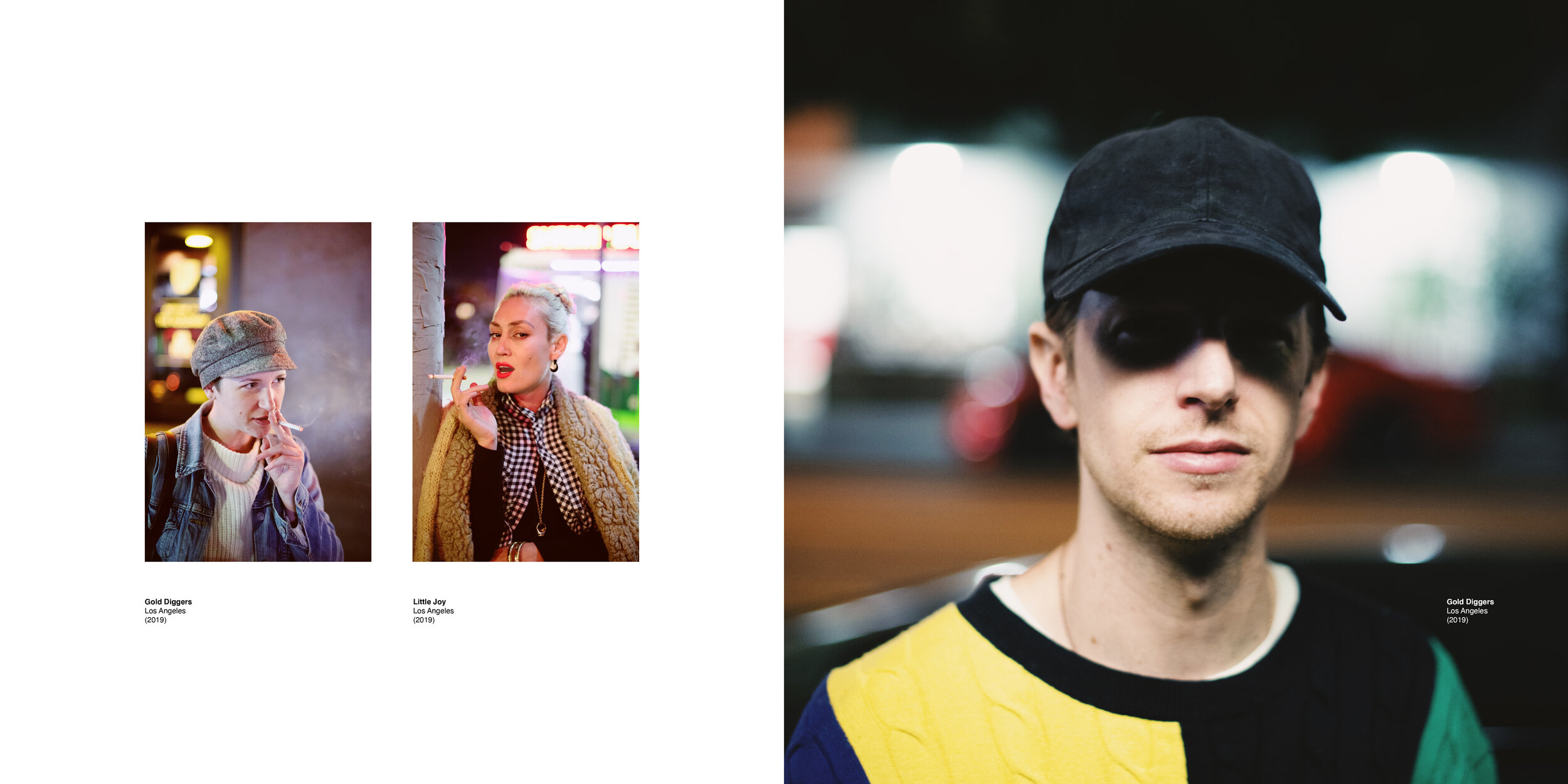
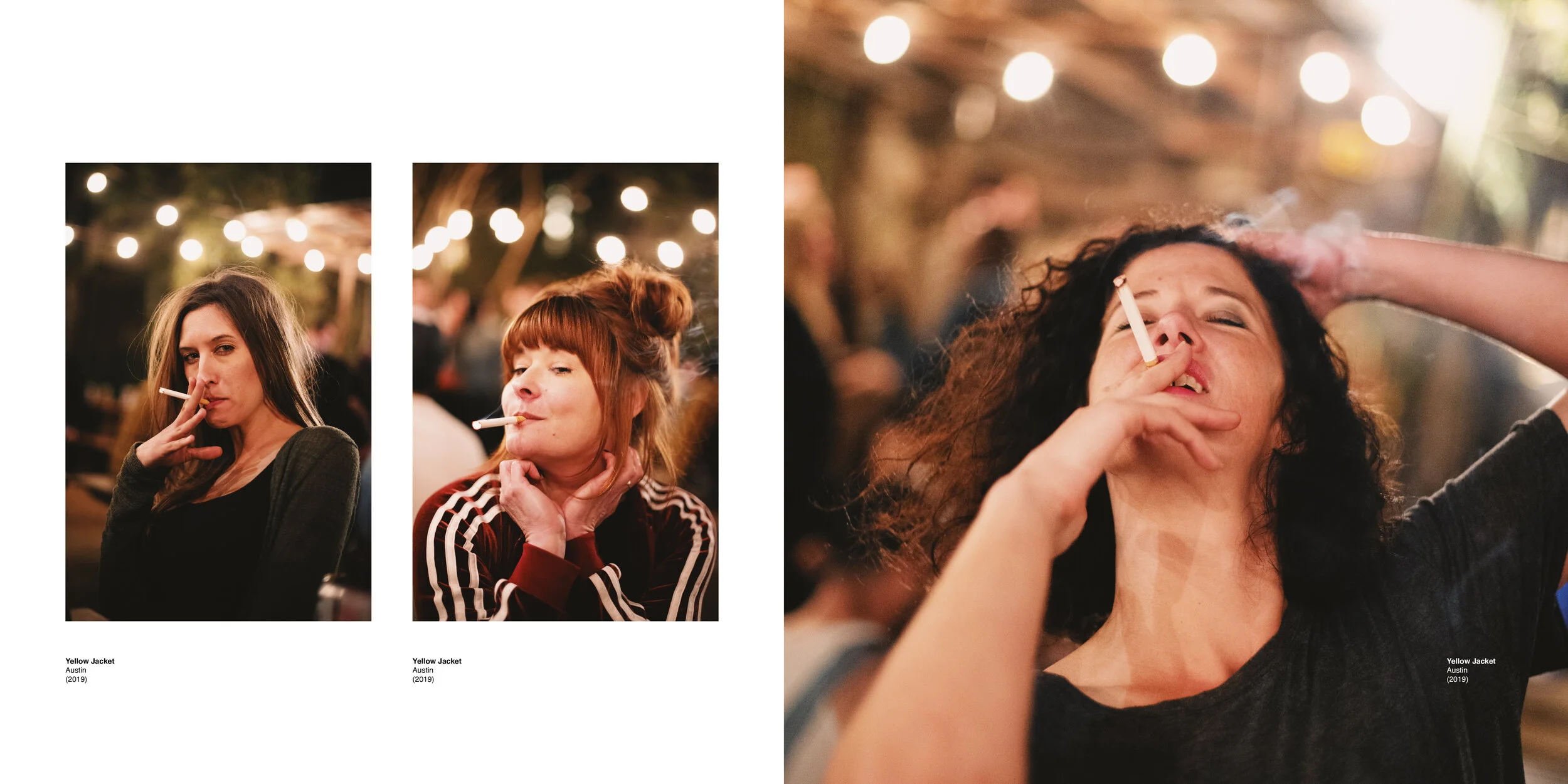
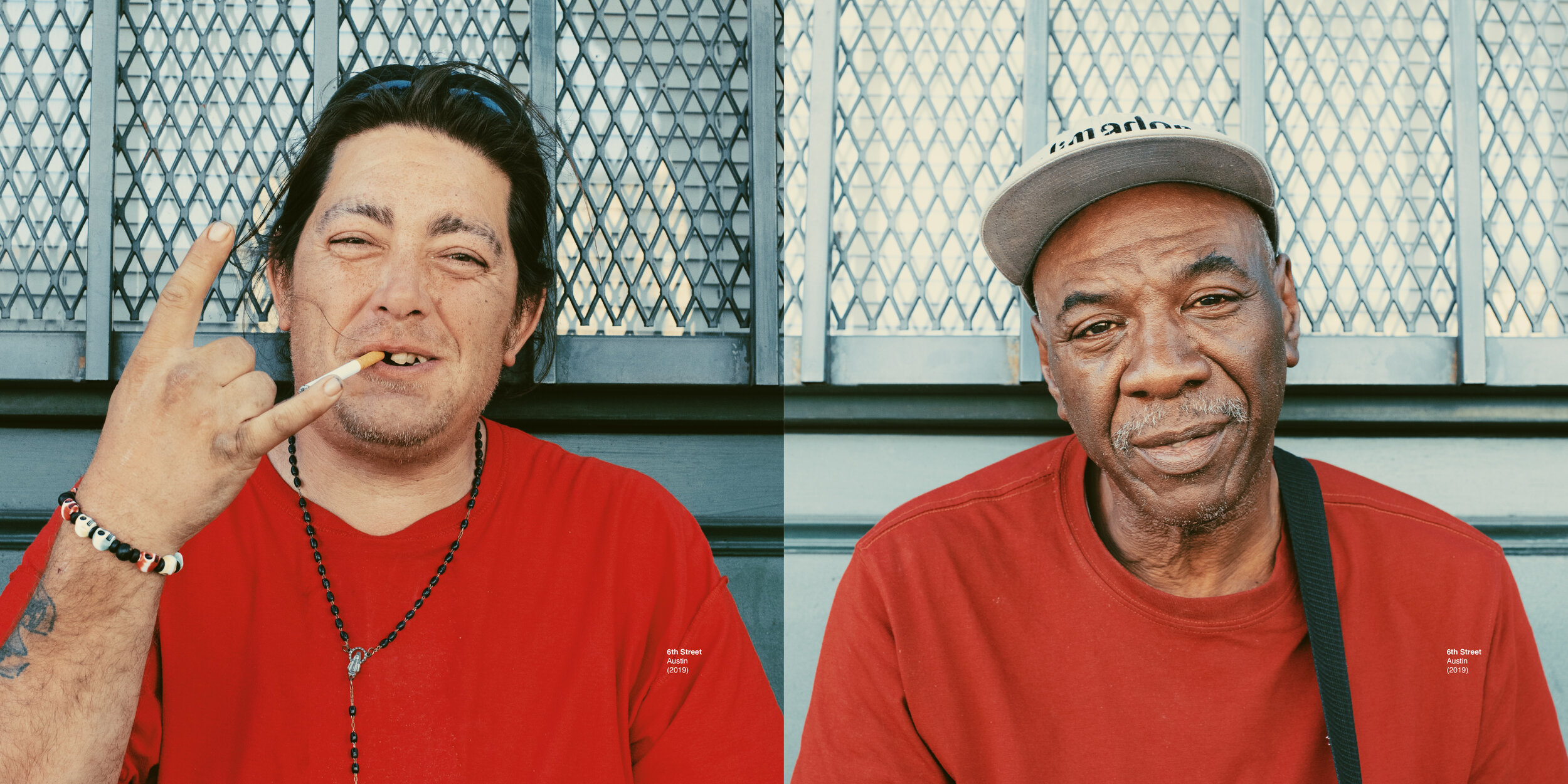
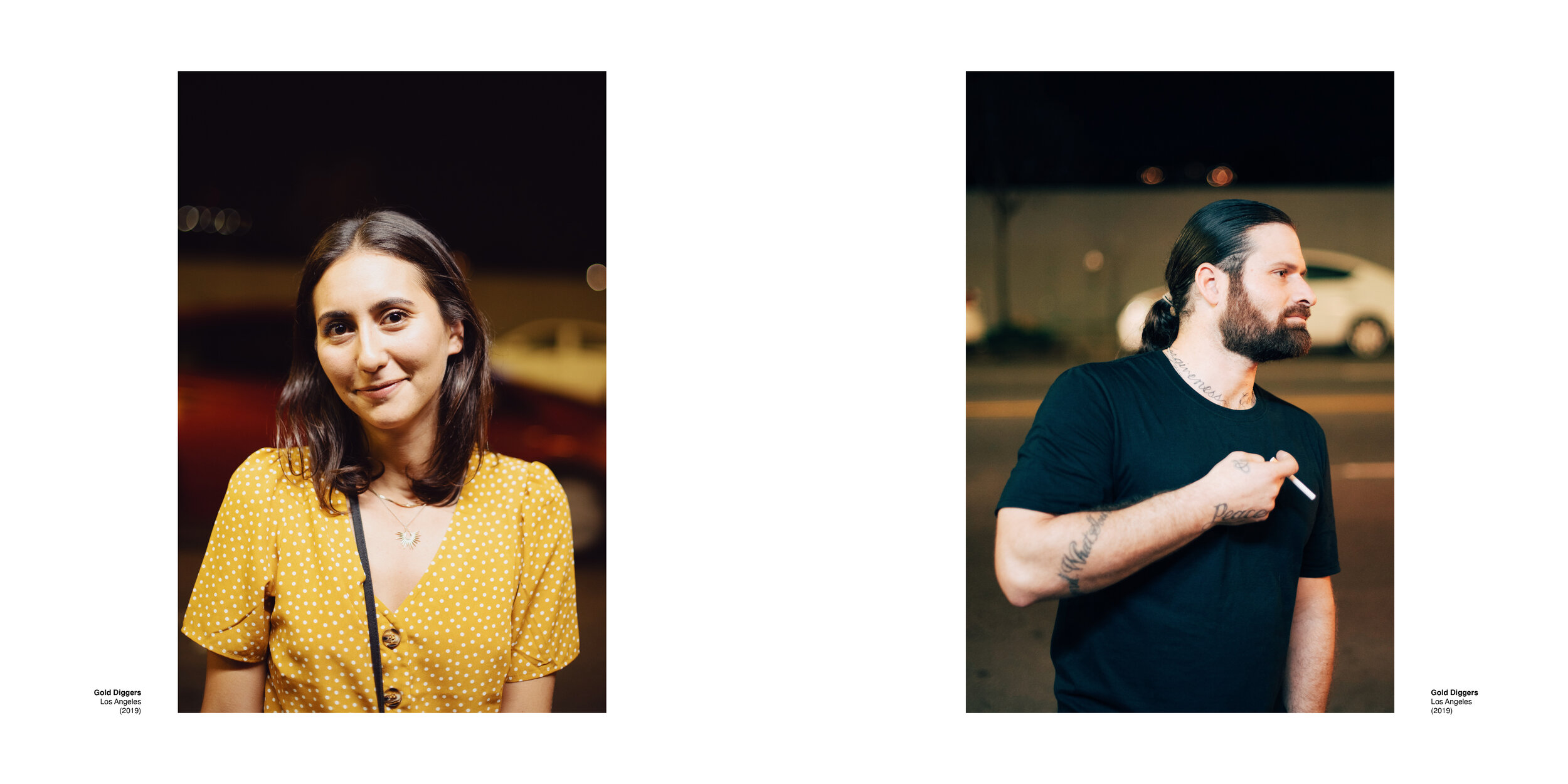
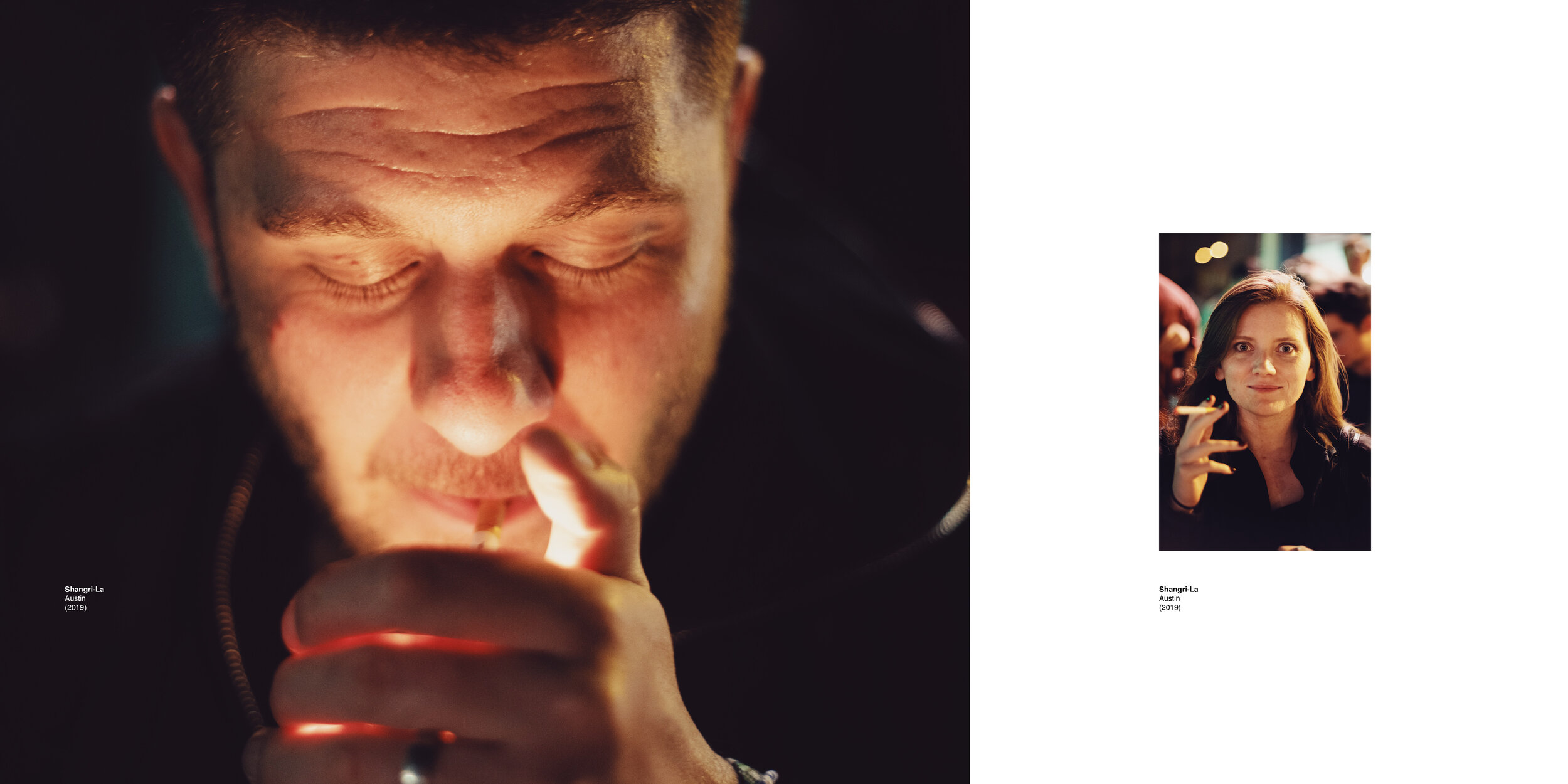
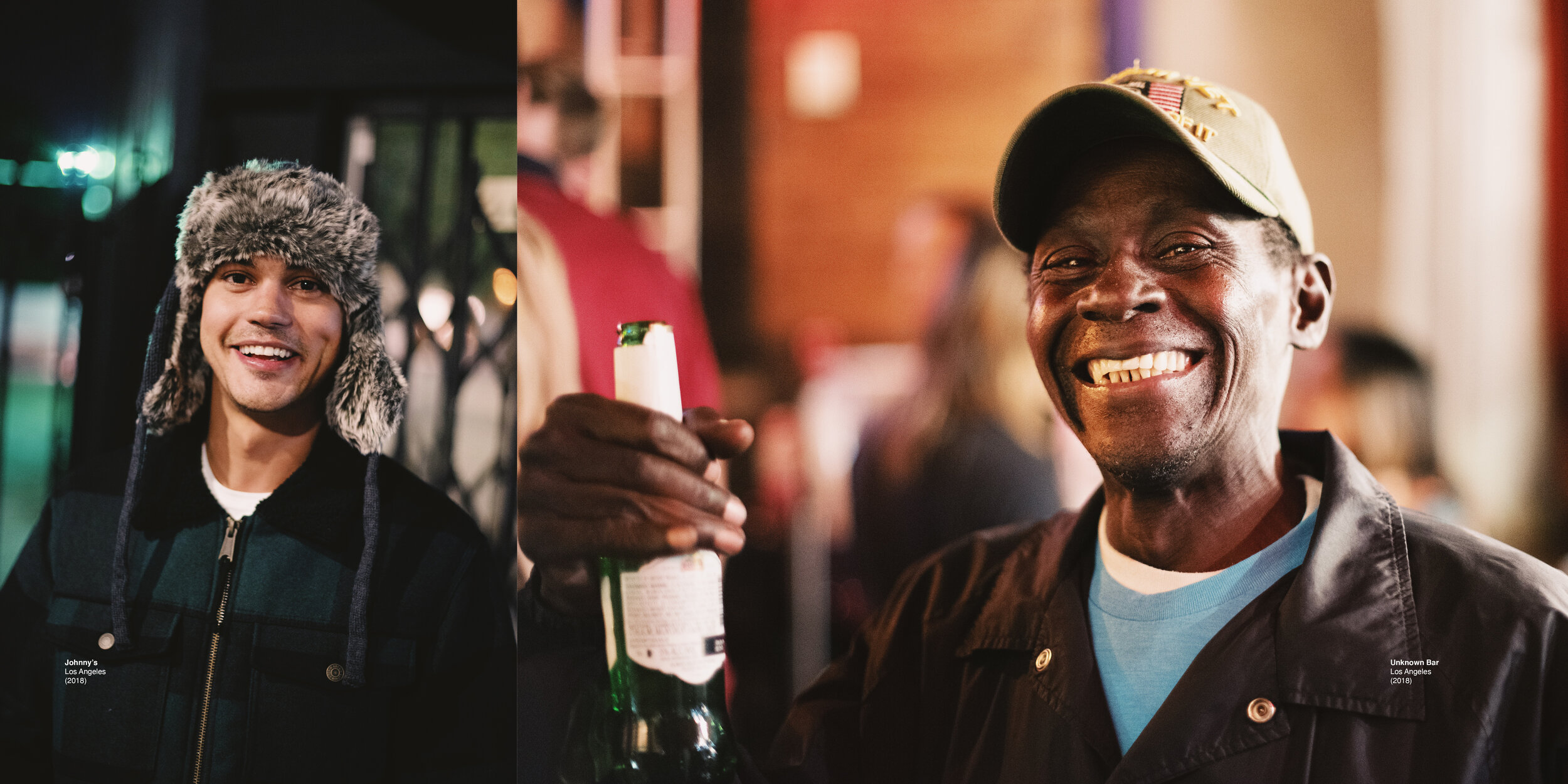
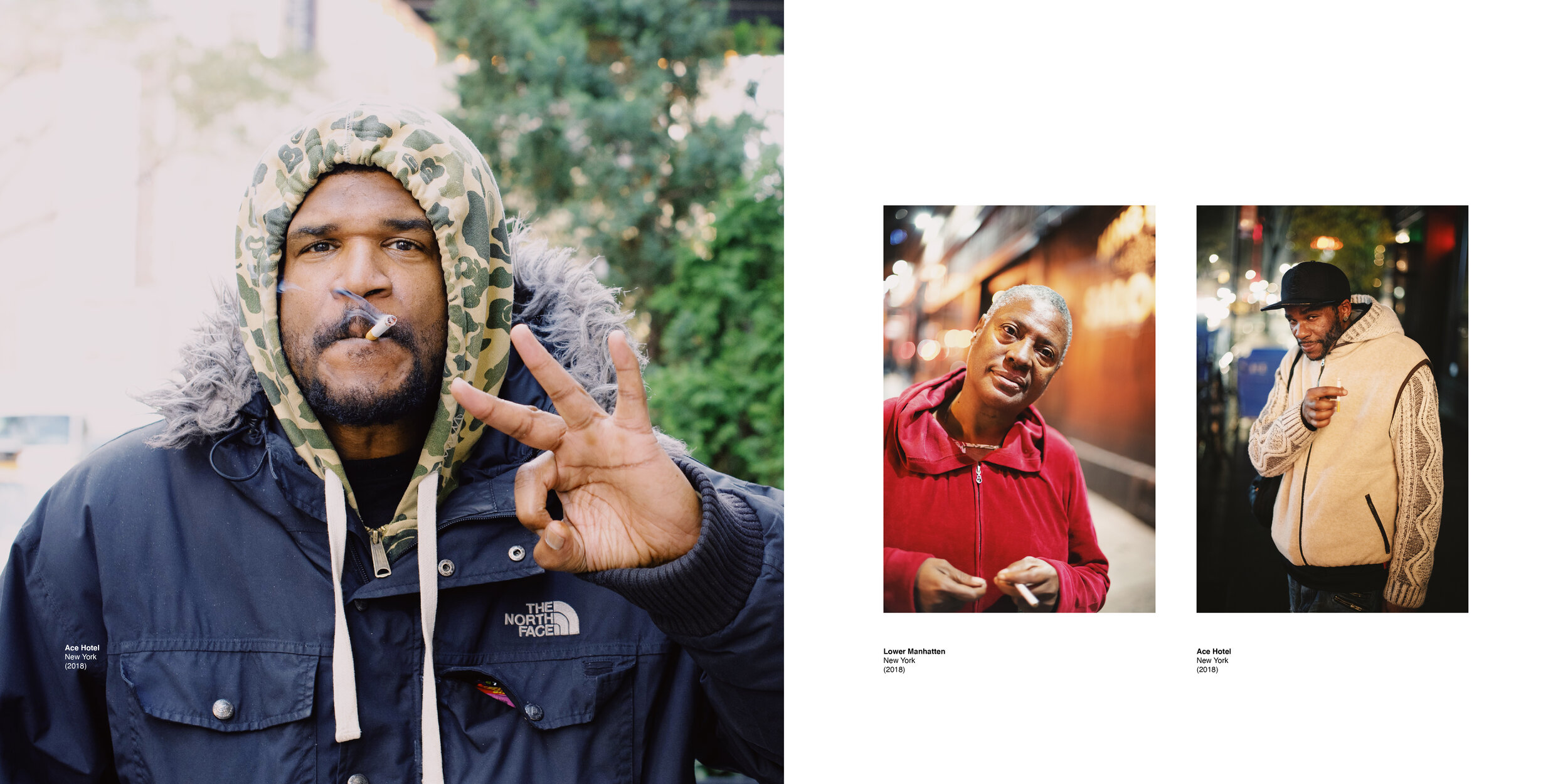
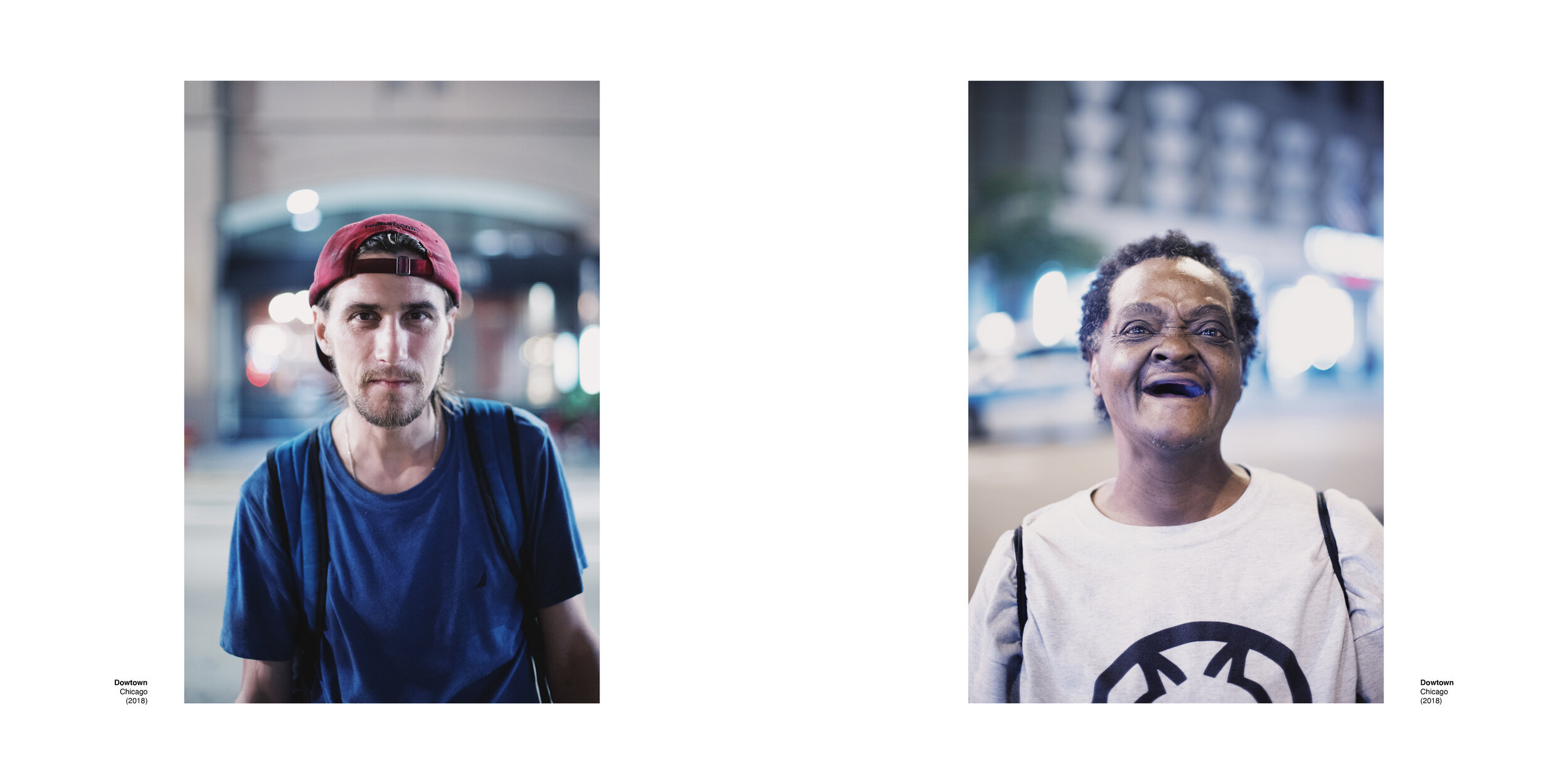
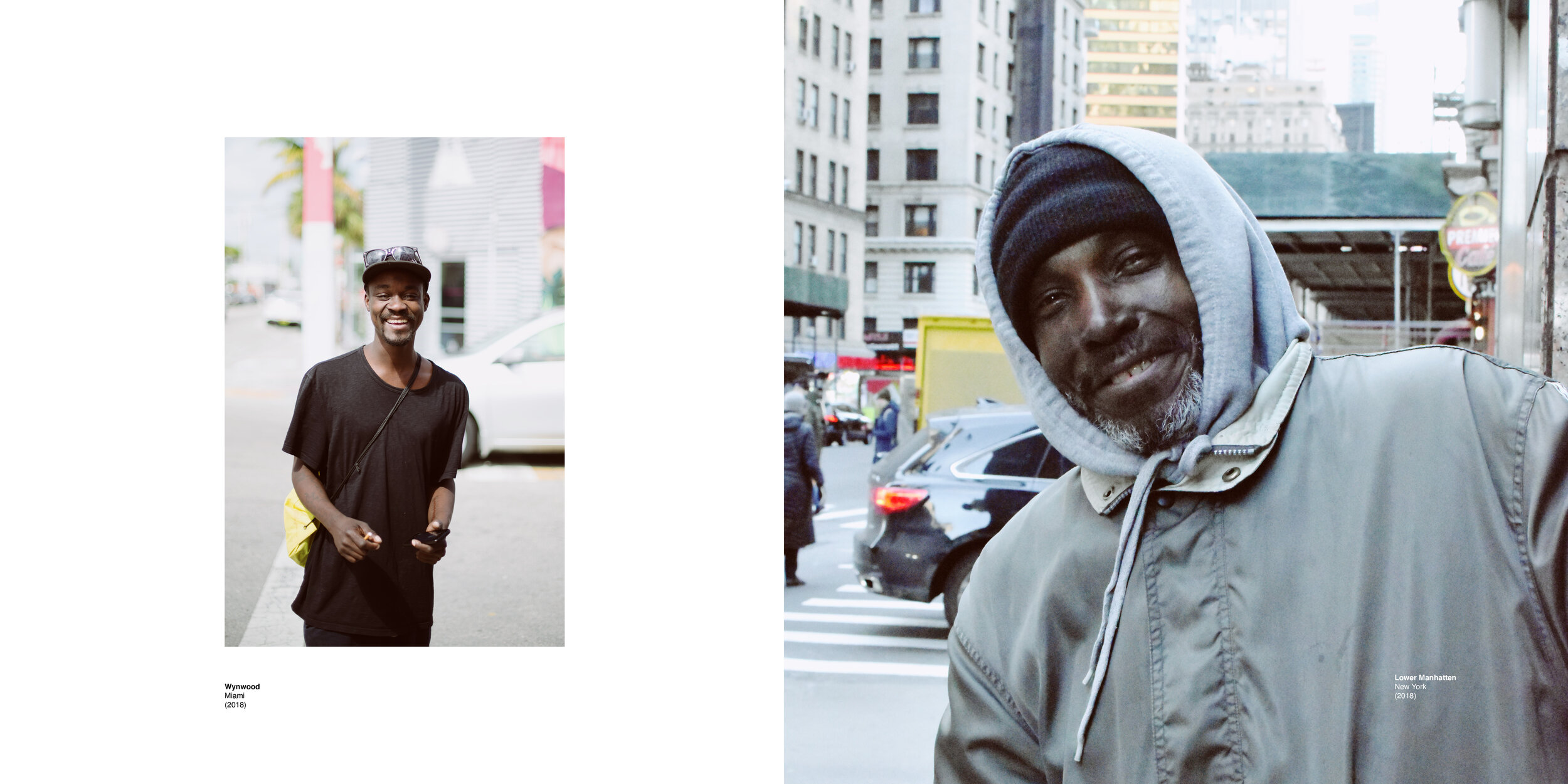
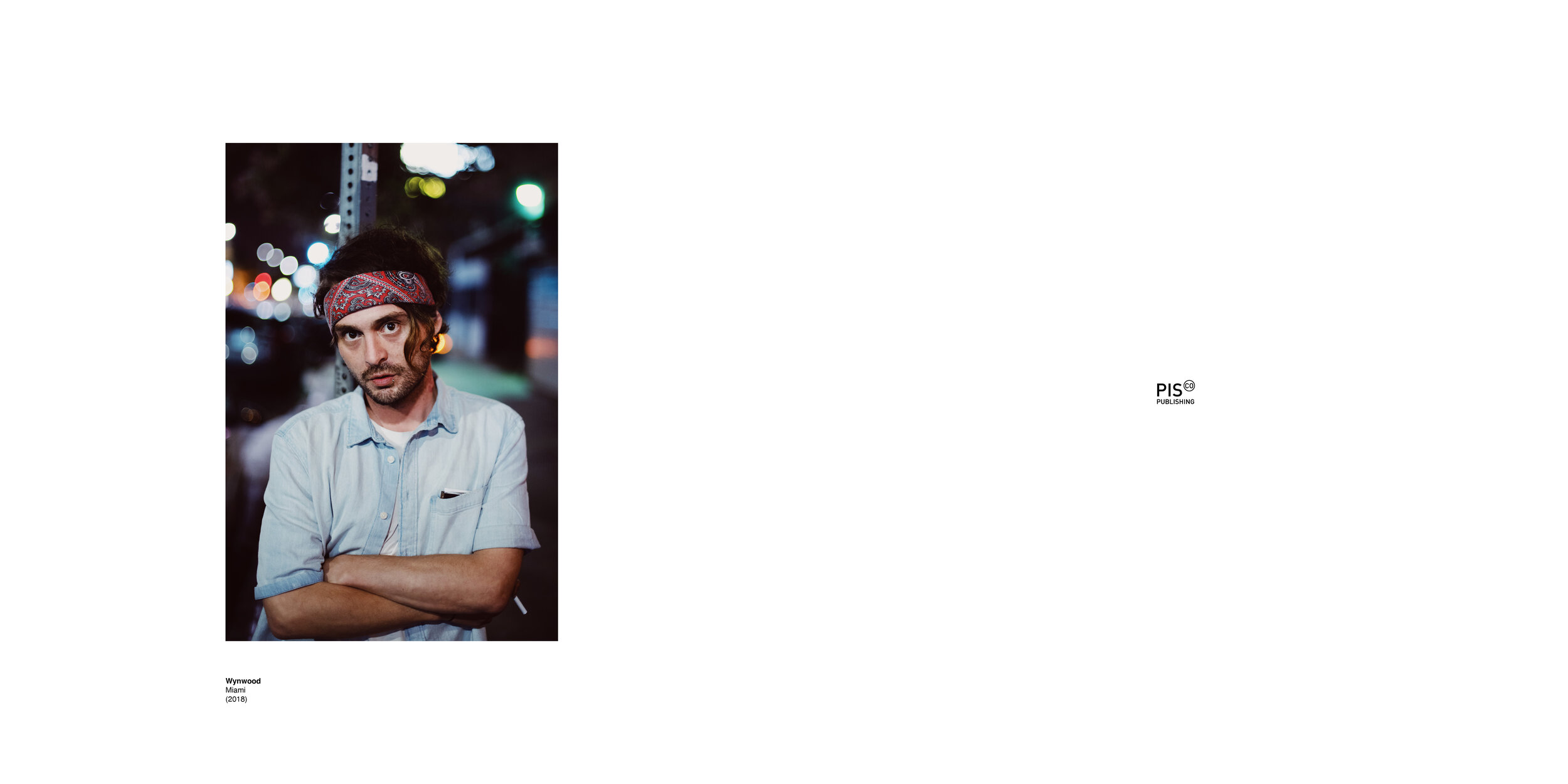
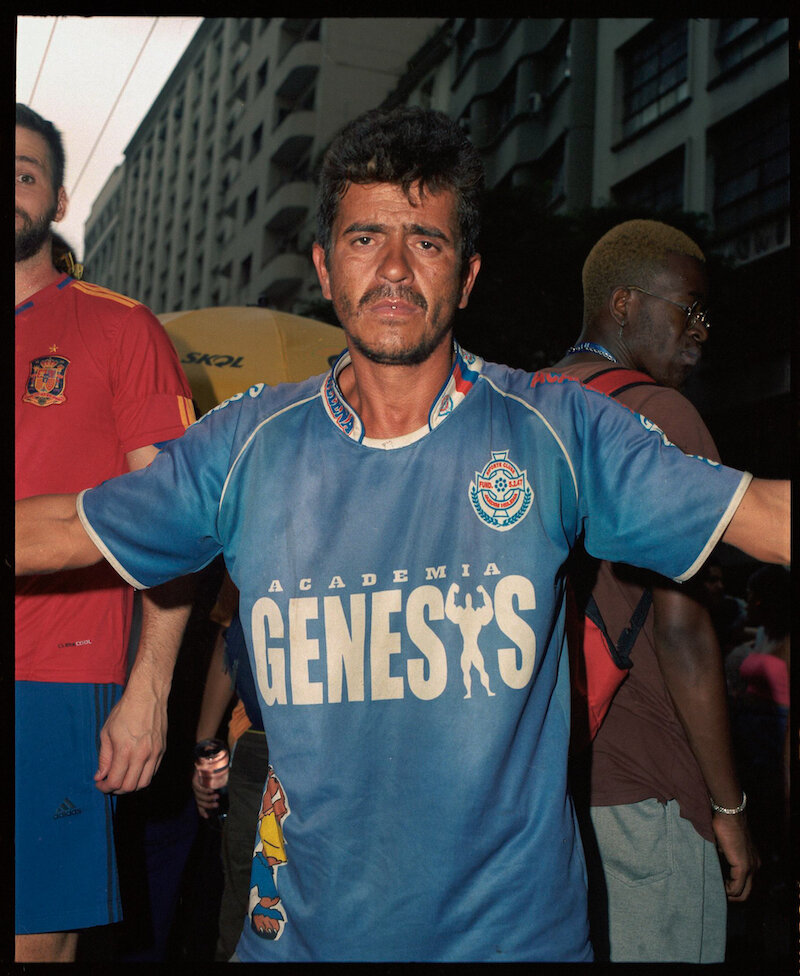
Nils Davey - Pay With Cigarettes

‘Life moves pretty fast. If you don’t stop and look around once in a while, you could miss it.’

Ferris Bueller

Not bad words to live by from the sausage king of Chicago. It’s hard to keep this mantra in mind in today’s world but when I walk the streets of Anytown, USA invariably someone will try and bum a smoke from me. Camera at the ready I state ‘Of course you can have one, but i’ll need to take your photo’. I stop and look around. These photos are the result.

NIEL ON IG
nilsdavey.com

Norberto Fernández Soriano- Hythloday

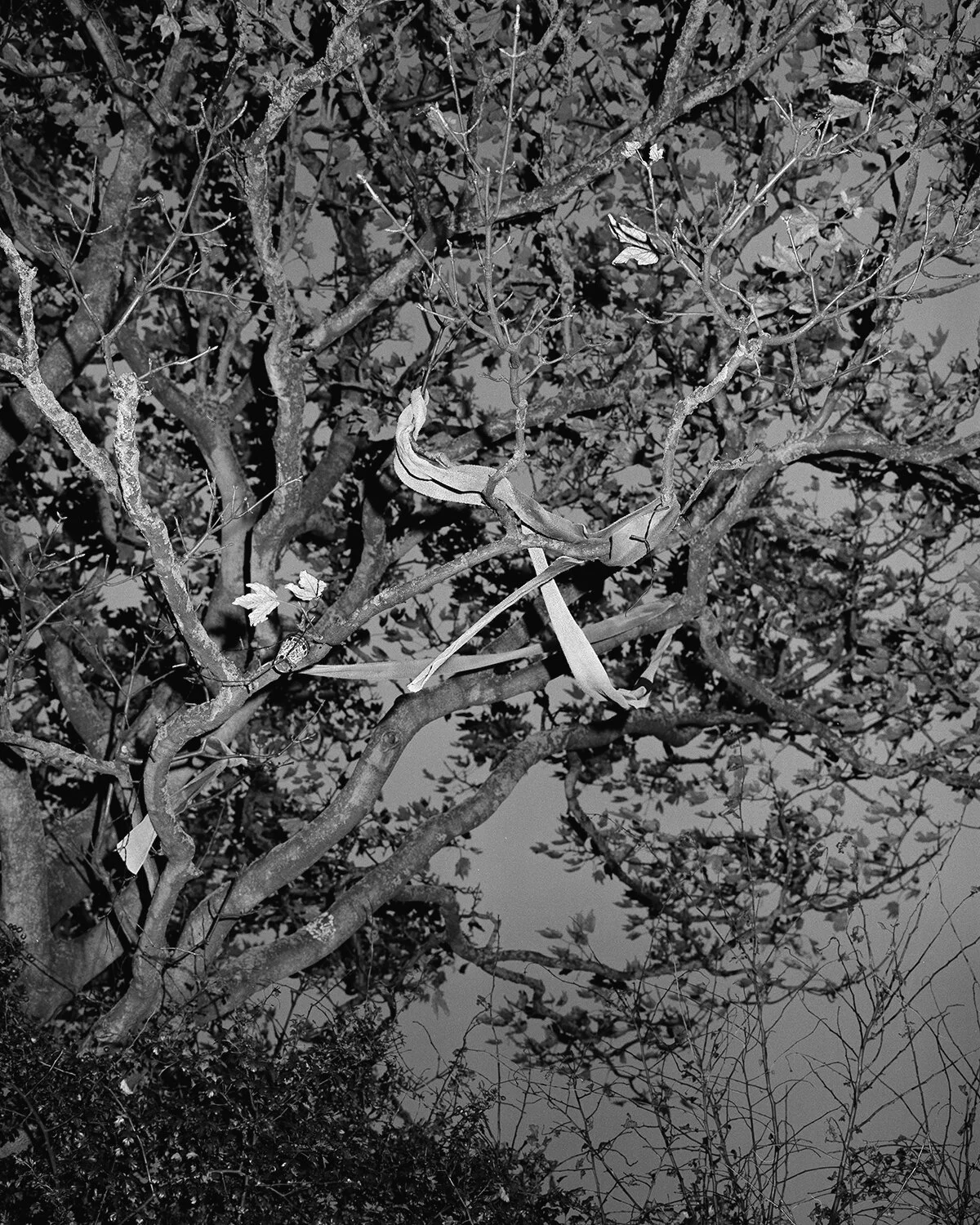
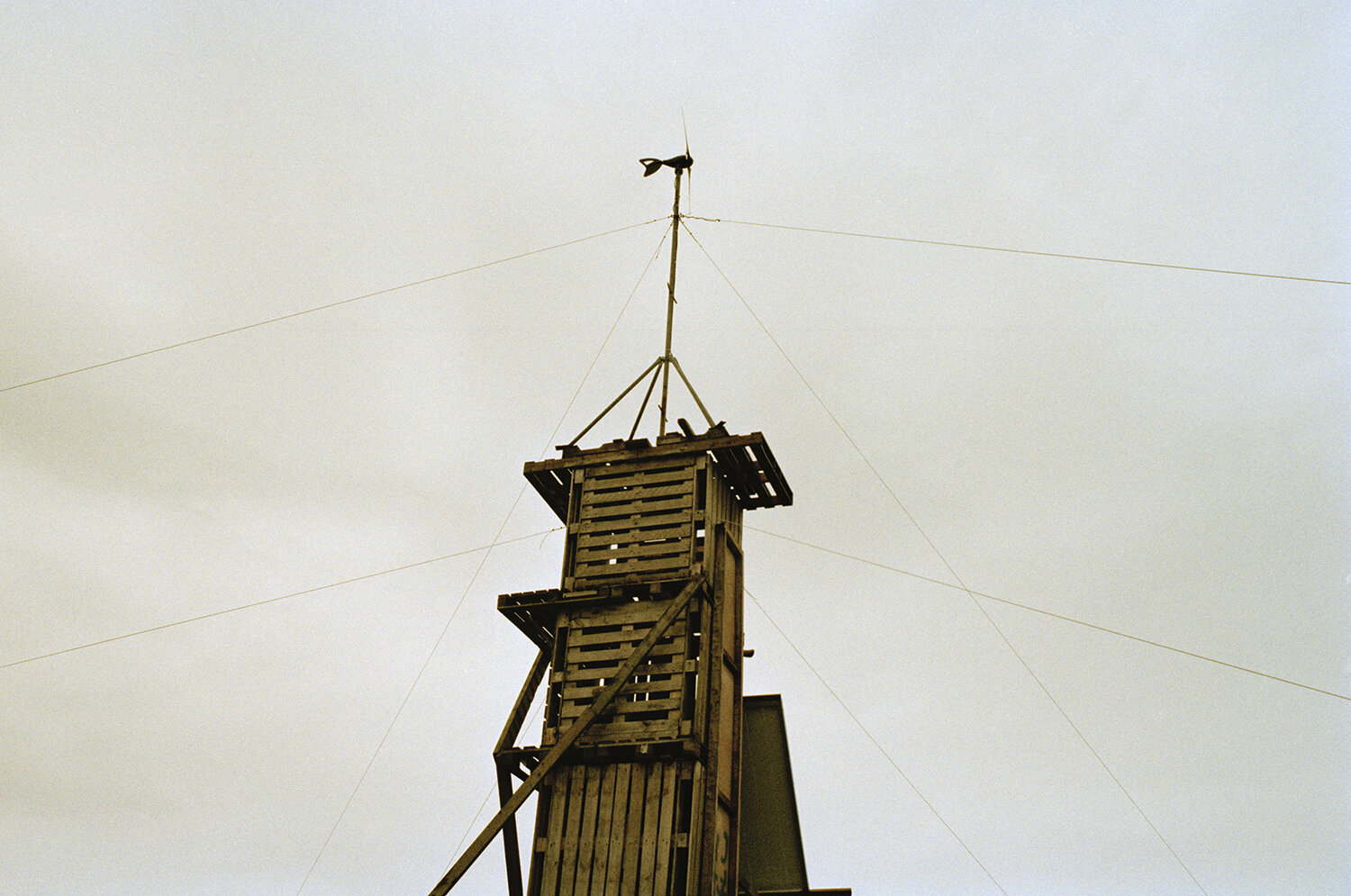
Hythloday is a body of work that draws from a community’s fight against fracking, and seeks to present their experiences and beliefs through a visual interpretation of what is positioned between fact and fiction. In the United Kingdom, the trial site for hydraulic fracture (shale gas fracking)–and its potential for national rollout and future commercial exploitation–is located in the countryside between the cities of Preston and Blackpool. A mile down the road from this site, a group of activists known to the local community as ‘The Protectors’, set up camp where they live and fight against this fracking trial.

In what might be described as a “photographic novella”, Hythloday transforms this physical place into an imagined post-fracking scenario, in which the activities, causes, fears, effects and thoughts constitute a potential future landscape. The project draws its title from a character’s name in Thomas More’s Utopia, and is used as a means to explore and understand the place itself, as well as ‘The Protectors’ fight. Hythloday combines the characters and elements on the ground with the suspended mood of an on-going protest to create a journey through an unknown and strange place; ultimately, revealing the tension between the subjects portrayed and the land they inhabit. 

 Continue below for the interview between Norberto Fernández Soriano and Alexa Fahlman 


norbertofernandez1.jpg
norbertofernandez2.jpg
norbertofernandez3.jpg

What inspired you to document this particular community's fight against fracking?

Initially I was interested in how this activity would modify the landscape and thus, the ways of living. I was also curious about showing the effects on the strained relationship between human and nature, especially in the rural areas where fracking is being tested. Since the effects manifest in the long term and can't be observed on the surface, I decided to explore the community’s fight against fracking, documenting their beliefs, fears and experiences.  

norbertofernandez4.jpg
norbertofernandez5.jpg
norbertofernandez6.jpg

 Is this still an on-going fight? 

The fight is still on-going, as the fracking is still on-going. 

One of the most direct pieces of evidence that reveal the effects of this practice are the tremors which are felt in the surrounding areas. The monitoring system that should guarantee the so-called “safe” levels of fracking show that these have been surpassed on several occasions. Despite the different maneuvers to continue fracking, last December, all activity was finally halted on the site where the project Hythloday had been developed. Nevertheless the records confirm a real risk– trial sites for fracking keep on spreading across the country.  

norbertofernandez7.jpg
norbertofernandez8.jpg
norbertofernandez9.jpg

Is The Protectors' protest entirely for environmental reasons, or were the reasons also more varied, scattered, even?

The Protectors, as a group, is a cluster of environmental activists and people from local communities. The background of this group is very heterogenic, but fracking is what made them come together. Some of them are activists who have been involved in environmental issues their whole lives; some have long given up on today’s society; many were locals, directly affected by this activity; while others, disappointed with the reality they have had to face within their jobs, have decided to put their efforts into something more meaningful. Most of the local community would have never thought of themselves as protesters or environmental activists, they were leading a tranquil life in an environment free of threats to their lifestyle. When the fracking rumours started, people did a little bit of research and they soon realised that this was something they didn’t want happening near to their homes. 

I think it is the communal sense of fight and resistance which ties them all together.

norbertofernandez10.jpg
norbertofernandez11.jpg
norbertofernandez12.jpg

How do you think a liminal community be represented without falling into aesthetic cliches?

The creative process behind Hythloday focuses on the representation of this community through their beliefs rather than their real dimension. In the series, the scenario built up, lacking evidence of location or time. I took advantage of this, and used it as a medium to explore the community’s various state of mind, which is what I felt defined them as “subject matter”. To explore this new landscape, I focused on the seaman character from Thomas More’s Utopia, Raphael Hythloday. Utopia was a fictional story which portrayed the flaws of More’s governmental system through the depiction of an ideal organization located on a non-existent island. For my project, Raphael Hythloday became an inspiration to explore constructed landscapes, where fiction represents a possible future and thus, poses as a challenge to the so-called image of resistant communities.

norbertofernandez13.jpg
norbertofernandez14.jpg
norbertofernandez15.jpg

Why do you think creative approaches are so effective when confronting serious subject matters- whether they be cultural or political?

A creative process allows both artists and observers to tackle projects from a conceptual point of view. This adds new layers of information and constructs a space for a broader sense of reflection. For instance, Hythloday stems from the fight of this community but raises other threads of concern, like the generation and consumption of news, truth and deception, and the privileging of certain opinions versus relating to personal experiences. 

norbertofernandez16.jpg
norbertofernandez17.jpg

Photography especially seems to evoke empathetic engagement, what do you think it is about visual references which encourage mutual understanding and empathy? It seems that people need to actually see what others are going through to feel compassion.

In my opinion, pictures that encourage empathy and mutual understanding are usually related to what we perceive as familiar or weak. By this I mean that It comes from our inner experiences, but also from the enforced narratives within history. As a photographer, being aware of this will transform your photography. By reverting images that might traditionally confirm certain subjects as victims, and picturing them in a way which is closer to what they want to achieve–rather than what our blind, assuming eye might perceive– is the first step towards visualizing different realities. 

norbertofernandez18.jpg
norbertofernandez19.jpg
norbertofernandez20.jpg

How have you conceptualized a better world? I  know there's no definitive answer for this one, but what do you think a better world might look like? How would you want society to move forward?

This project does not attempt to define in any way what a better world is. The community’s perception on fracking reveals the flaws of the system and many of the characteristics of a dystopian society. Their fight represents the resistance to the advance of environmental destruction and ways of life linked to this. My personal take on the idea of a better world shifts along as I face different situations and realities. To me, a better world should be based strongly on respect and mutual understanding. I believe that we have given up part of our freedom by neglecting certain responsibilities. A better future would mean a greater control through our actions, finding ways of depending less on systematic dynamics of power. 

Norberto on IG
Norberto's Website

Matthew Ludak - Northern Gothic

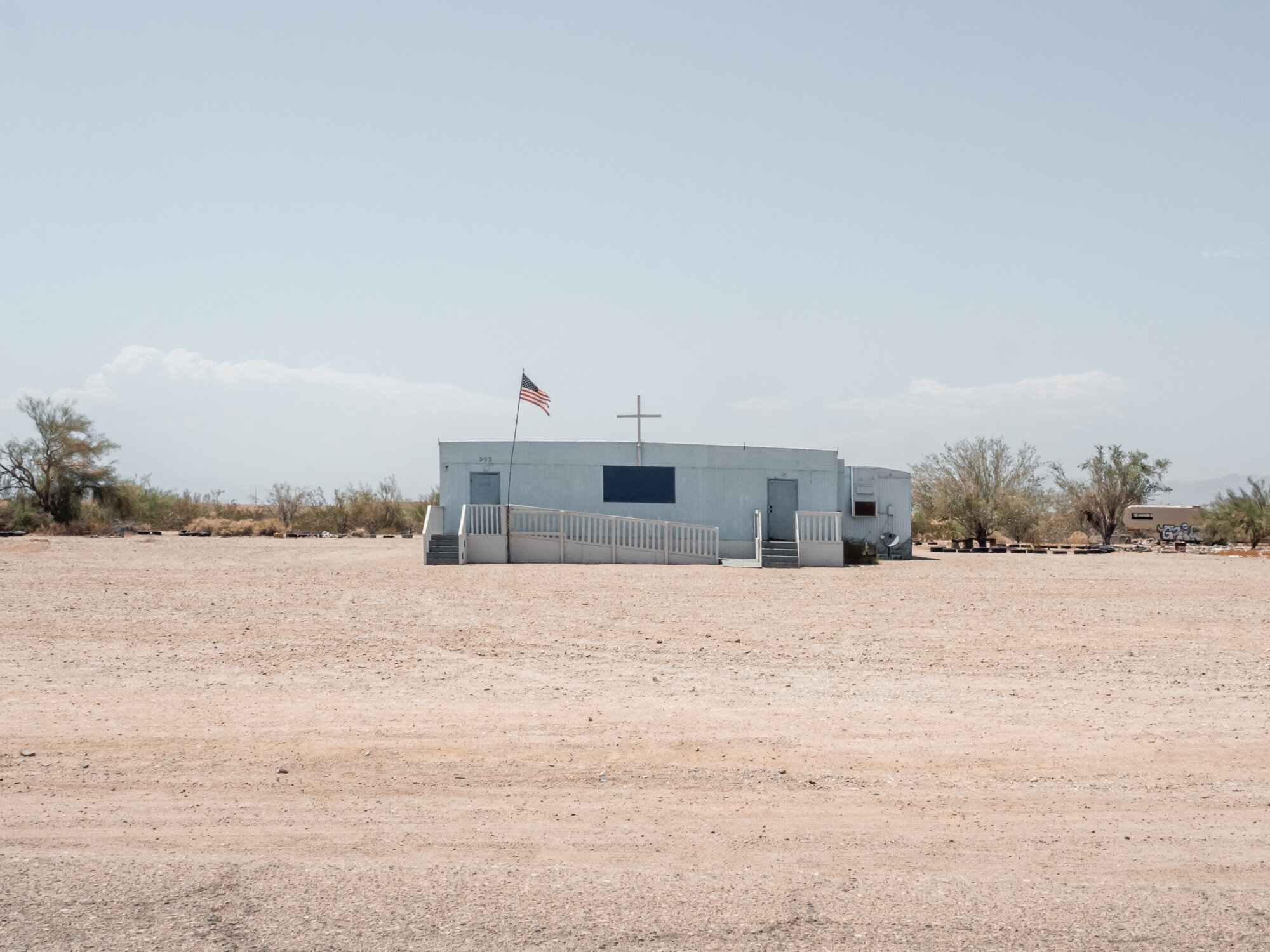
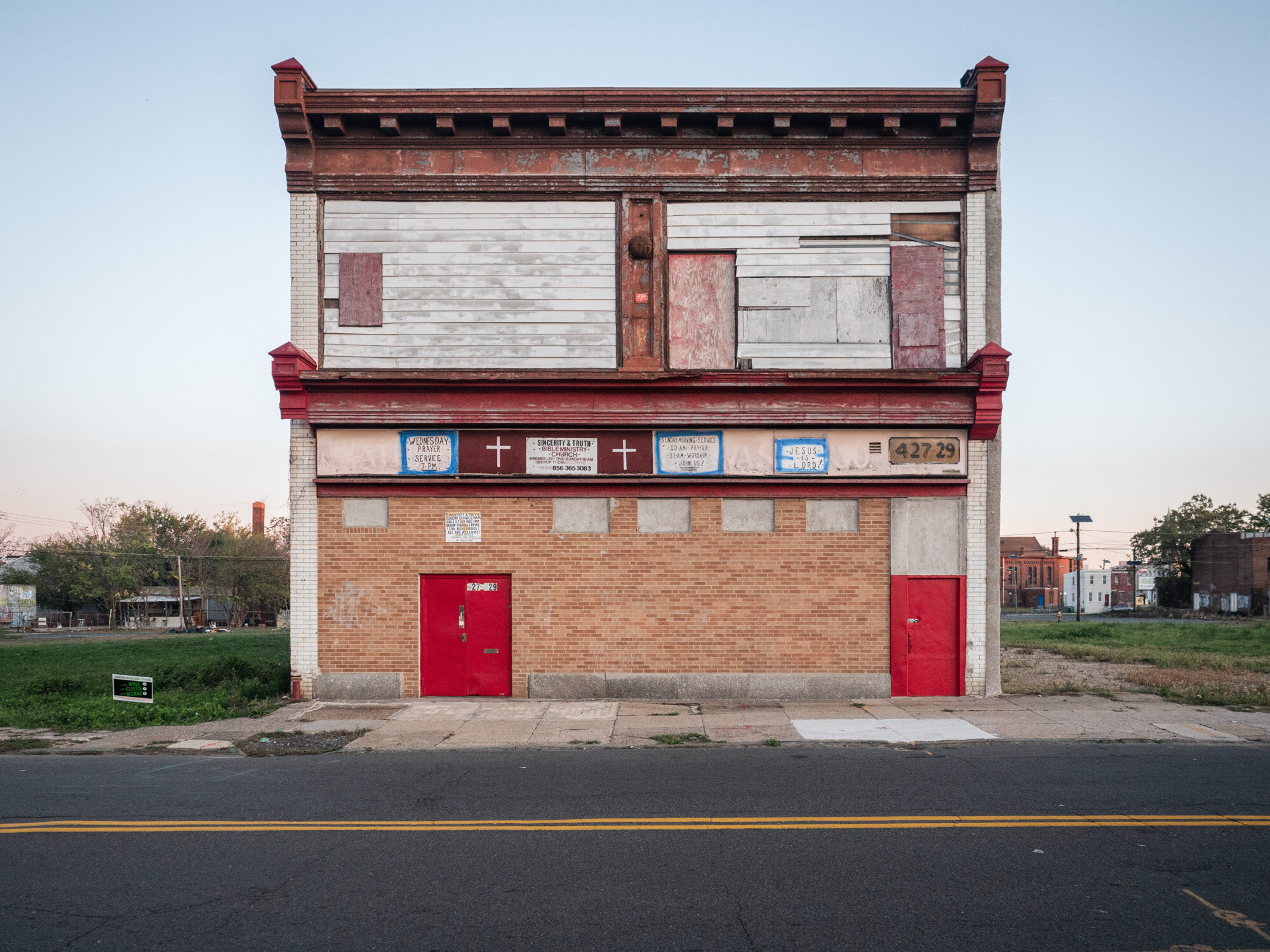
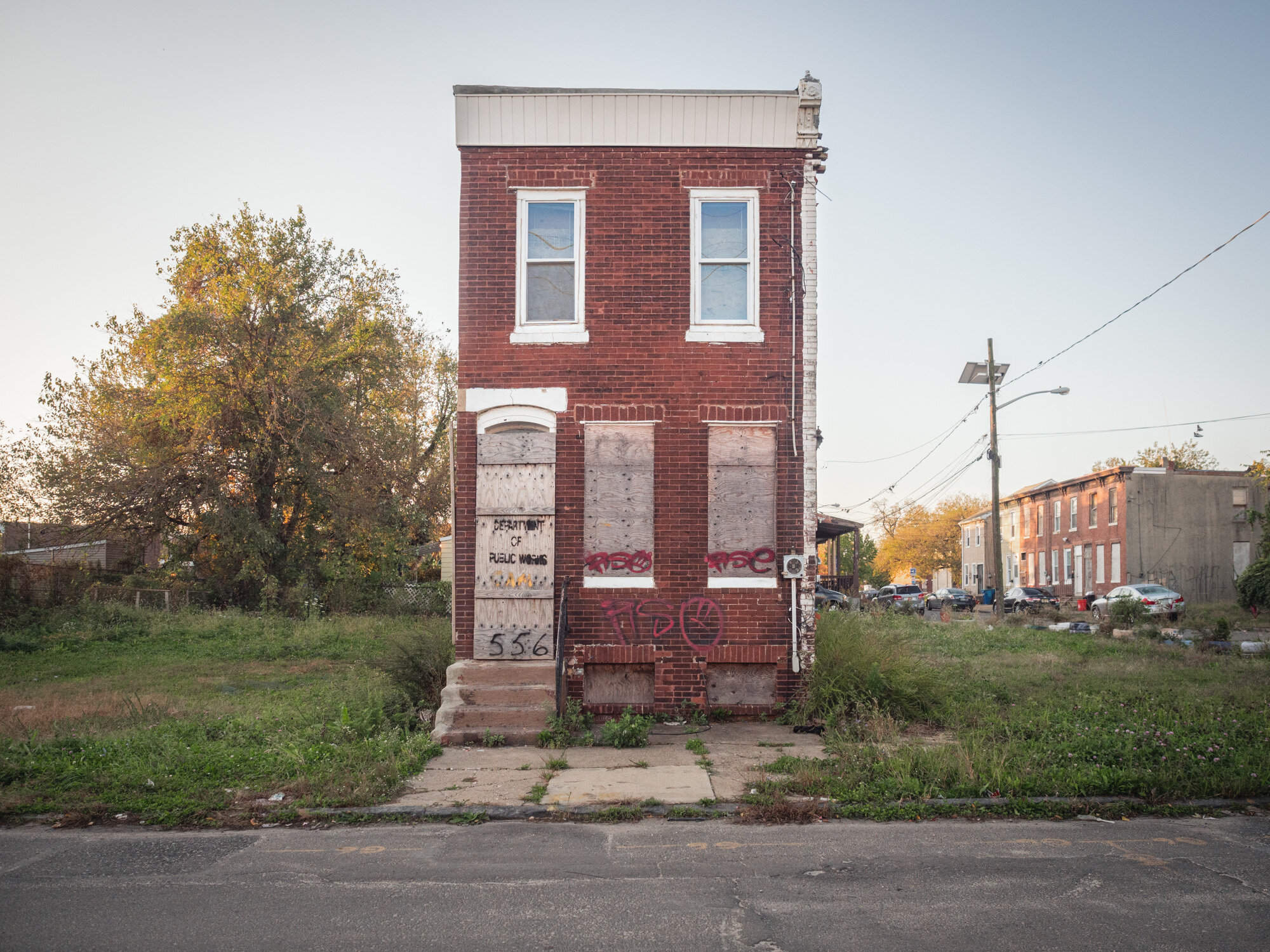
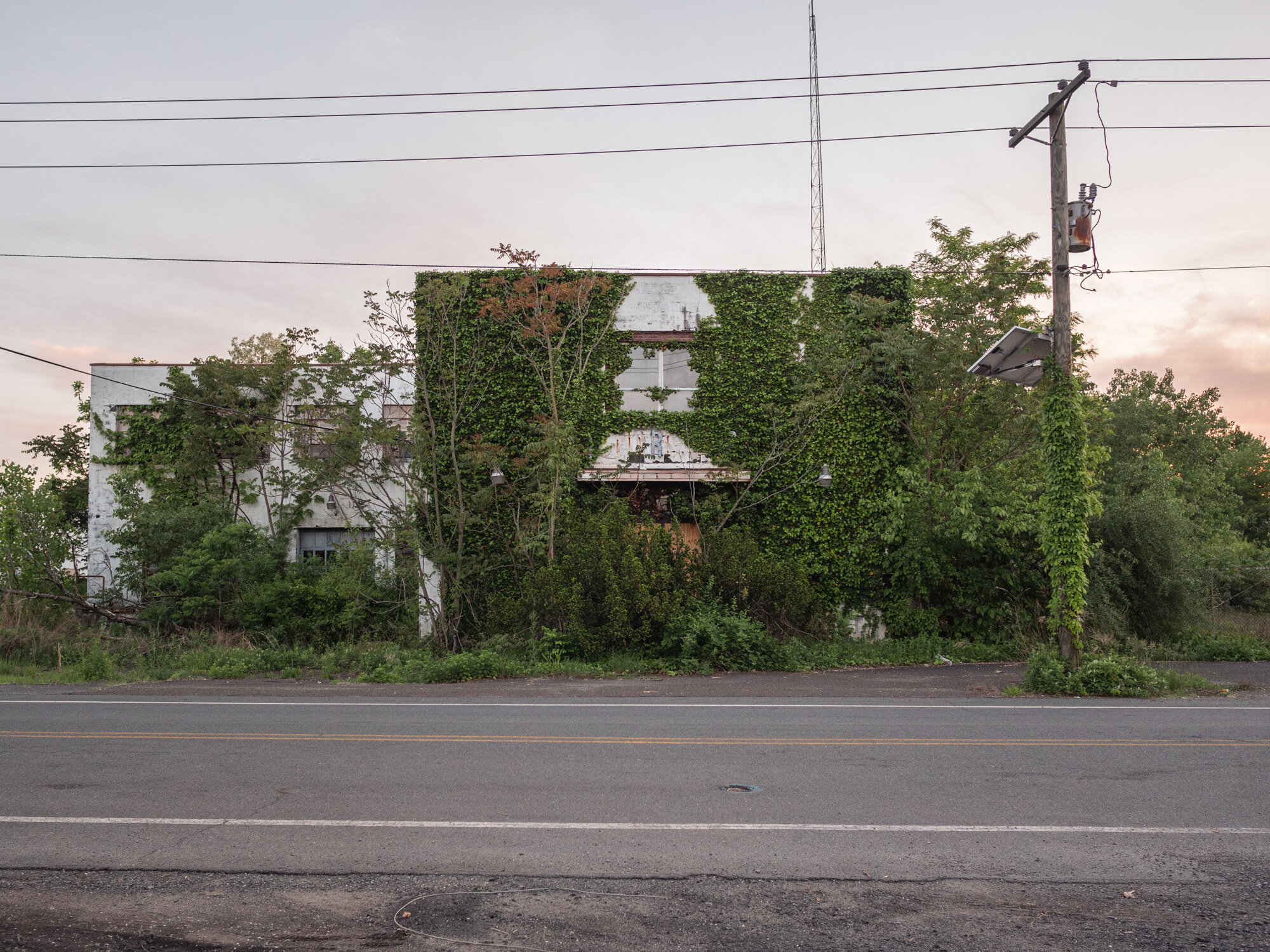
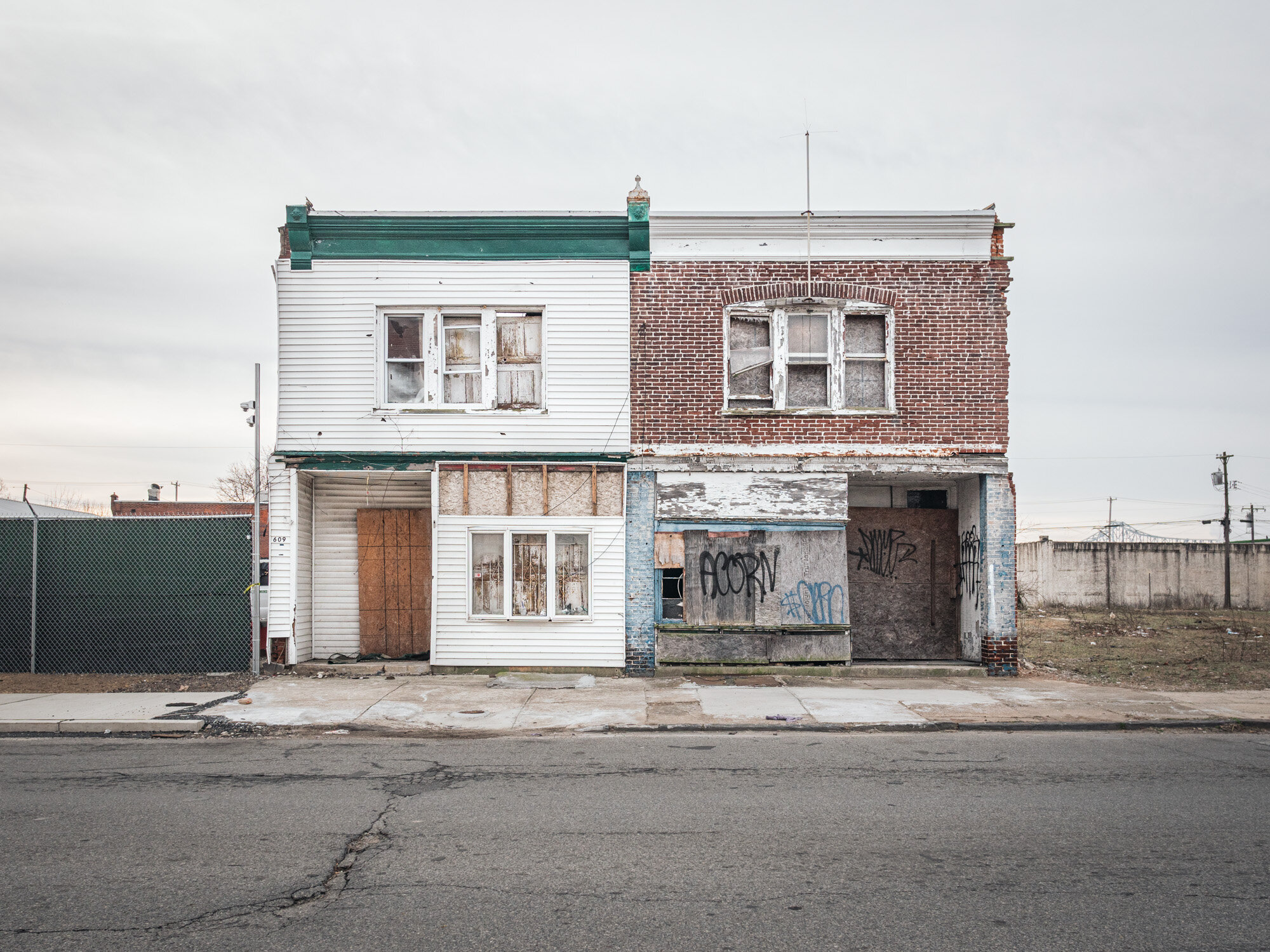
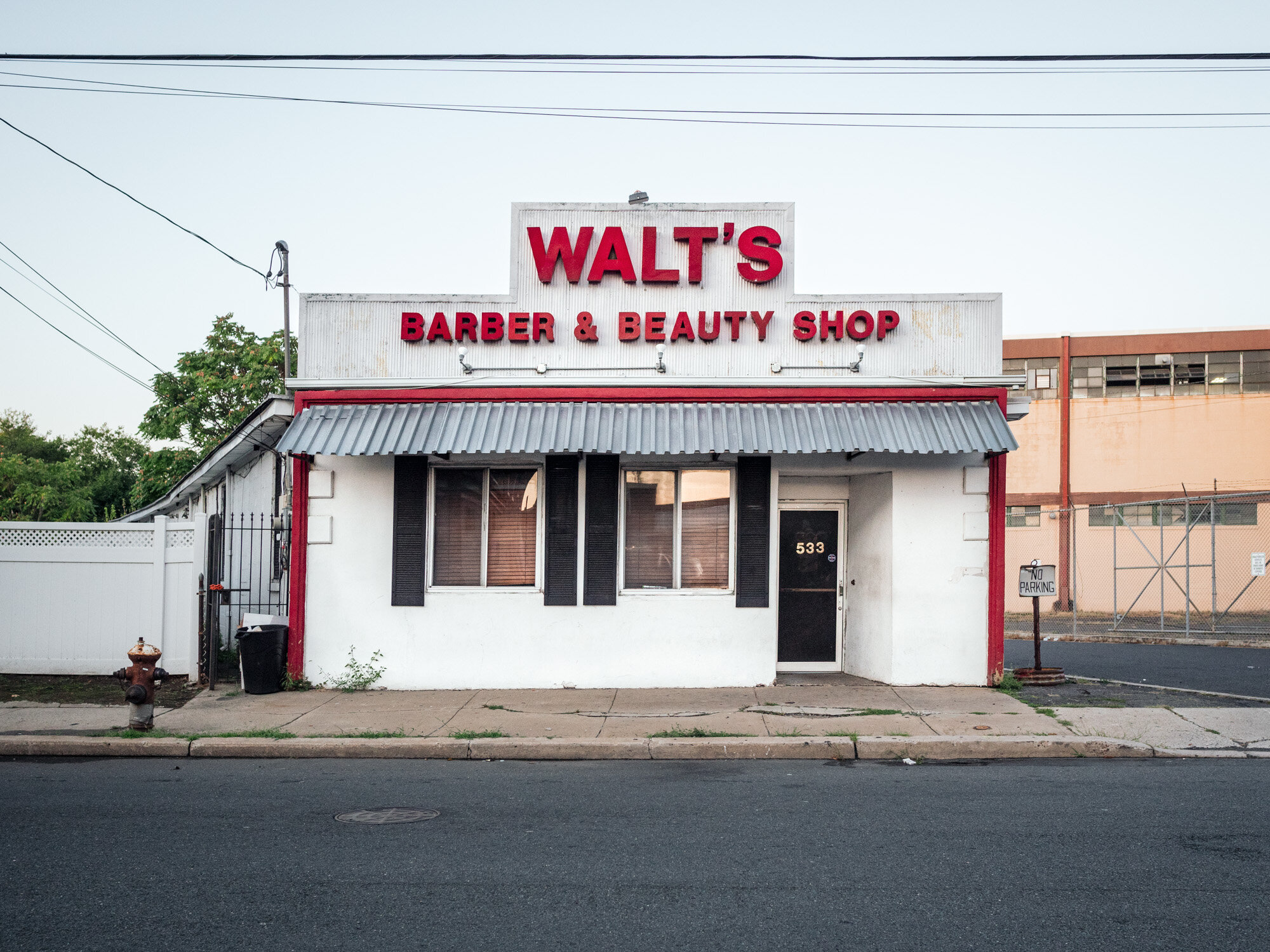
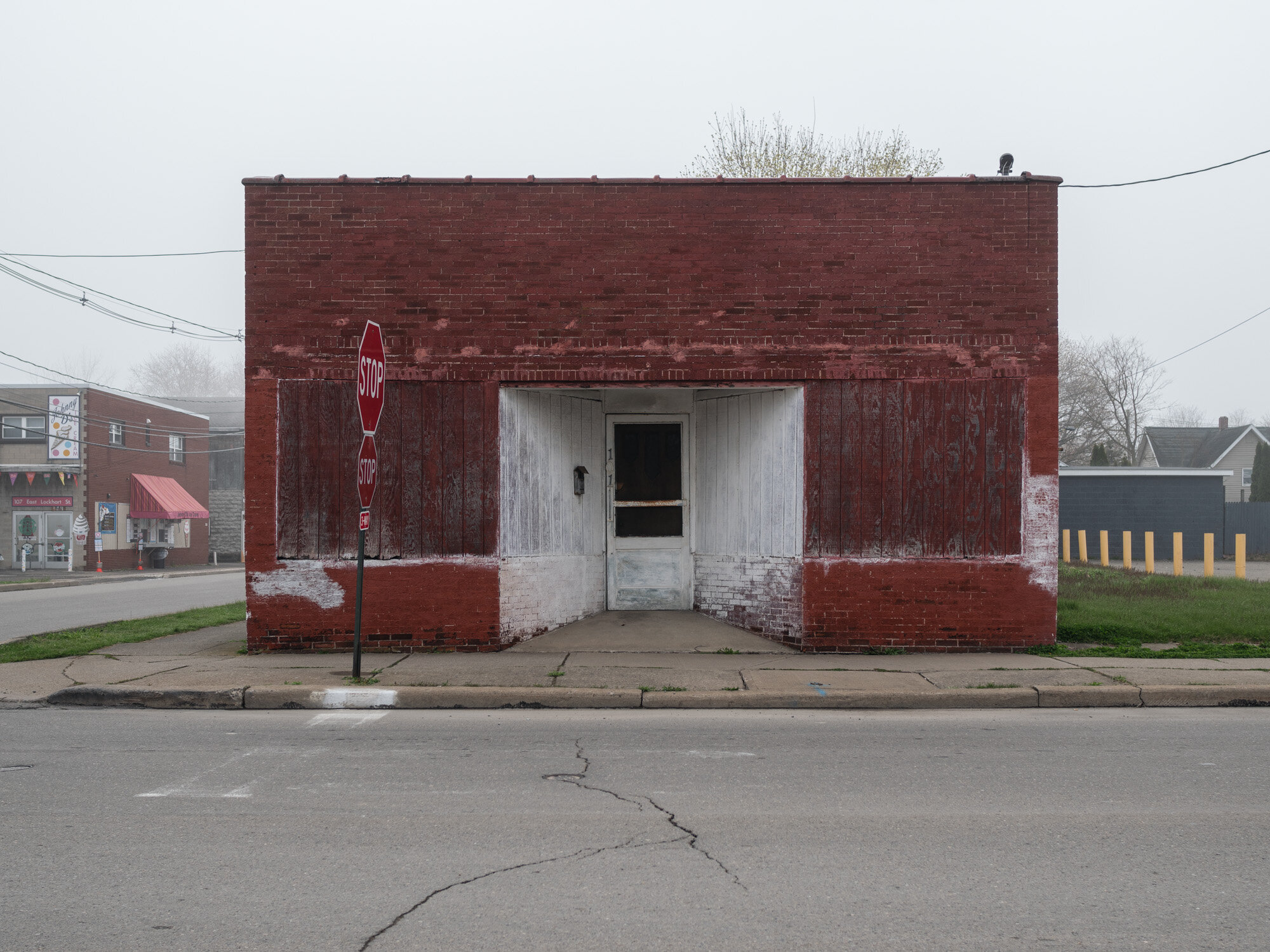
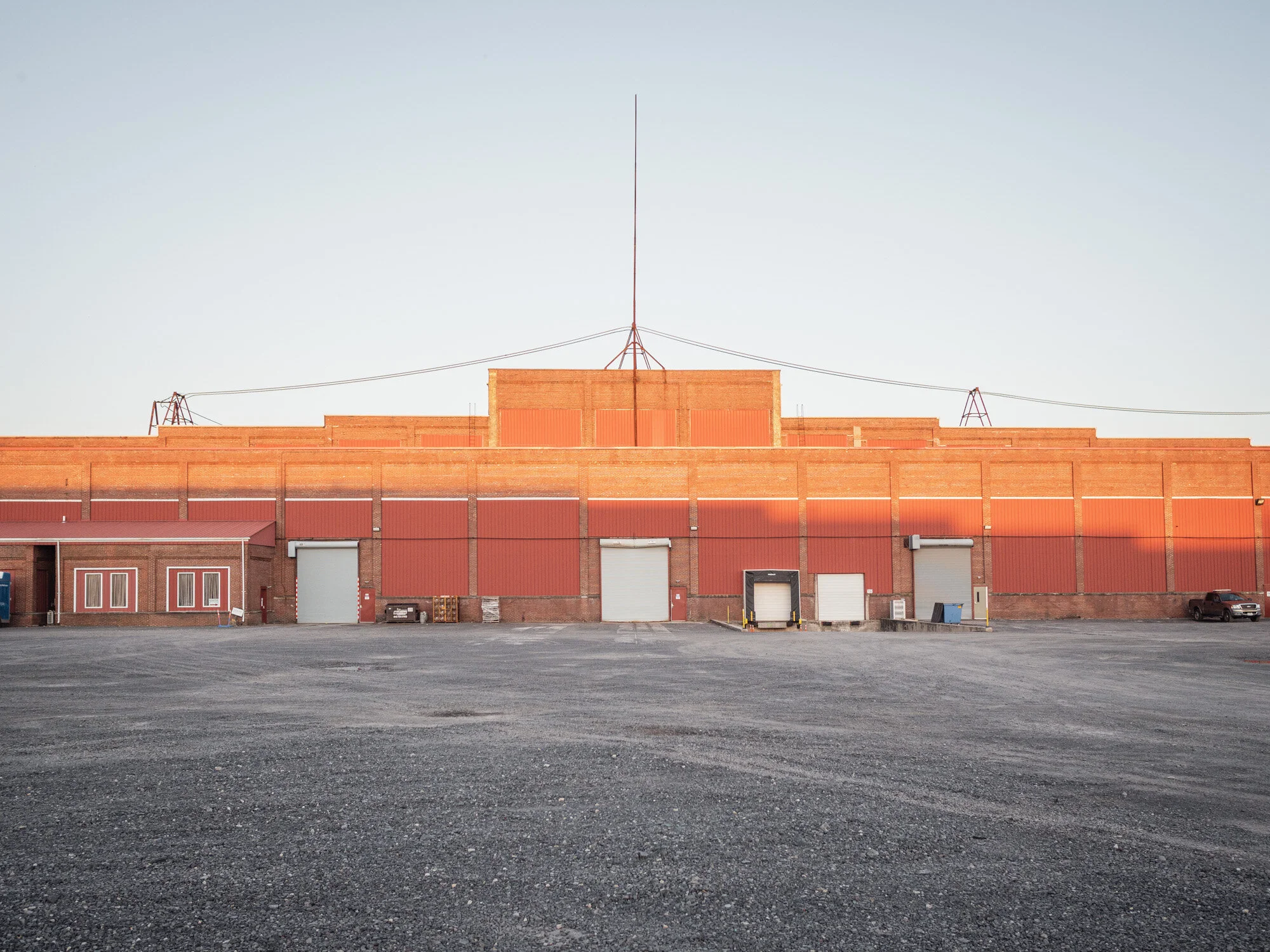
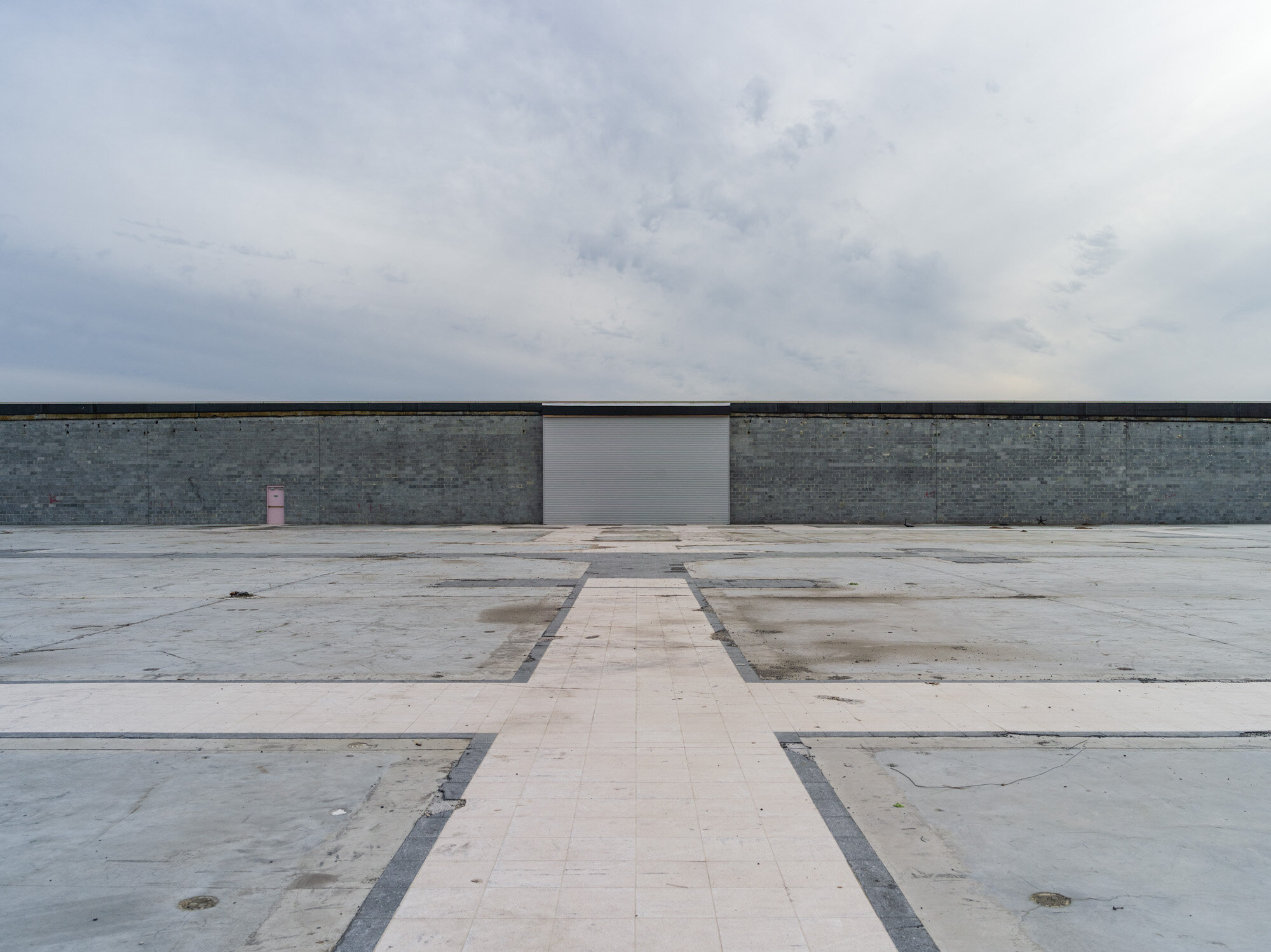
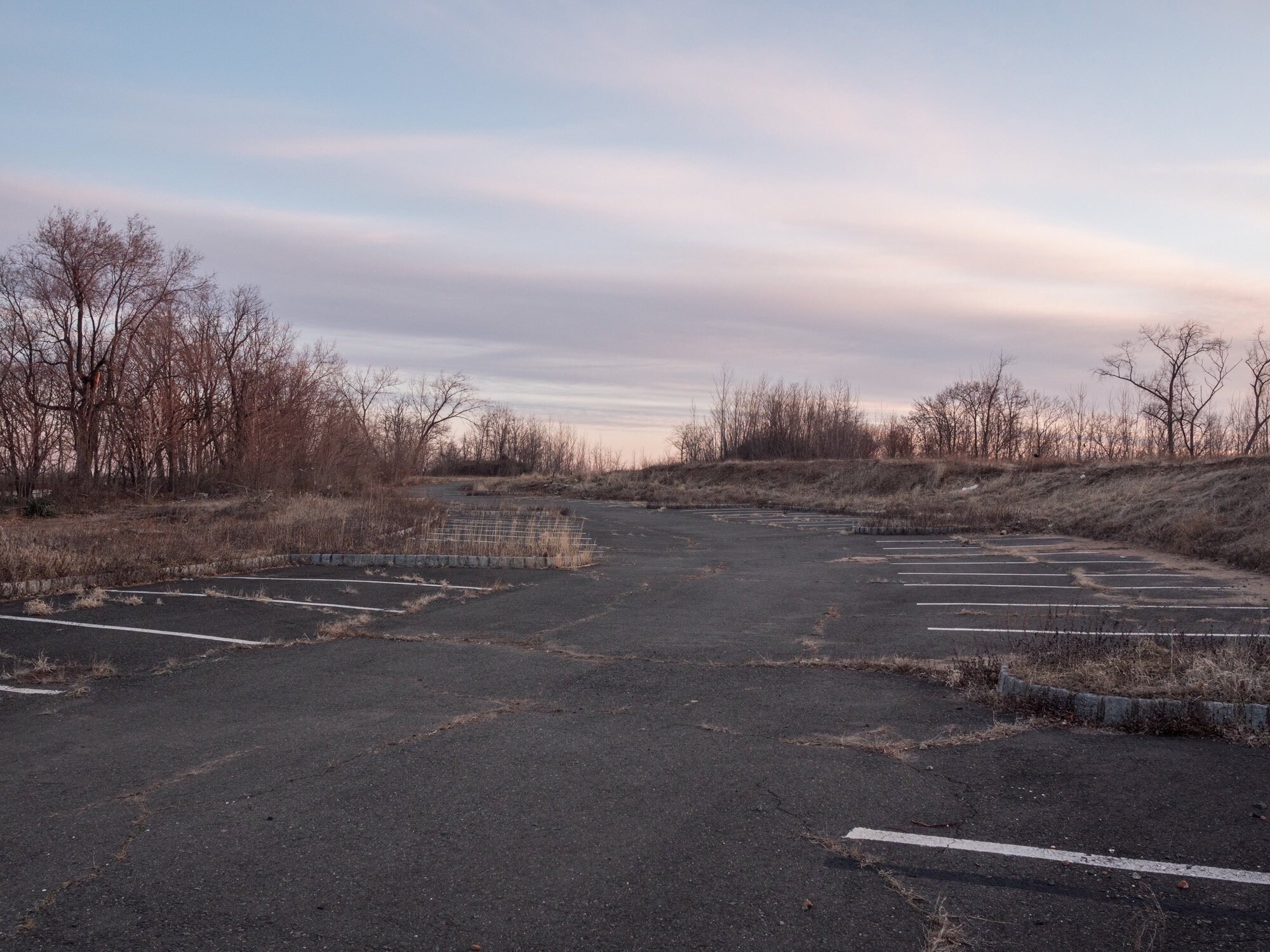
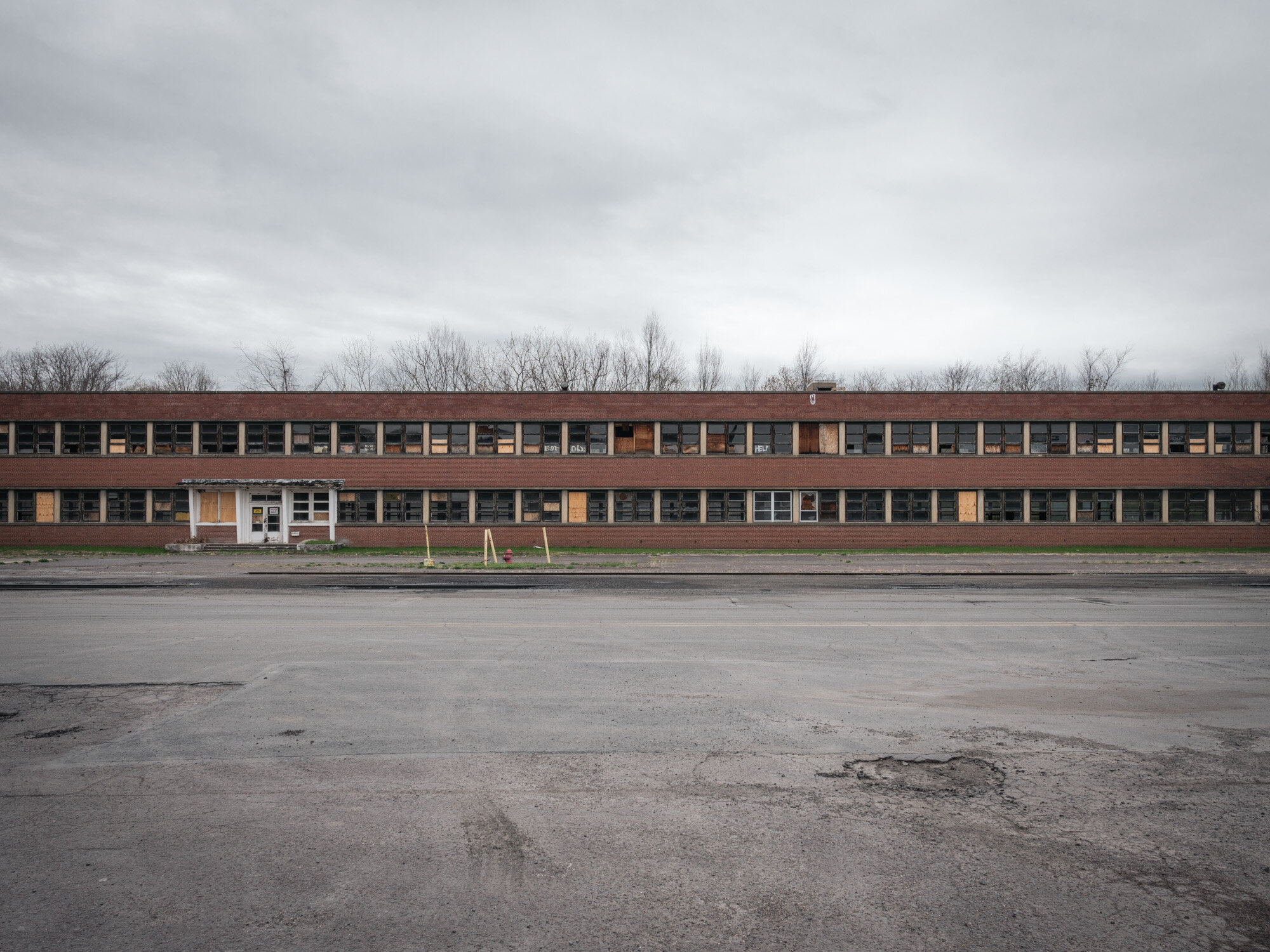
These photos are from a series exploring the de-industrialization of American manufacturing towns and cities. The project started with my interest in photographing the intersection of nature and infrastructure.

As the project changed and grew, I became more focused on documenting small and large cities that, at one point or another, had been major industrial and manufacturing centers in America. Many of the buildings photographed are abandoned, condemned, or in the process of being demolished.

Some of these larger industrial cities have over the years seen government aid and intervention in the hope of revitalizing the local economy. However, many of the smaller cities and towns have been left on their own. 

I see this project as an opportunity to document the unfortunate effects of America moving away from being a nation of producers to that of consumers.

Matthew on Instagram
matthewludak.com

Sarah Stefanutti - Agoraphobia

ag·o·ra·pho·bi·a

/ˌaɡərəˈfōbēə/

noun

  1. an anxiety disorder which involves an intense fear of being in open, often public, places or situations where it may be hard to escape, or where help may not be available.


Agoraphobia-1.jpg

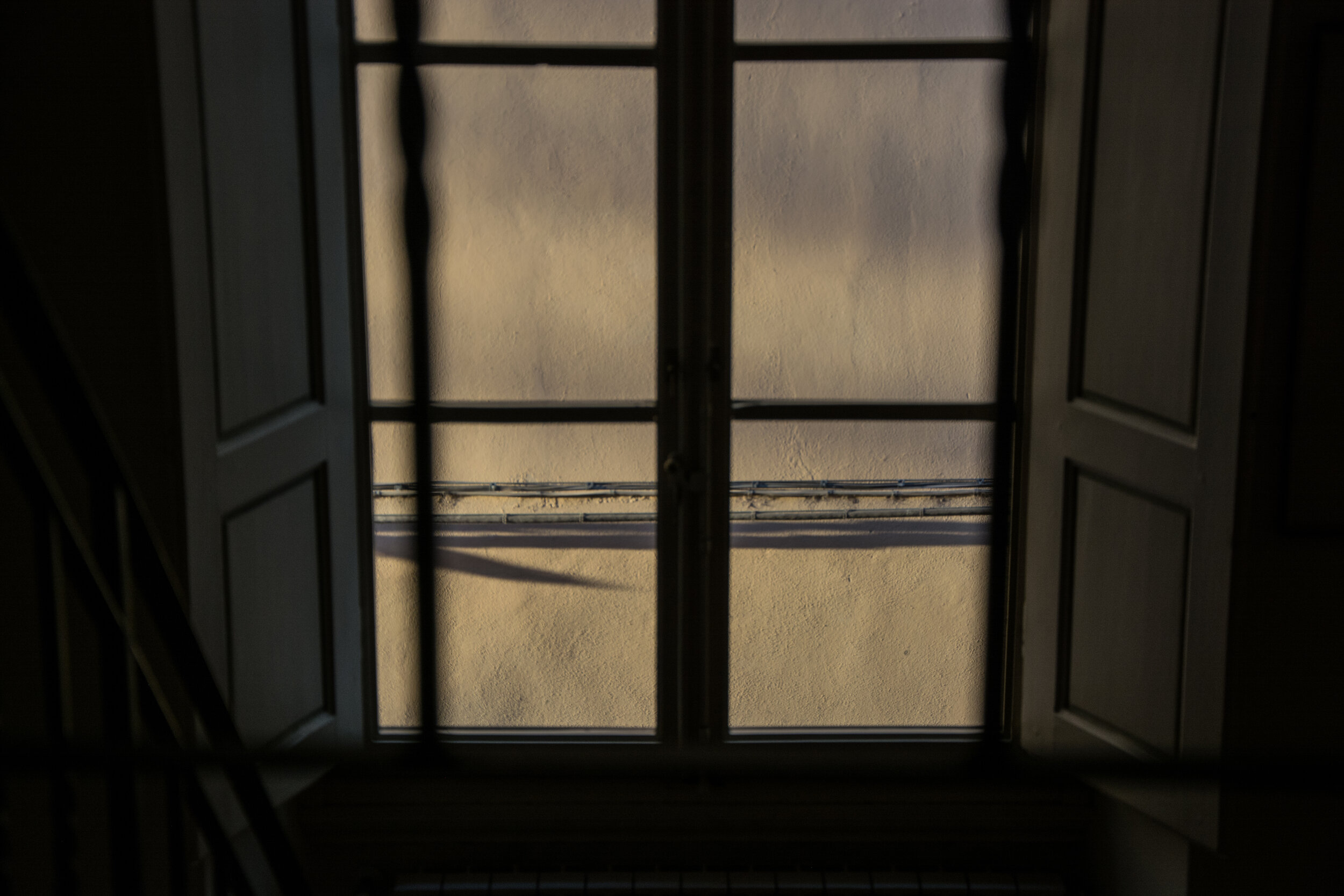
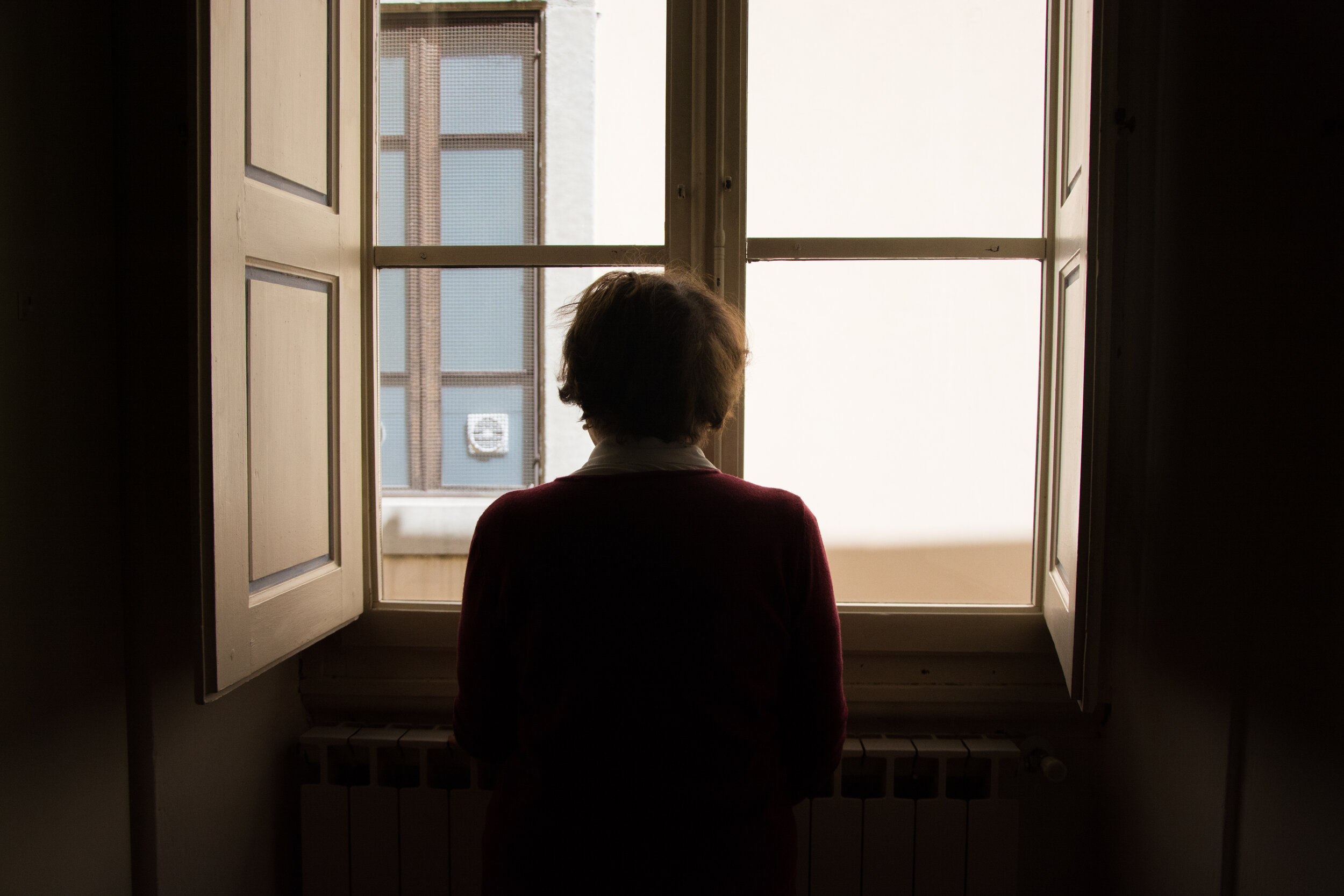
Agoraphobia is a long-term art project on the relationship between subjects and spaces. In particular, I have been following the life of my grandmother, aged 95, and her confinement within her flat, as she hasn’t left this space for over a decade due to past traumatic experiences. I tried to capture the daily rituals of a domestic life that is mostly marked by stillness and silence. The more I dug into the representation of my grandmother’s agoraphobia, the more a strange sense of claustrophobia emerged within me in the solitude of her apartment. And yet, although my grandmother’s condition makes her life challenging, lacking human contact, I couldn’t help but notice how her inner world has become filled with fascinating details marked by subtle daily domestic rituals and great care for her space. The domestic space becomes both a home-temple as well as home-prison from which she cannot escape. Although this project started a few years ago, I can’t help but think of how current it has become in the last few weeks, where most of us find ourselves in some form of physical confinement due to the Covid-19 lockdowns. The unique life of my grandmother suddenly becomes strangely familiar to each one of us; and my work, that intended to capture the strange condition of the isolation of a single human, is now strangely contemporary and representative of the human condition.

Agoraphobia-4.jpg
Agoraphobia-5.jpg
Agoraphobia-6.jpg
Agoraphobia-7.jpg
Agoraphobia-8.jpg
Agoraphobia-9.jpg
Agoraphobia-11.jpg
Agoraphobia-12.jpg
Agoraphobia-13.jpg
Follow Sarah
Sarah's latest book for purchase

Tropographics - Filippo Bardazzi and Laura Chiaroni (SooS Chronicles)

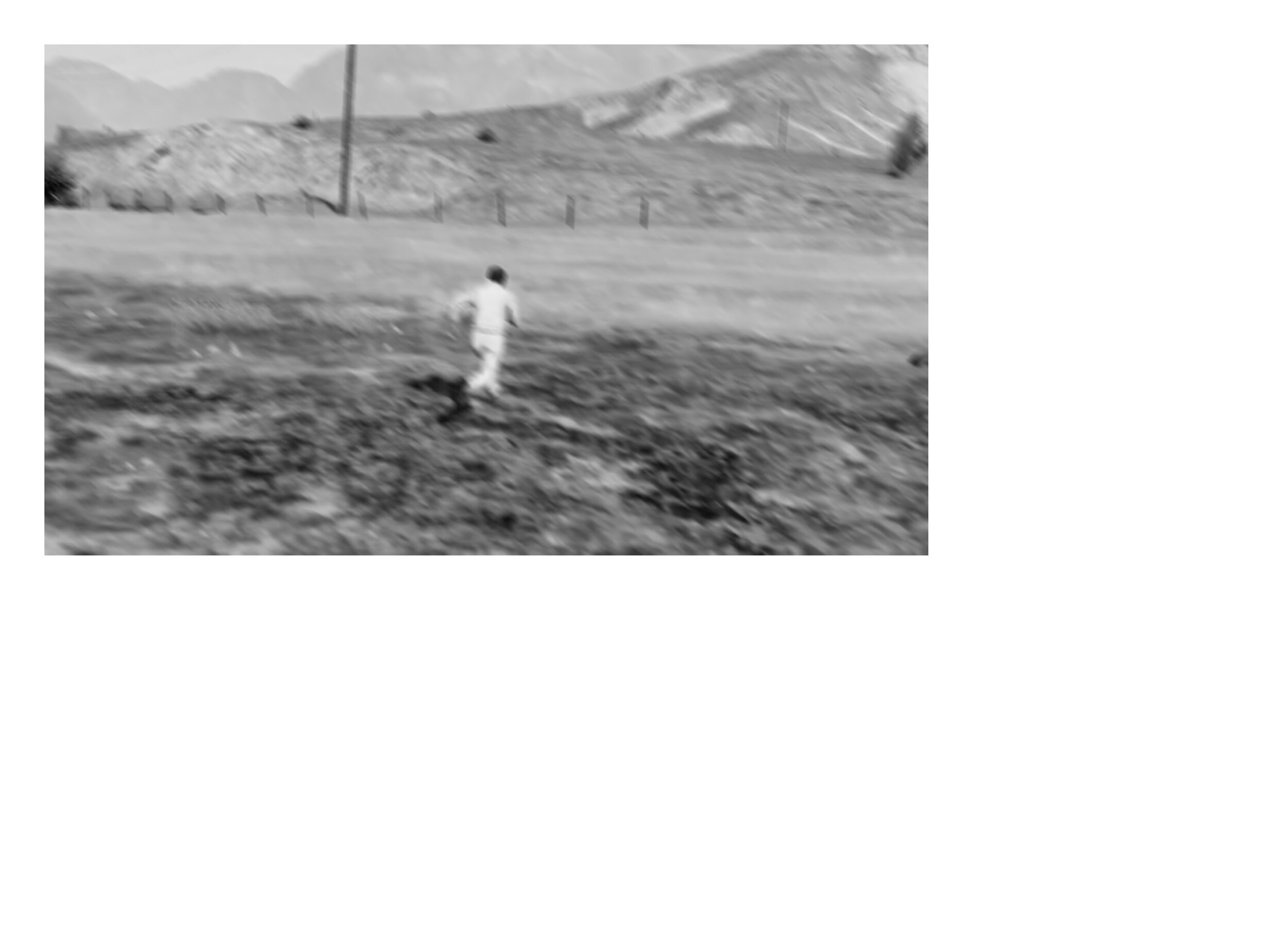
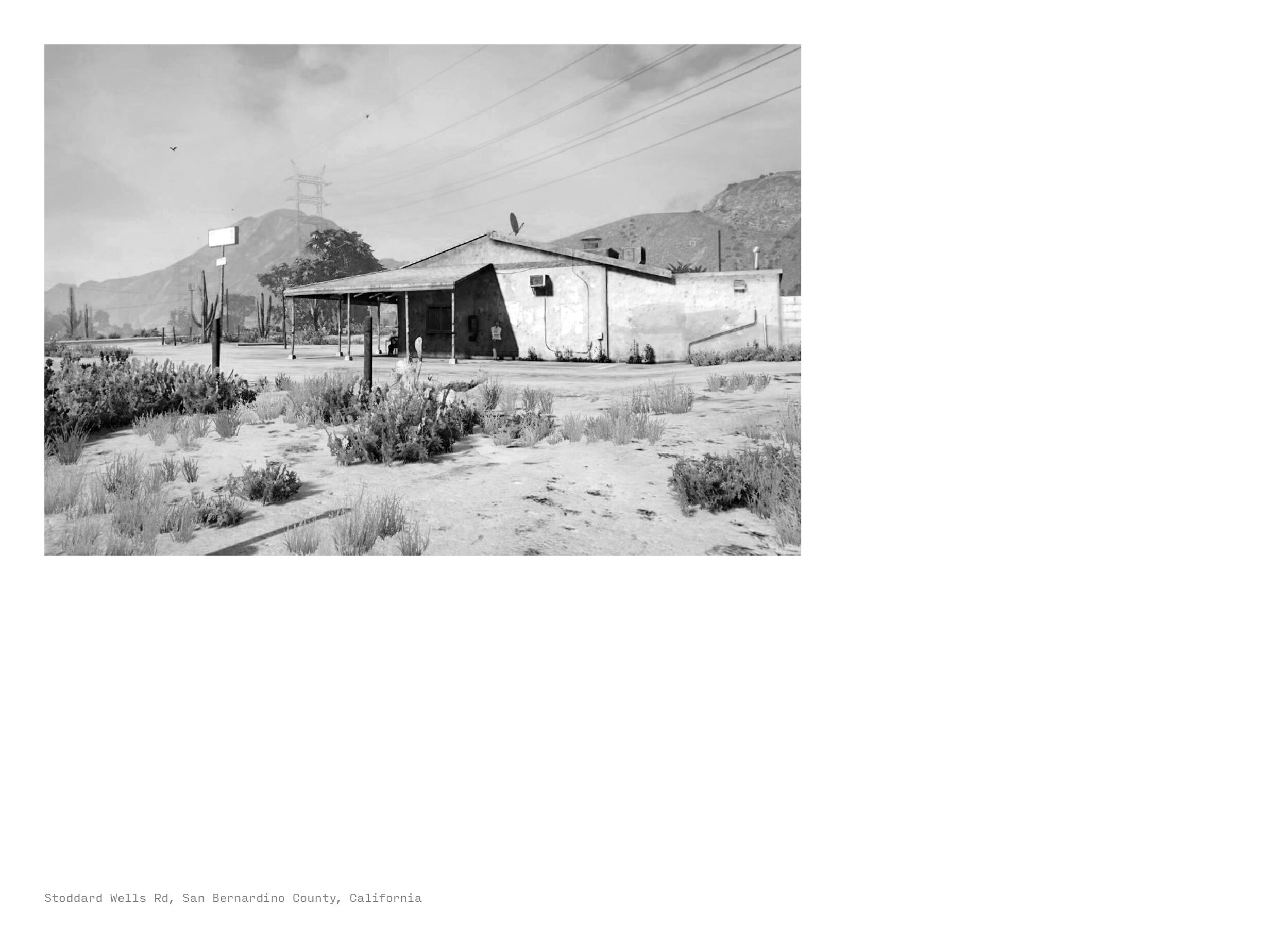
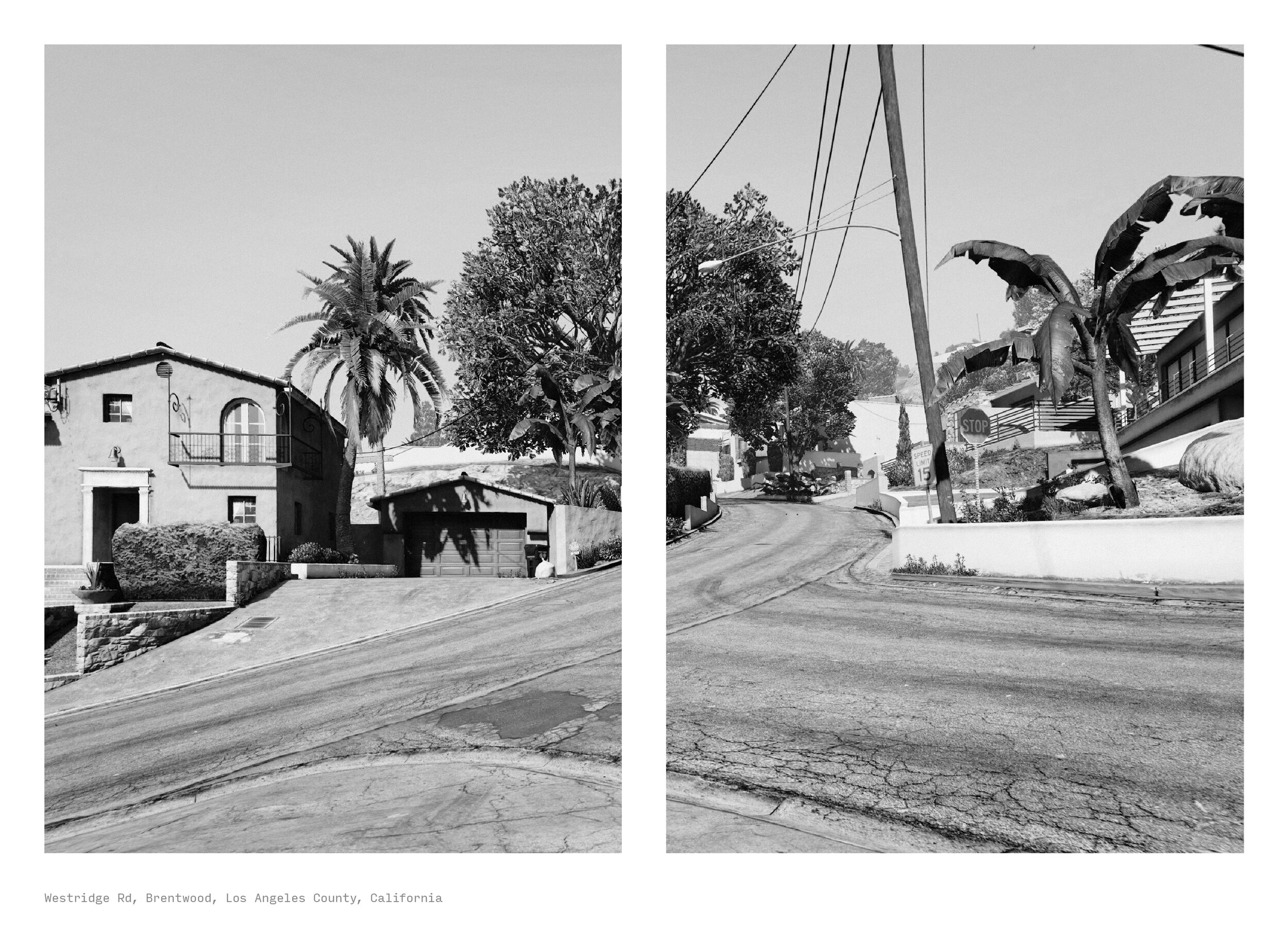
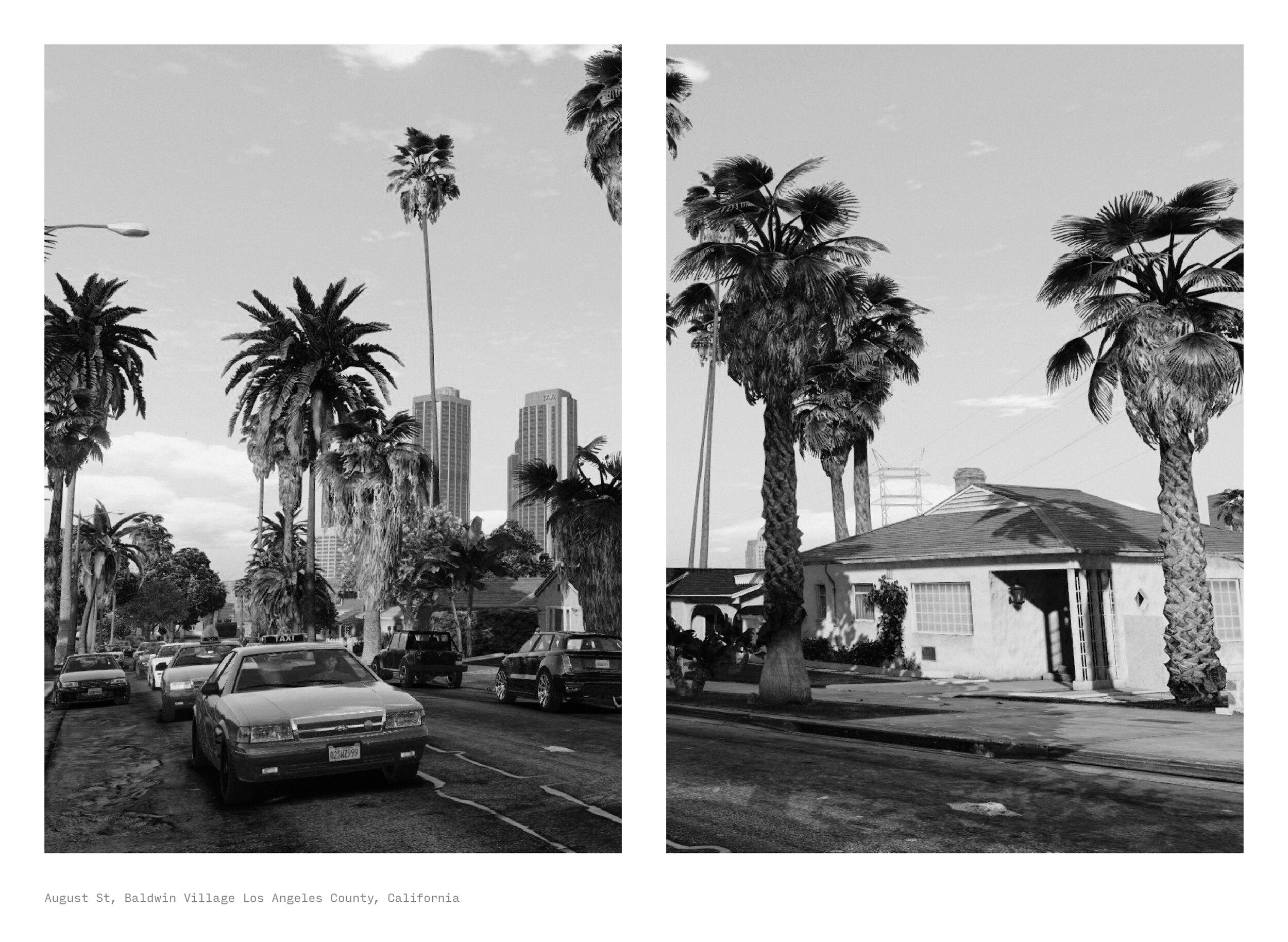
A trópos is a recurring element. A trópos is a motif in narrative. (Yes, also in visual narrative). A trópos is a cliché. Everything can become a trópos, but each of them is not present as itself. It is there to direct to something else. A trópos keeps changing: that's what makes it always the same.

Tropographics is a project by Filippo Bardazzi and Laura Chiaroni—SooS Chronicles. It is definitely not a series of beautiful pictures found by chance on the web. And it isn't either a collection of random weird scenes. This is instead our trip through landscape and photography, in search of tropes around the world. The archive will be constantly updated and expanded with new categories.

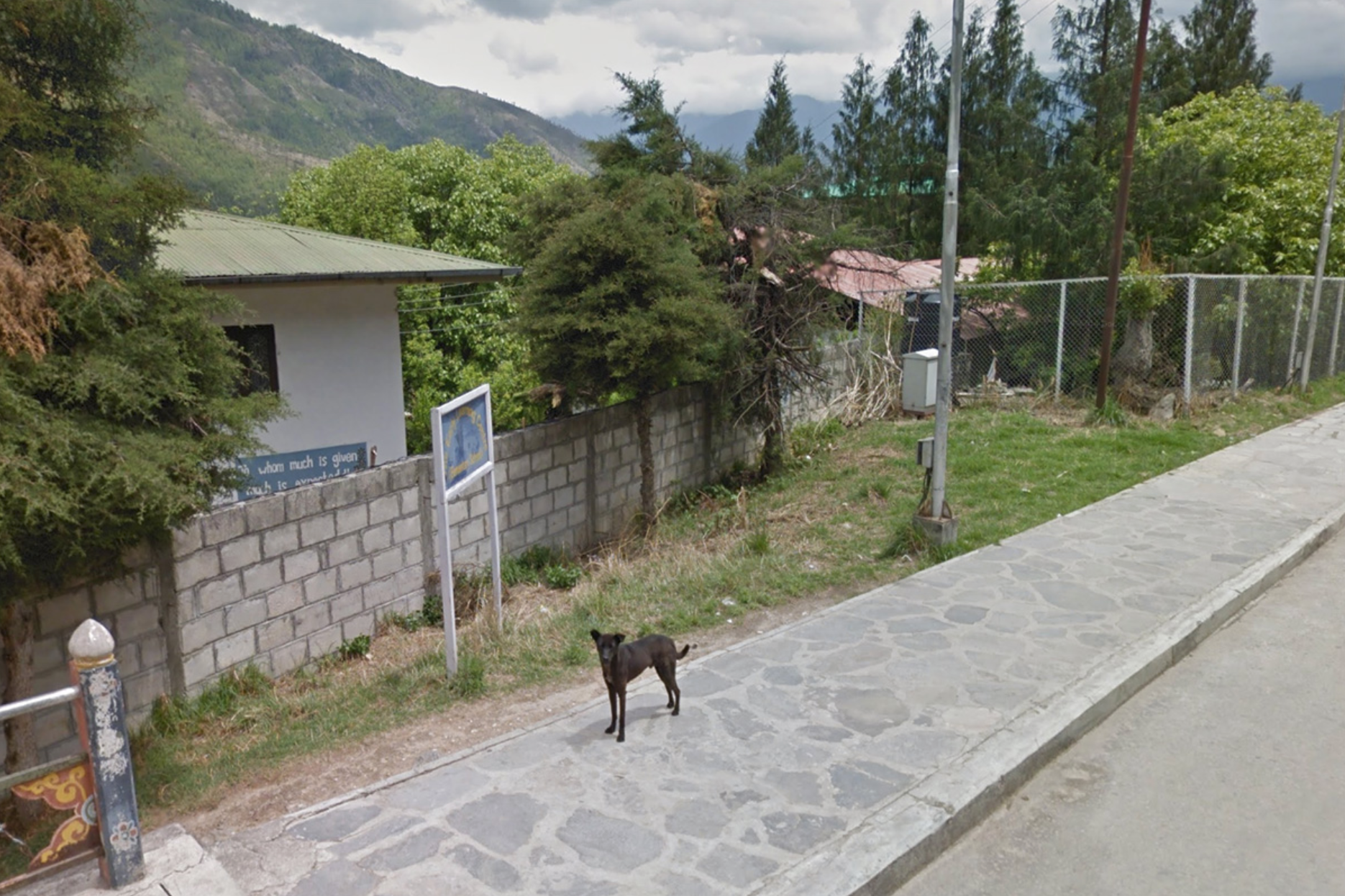
All images have been taken using Google Street View.


BUS STOP

Bus stops are small reproductions of our lives. You stand or sit there waiting for a ride that can bring you to your final destination. During this wait you share a limited space with unknown people. Sometimes you talk to others, sometimes you just ignore them because you are busy thinking or because you just want to scroll through your phone with no particular reason. We have two friends that we've always known as a couple. They first met at a bus stop 15 years ago. They are now married with children. Life is often unpredictable.

COCA-COLA

Coca-Cola is likely the only thing you can order in any place of the world you happen to be. In the middle of the desert or in the jungle, on the snowy mountains or on a hammock in front of the Caribbean Sea, a can of Coke is always available, with the same taste, the same packaging, the same bubbles. First sold in pharmacies, now you can find it anywhere except (maybe) pharmacies. Its distribution is so widespread thanks to an extensive advertising coverage, showing the world famous red and white logo. Even Santa Claus loved this soft drink so much that he started wearing these colours as an uniform for his job.

DOG

It is said that a dog is a man's best friend. Yeah, maybe. We don't have enough evidence for that. Surely they are everywhere and they populate cities and outskirts together with us for centuries. Most of human activities can be done with a dog on our side. Dogs sometimes act in ways that look mysterious to us: we don't know what they say when they bark or growl in the streets and it's funny how they get in touch by sniffing each other's butts. They are faithful but there is no way you can eradicate their freedom to sleep on a dusty roadside and their will to run behind a passing car.

Tropographics on IG
tropographicsproject.com

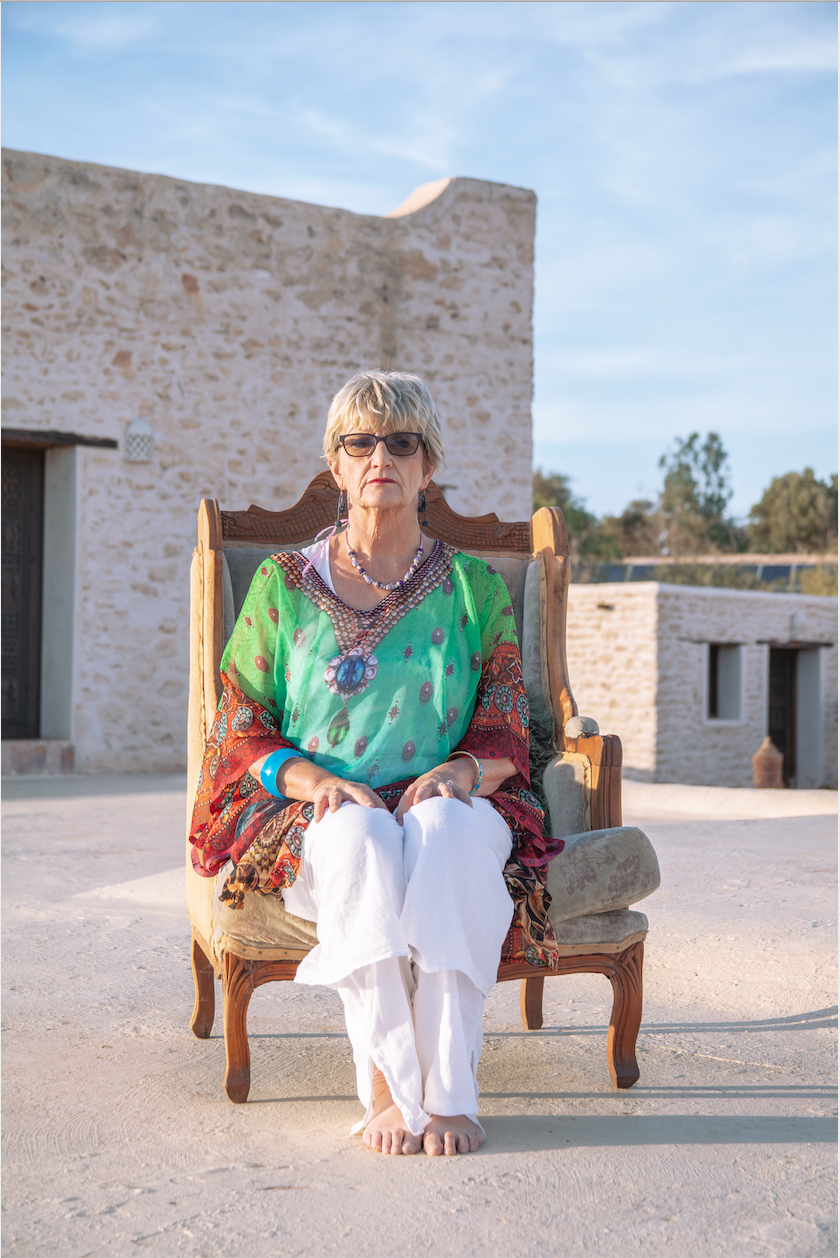
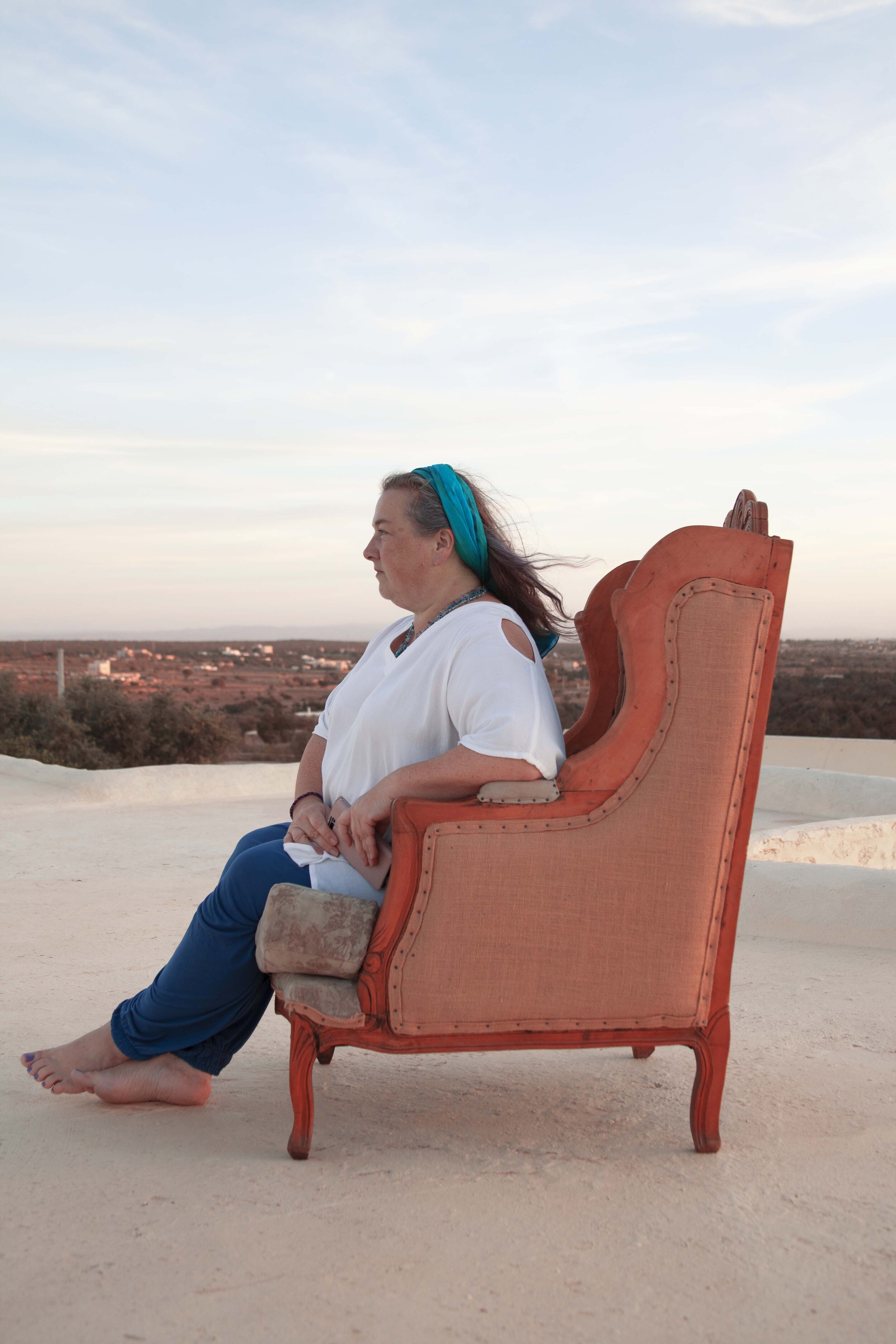
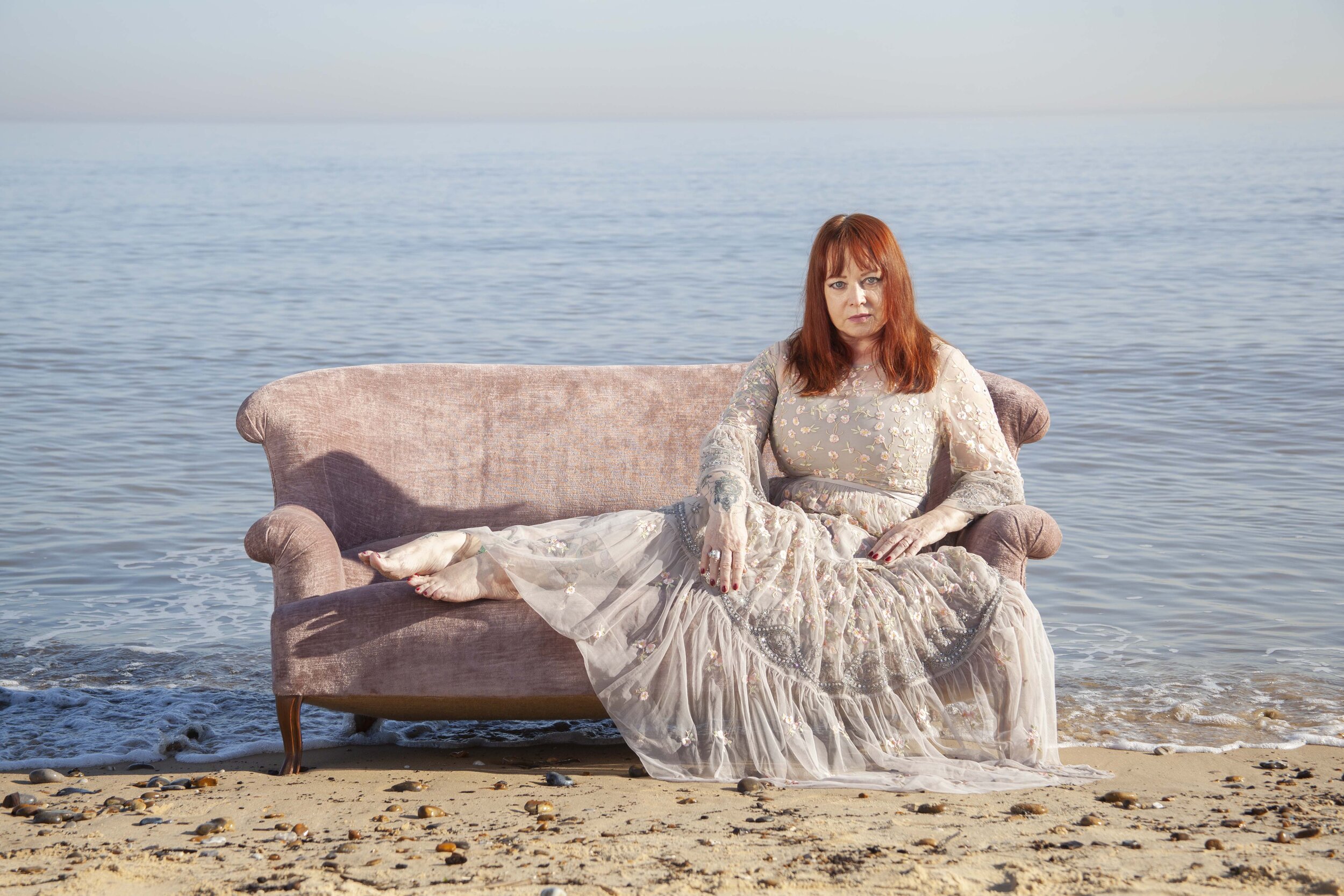
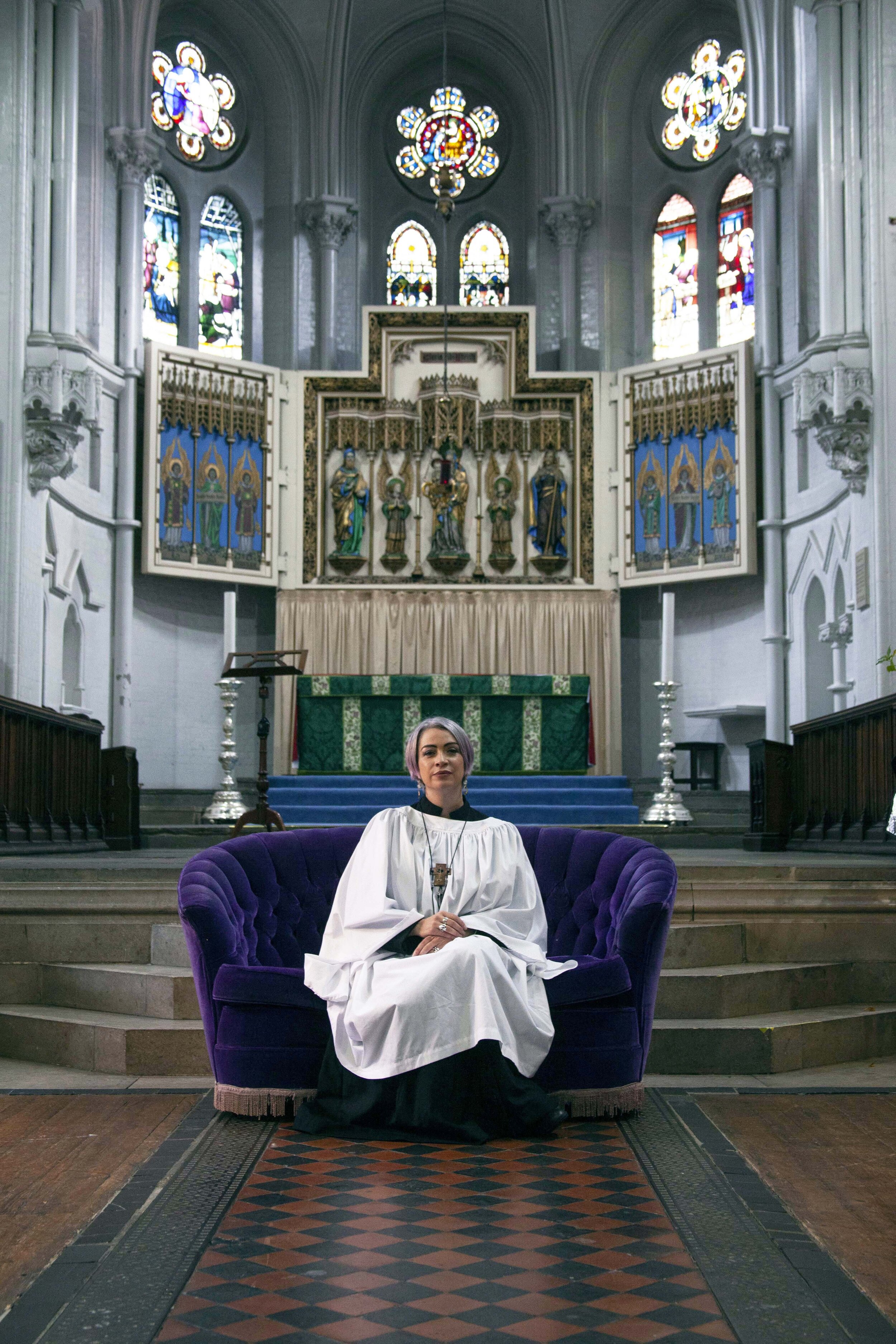
Ruby Steele- Women on Sofas

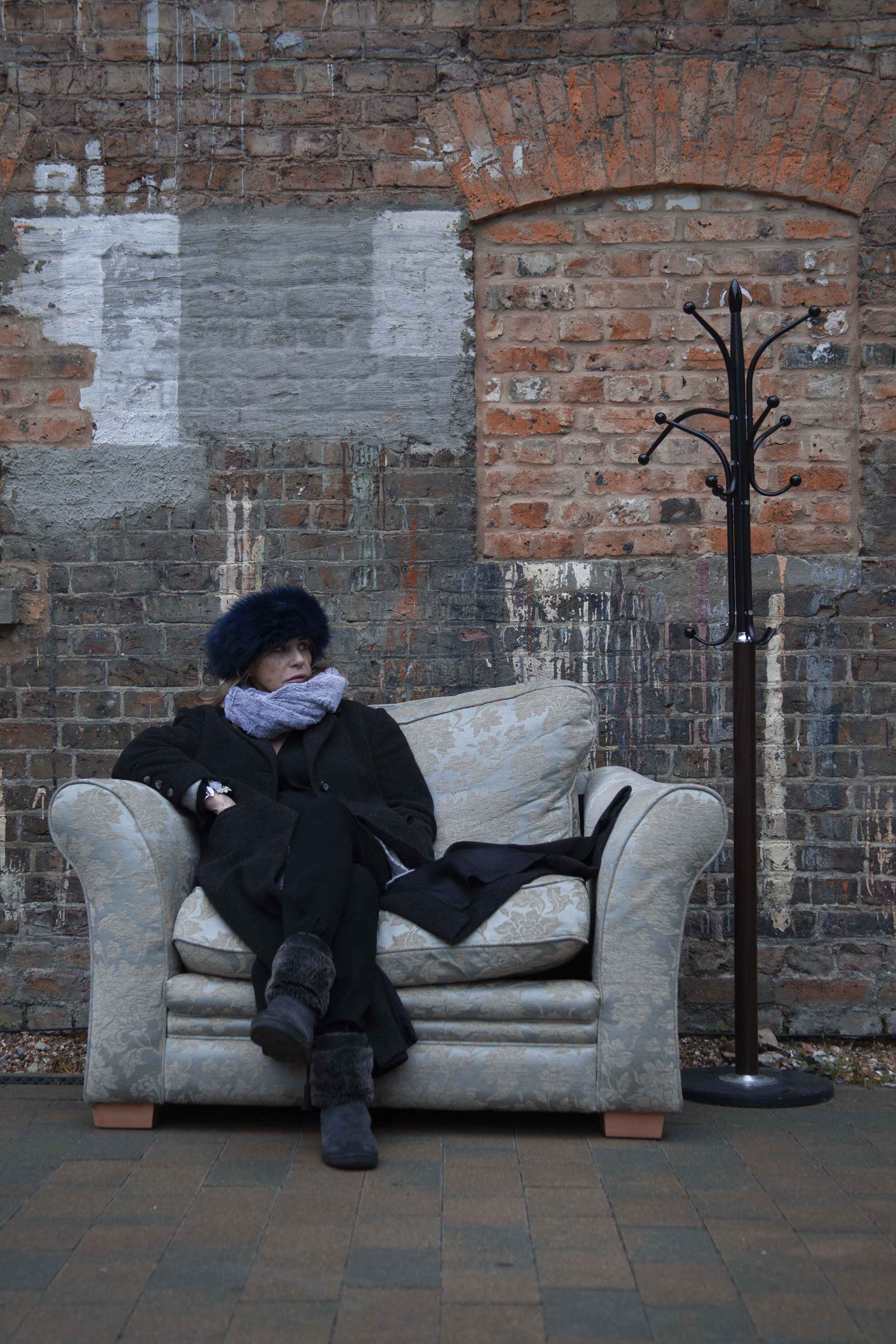
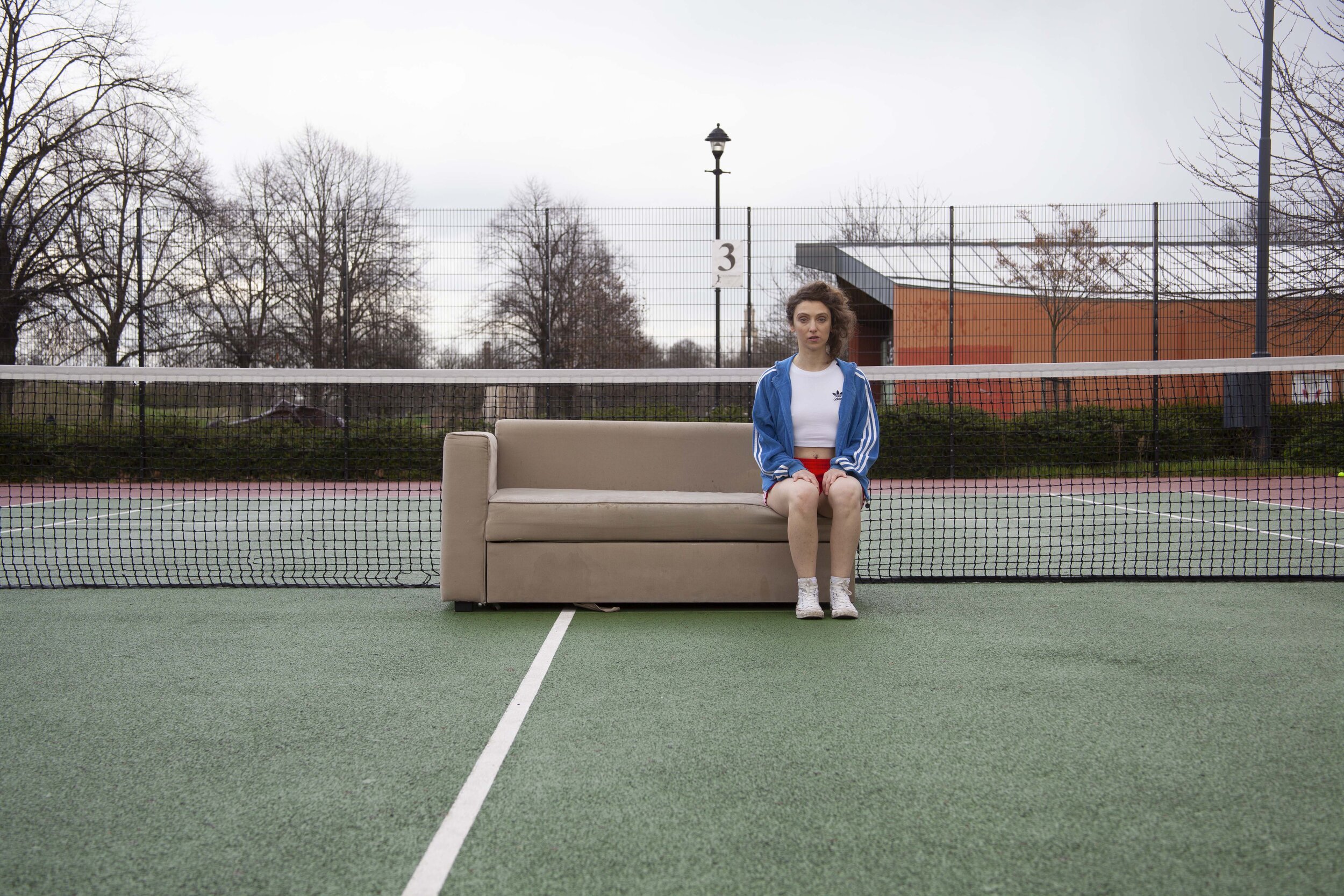
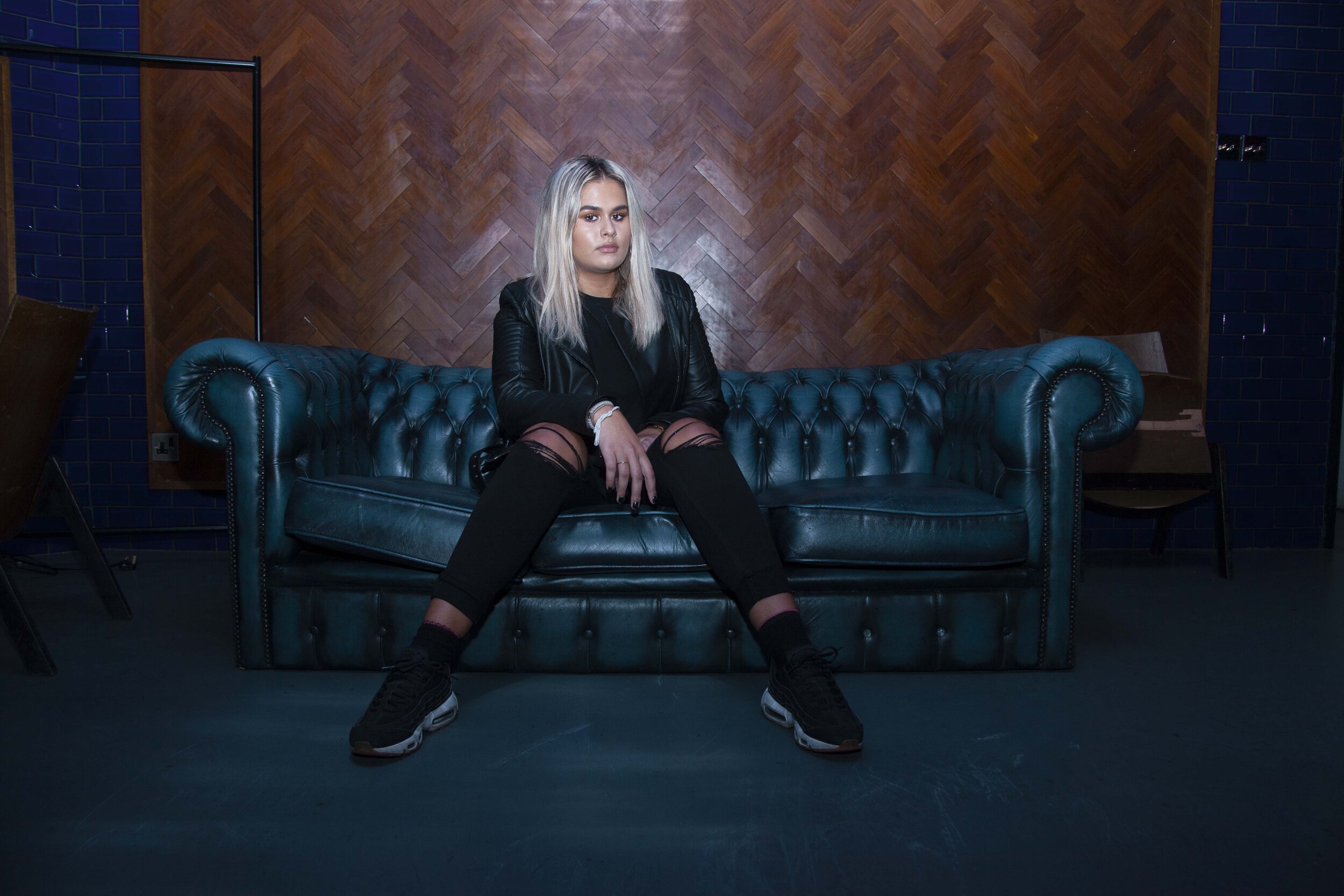
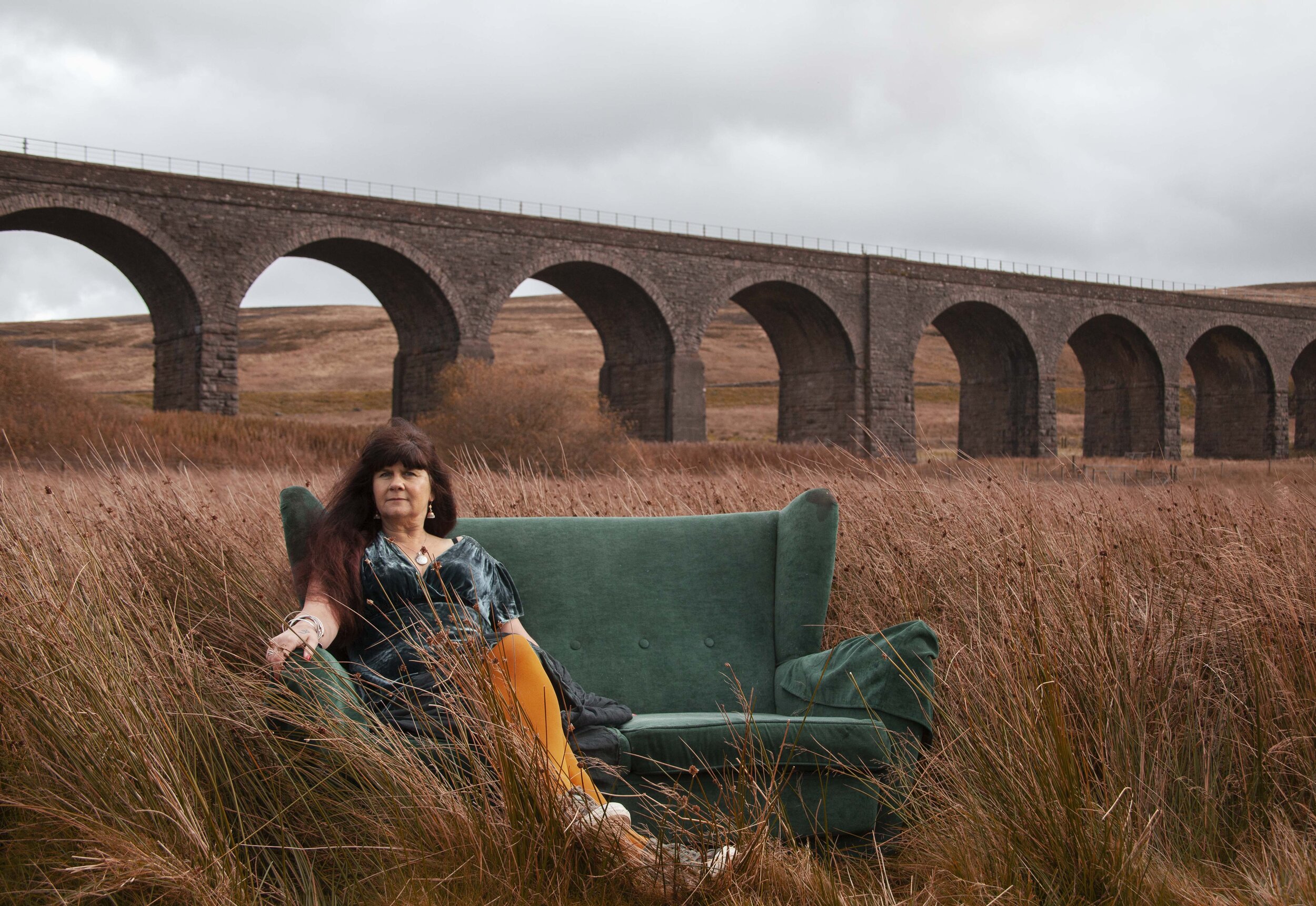
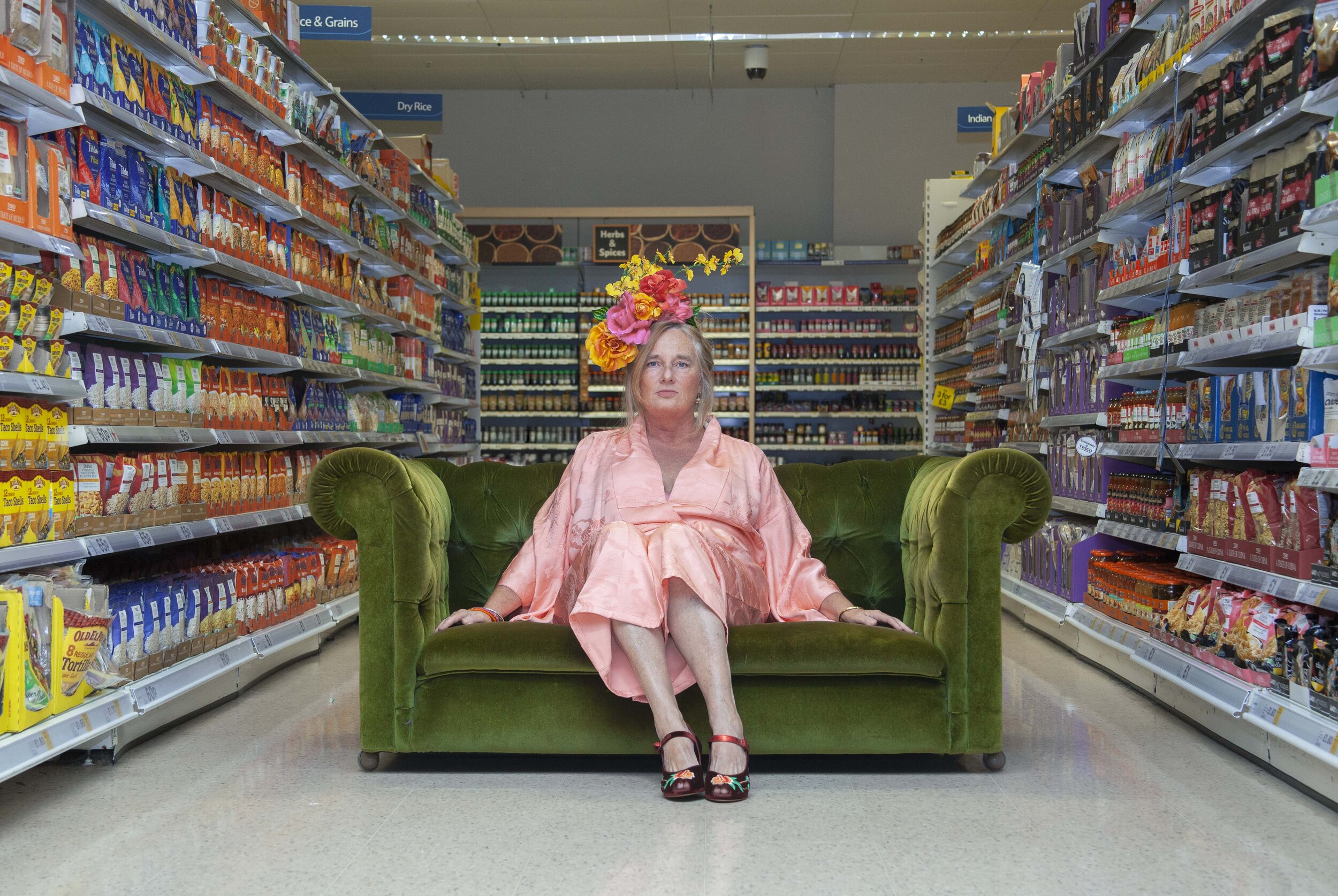
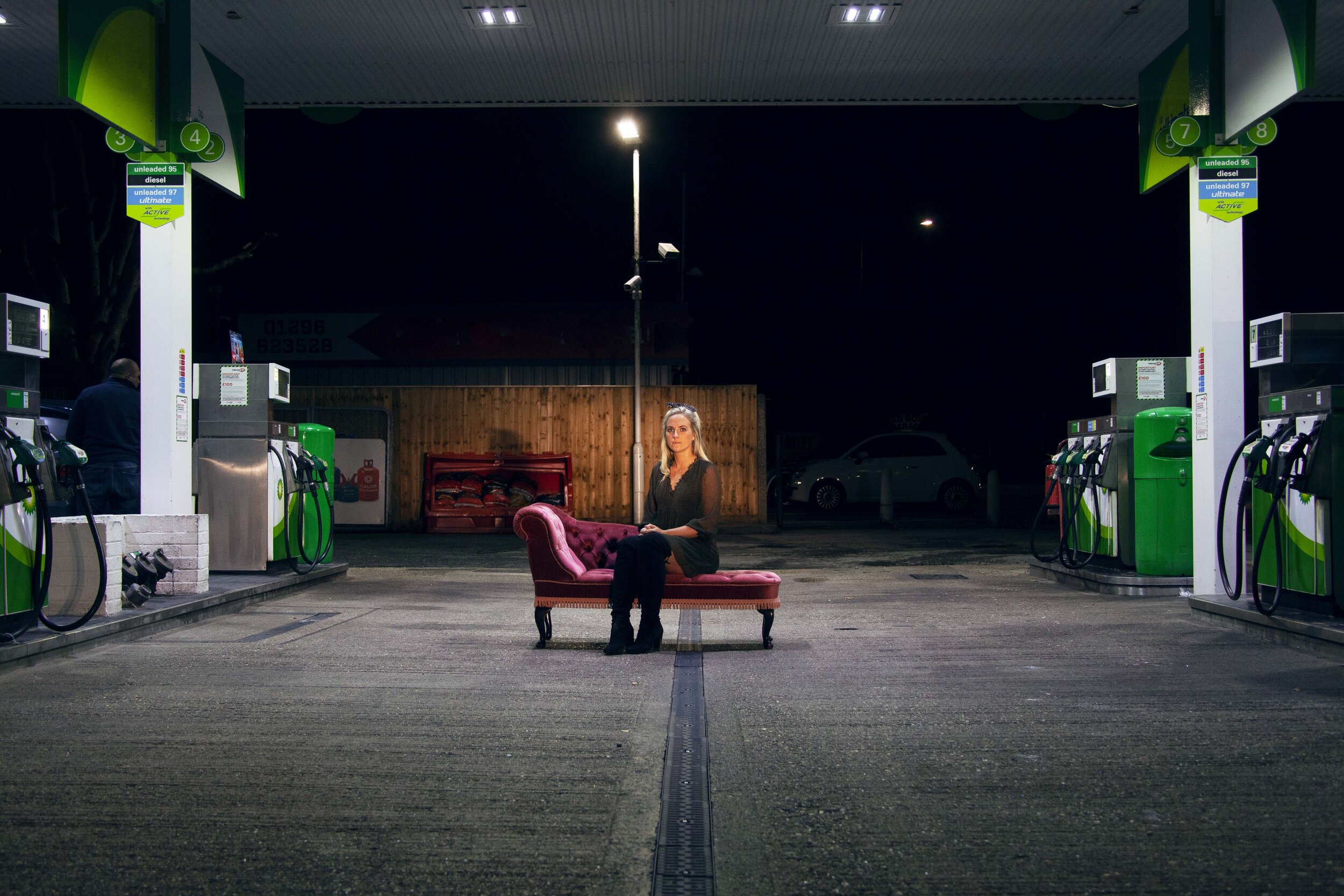
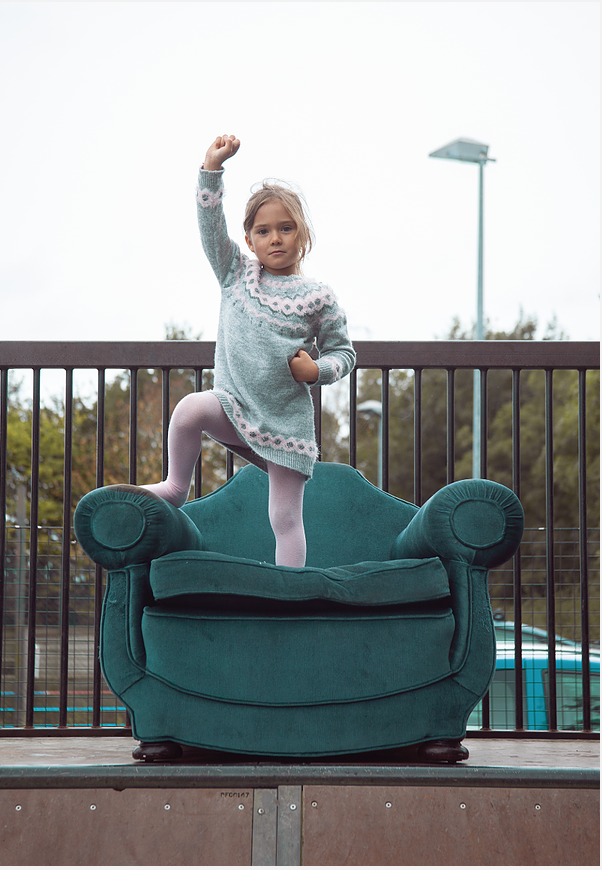
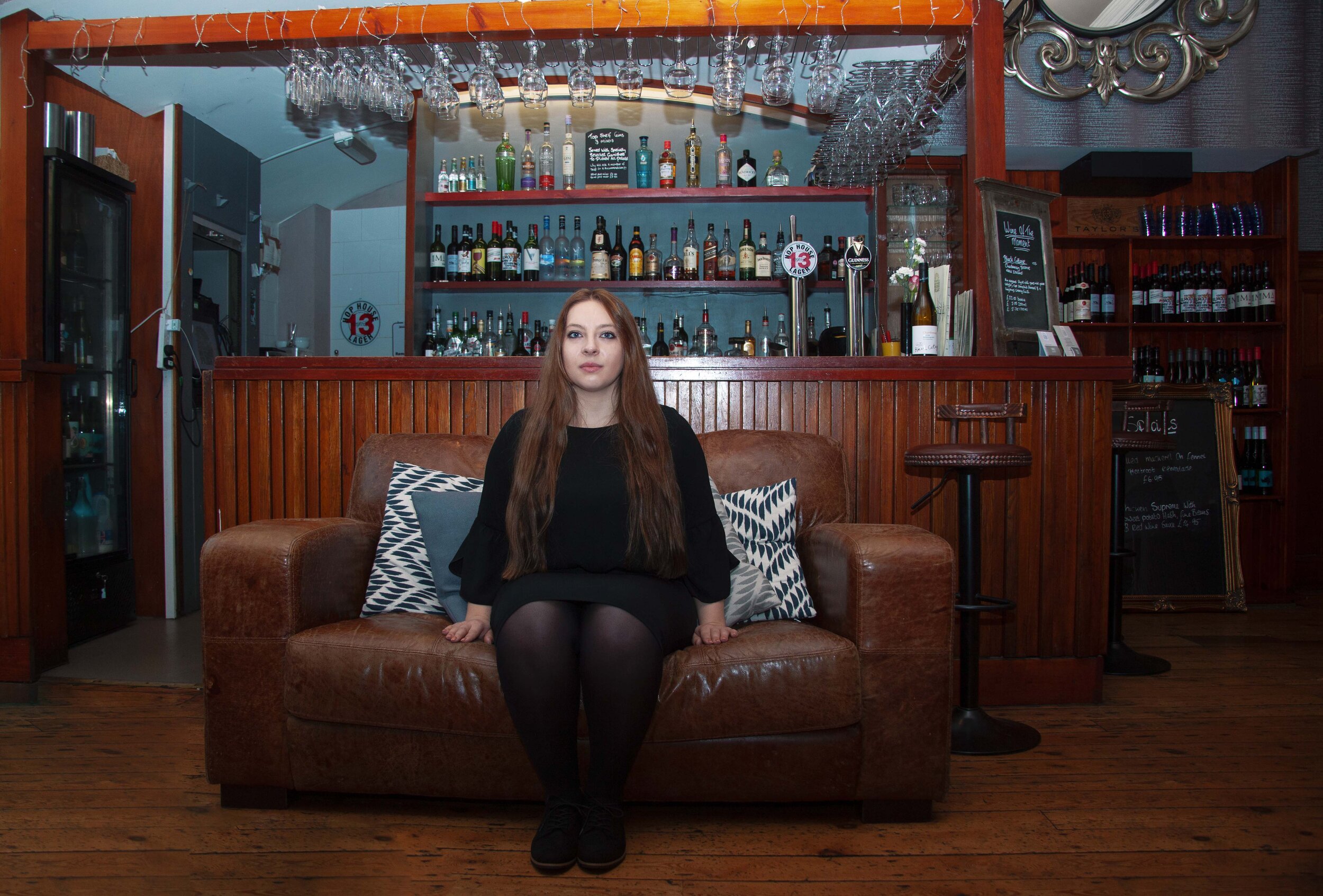
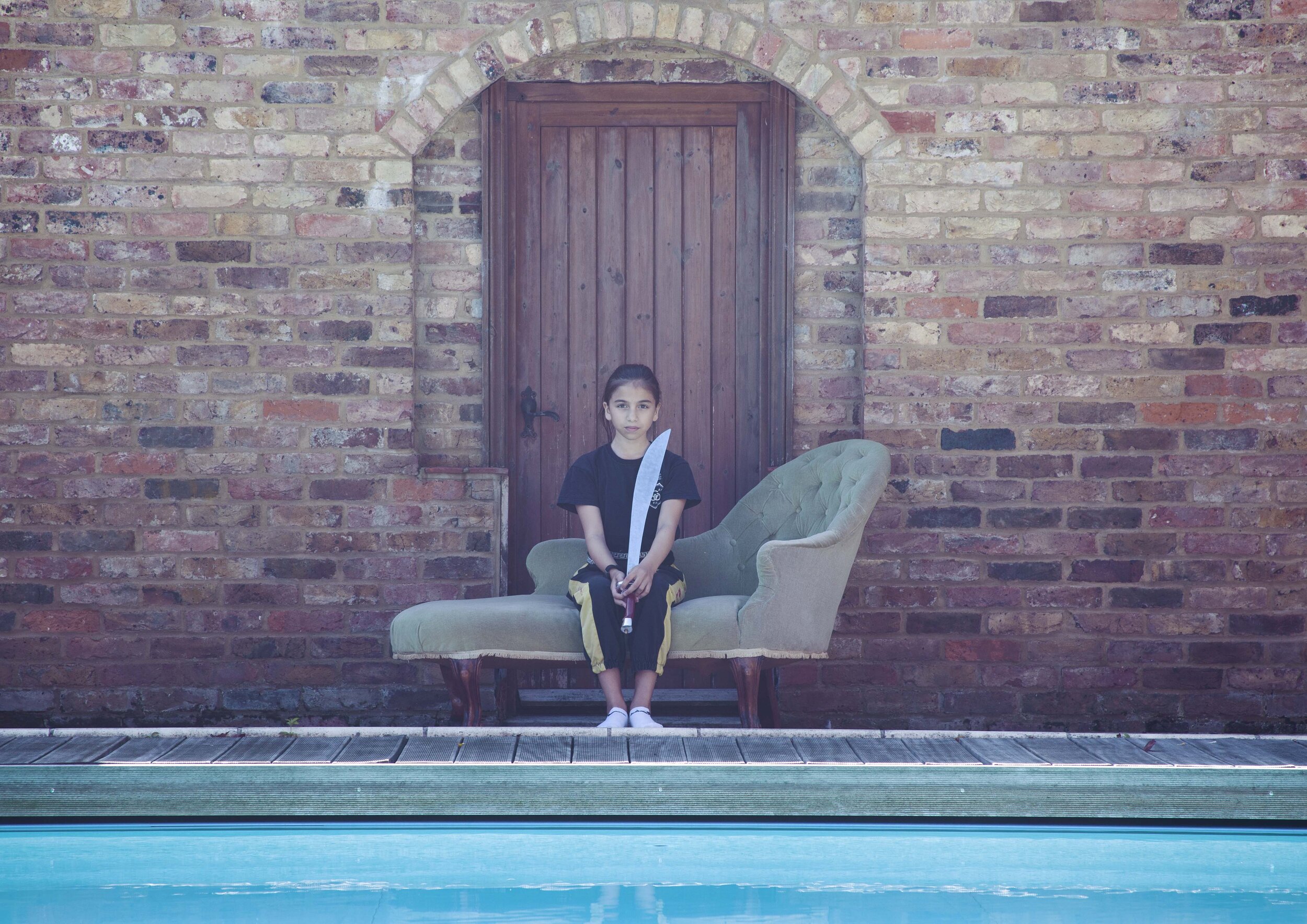
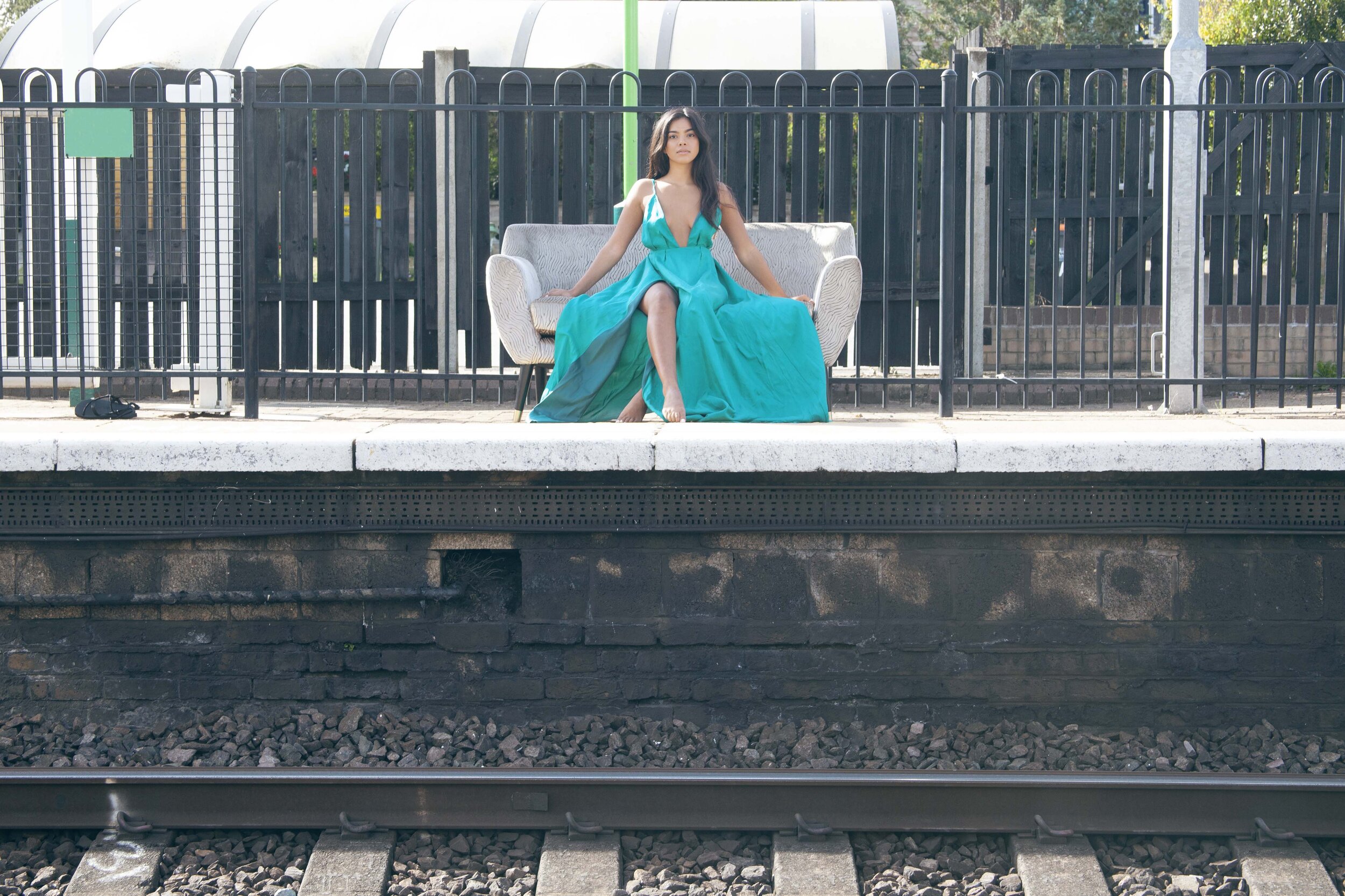
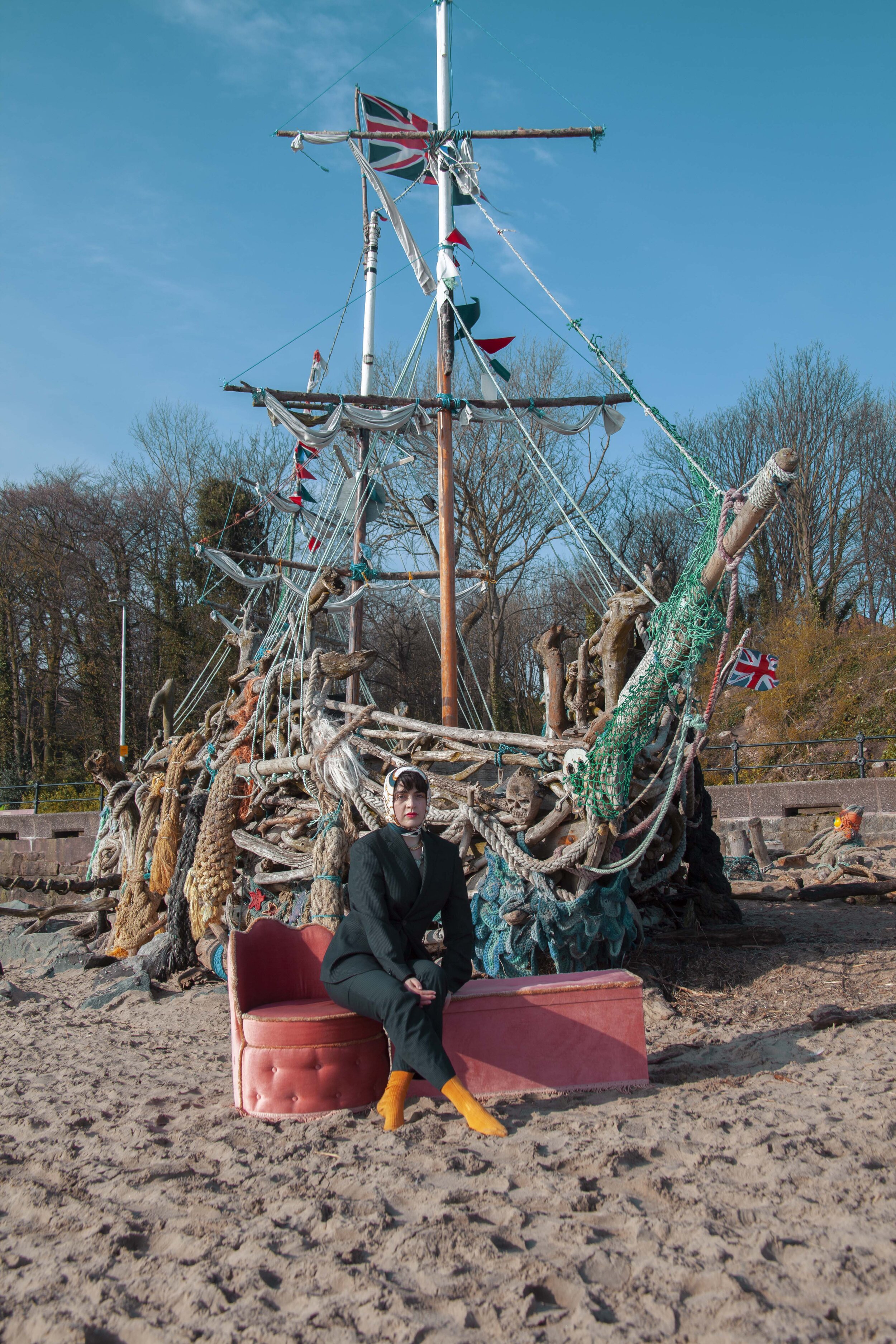
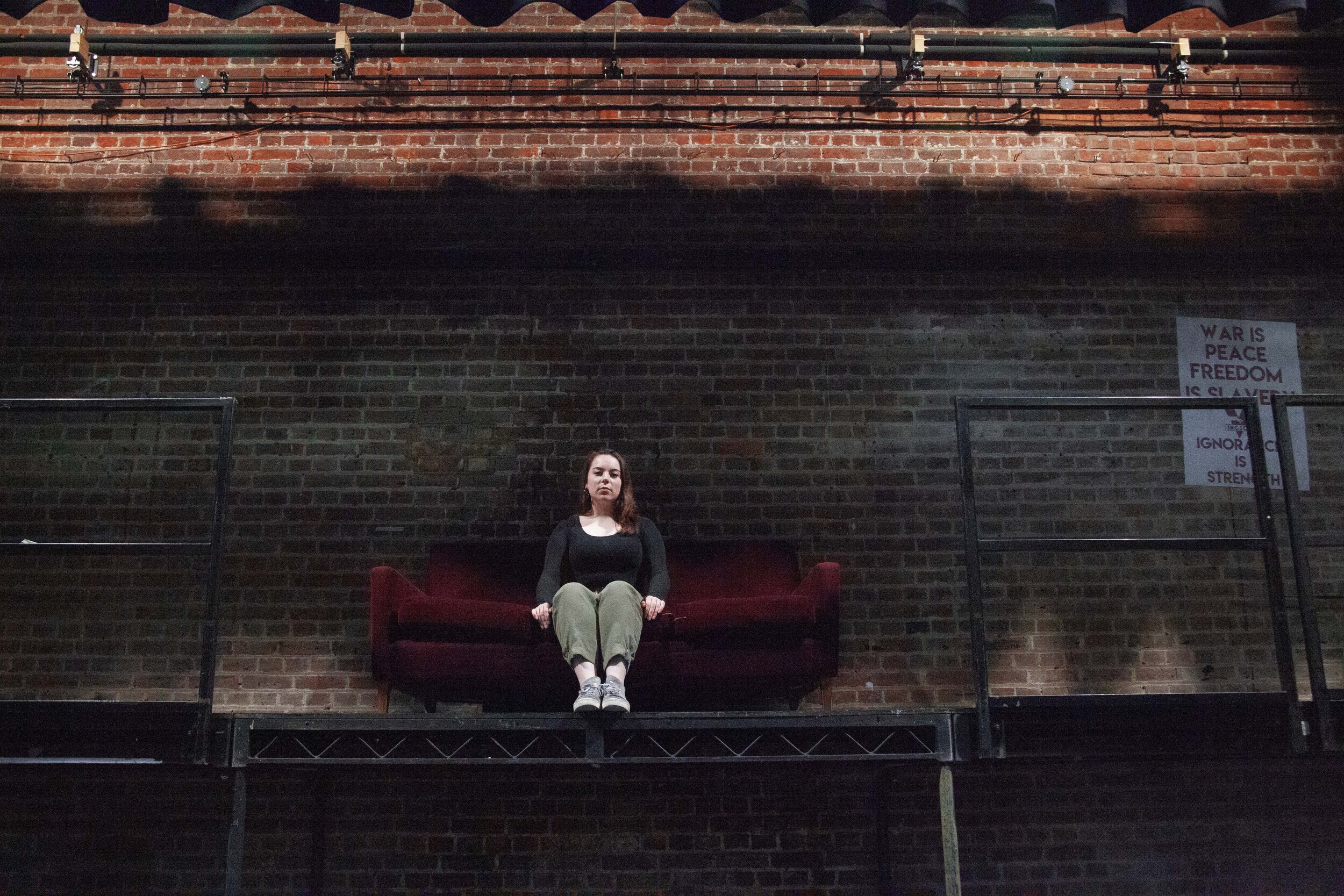
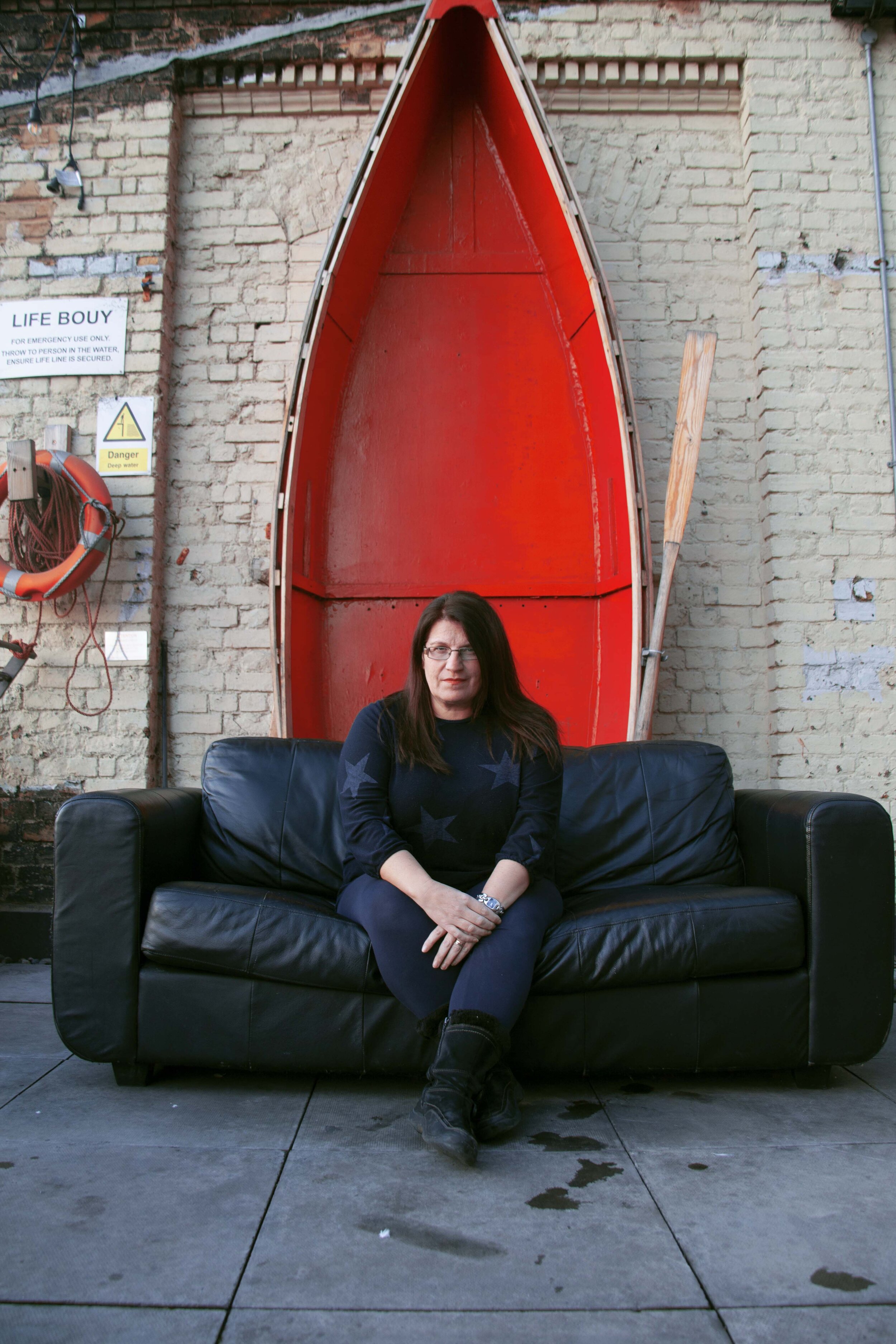
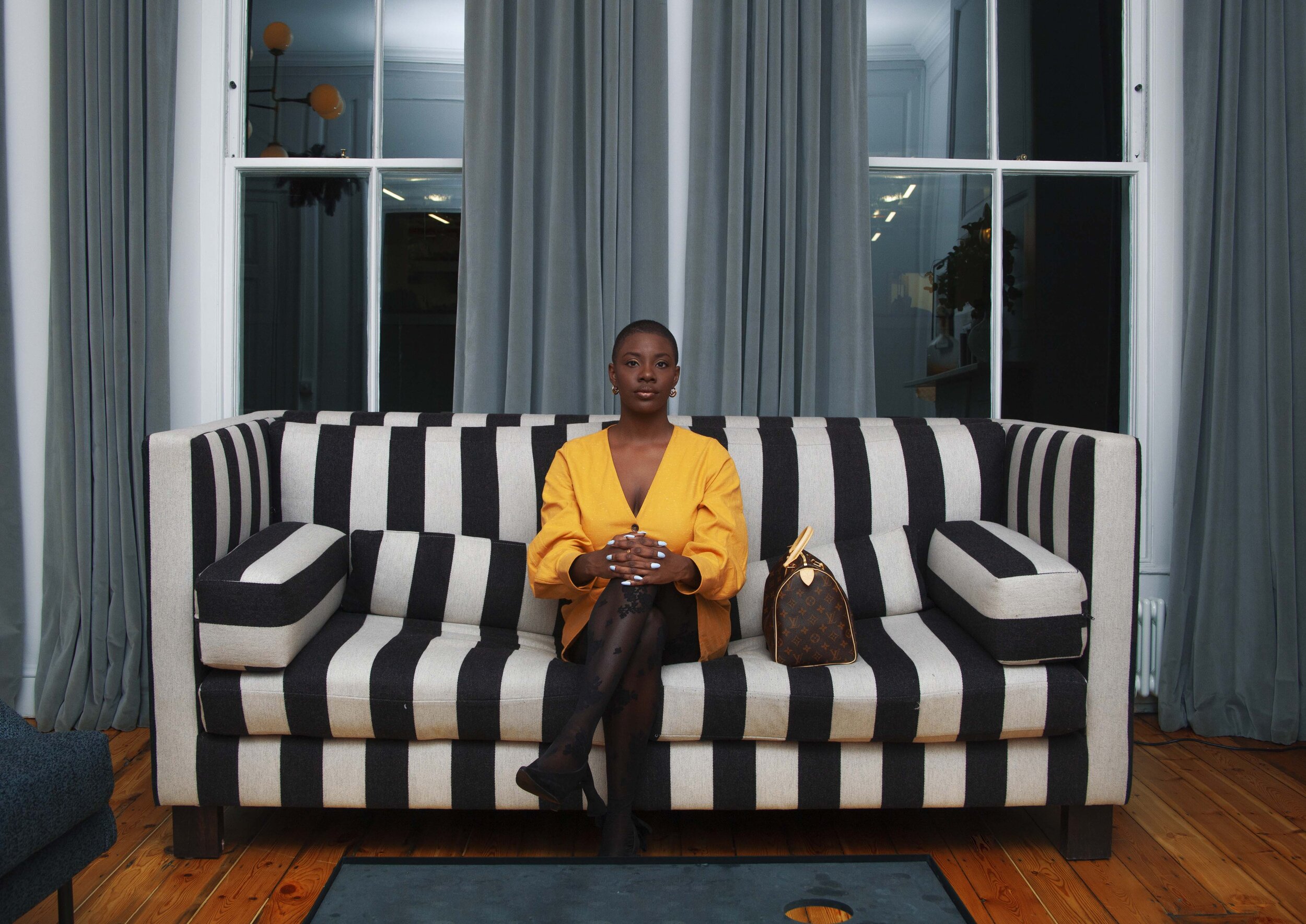
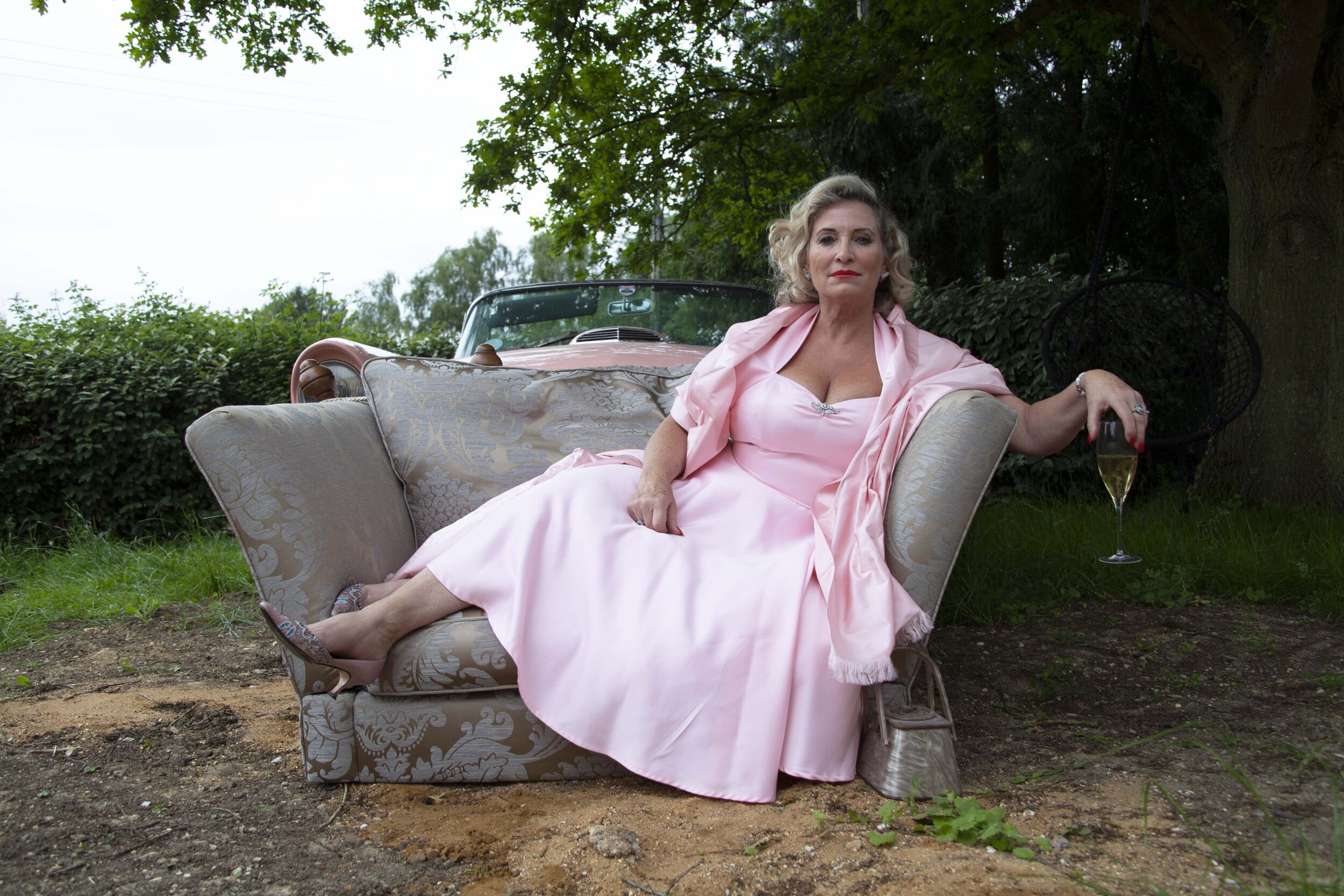
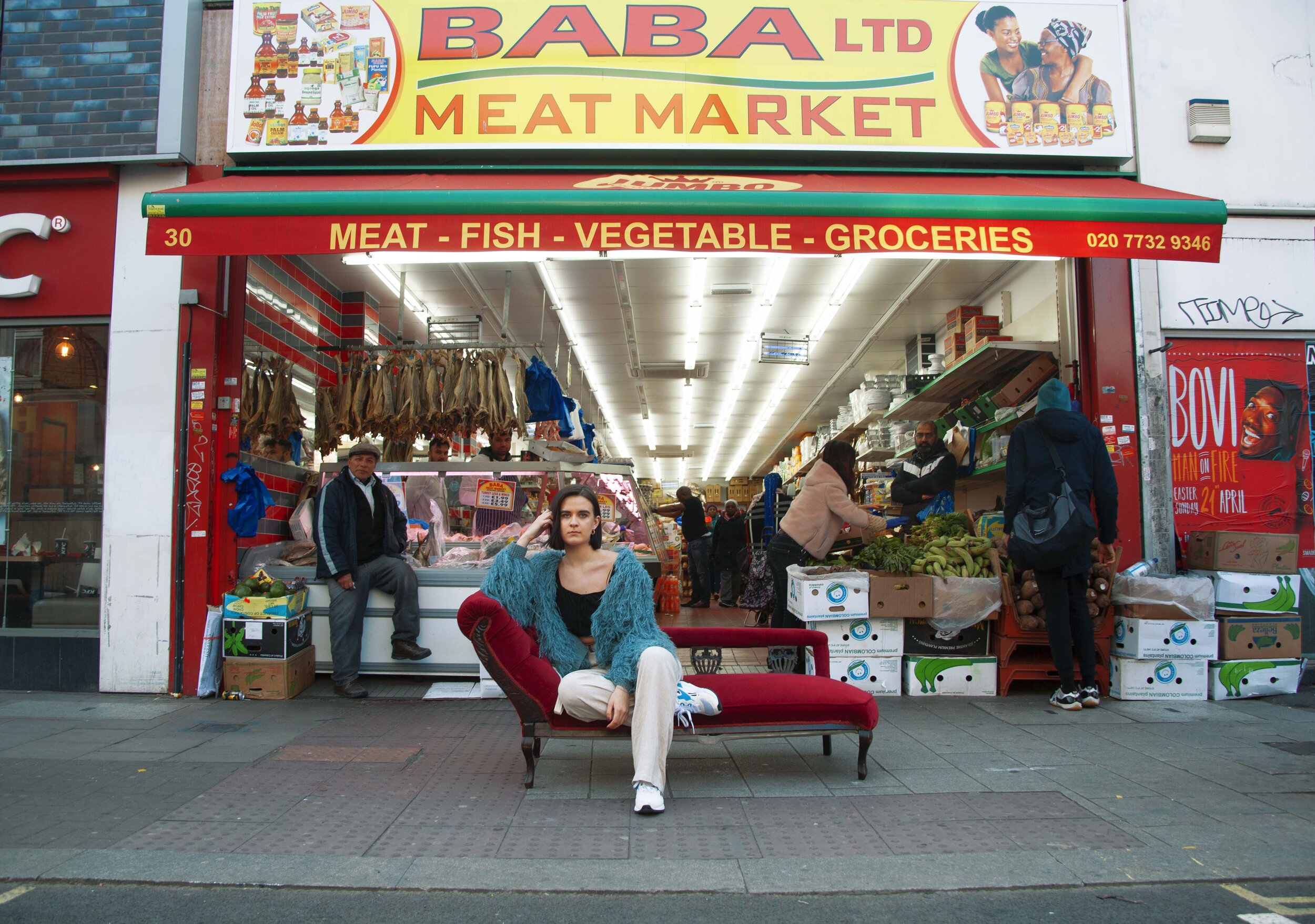
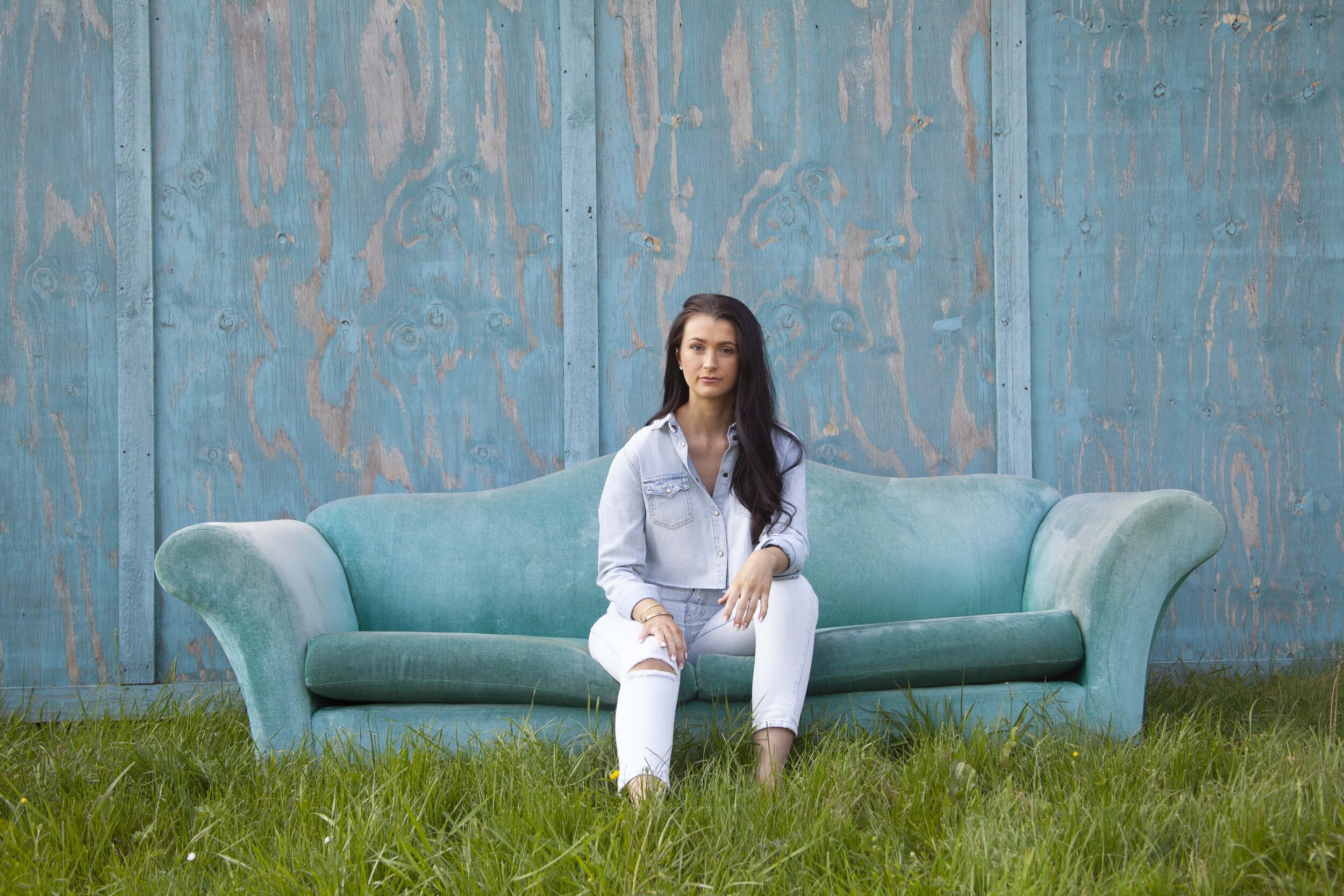
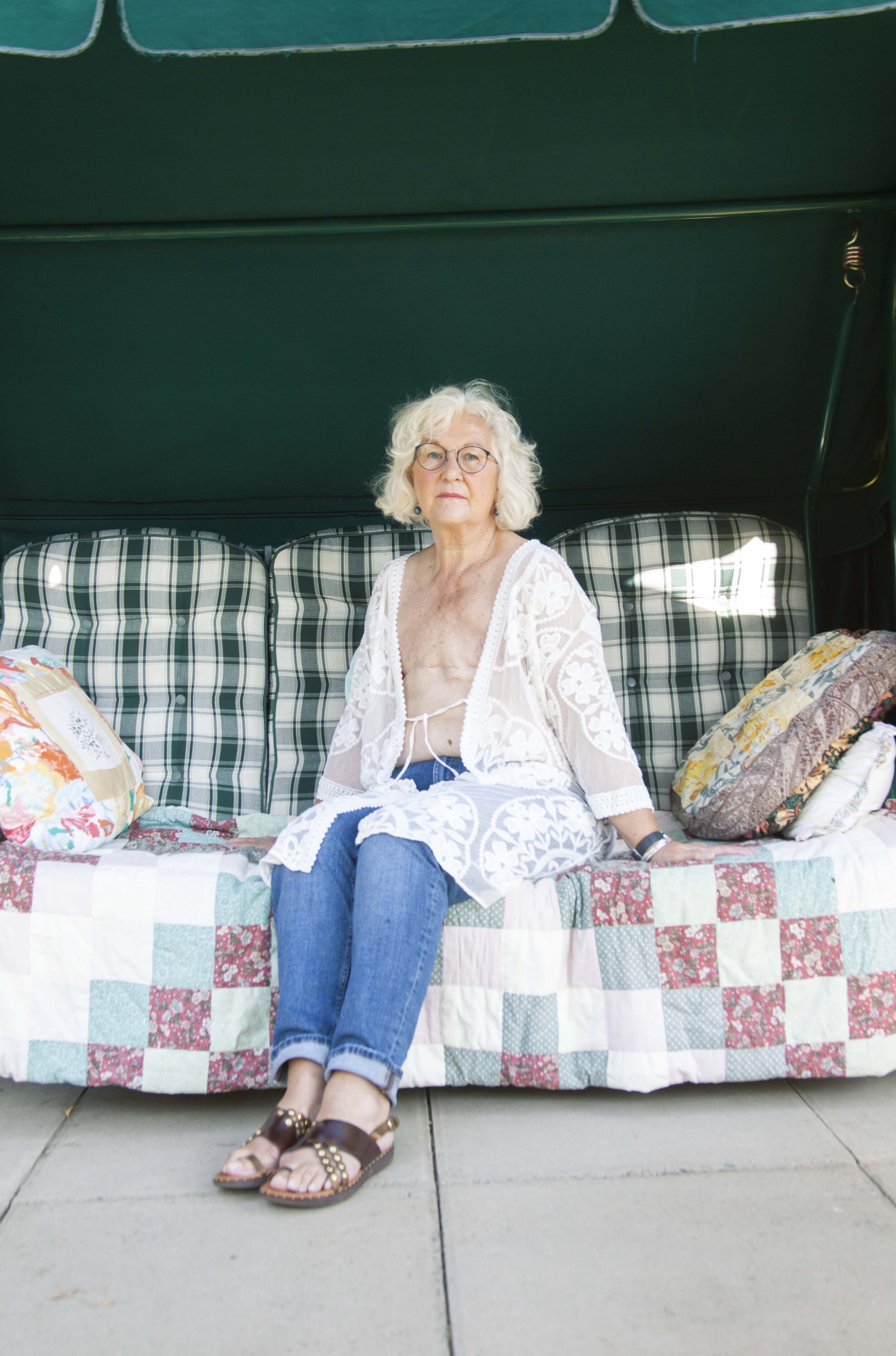
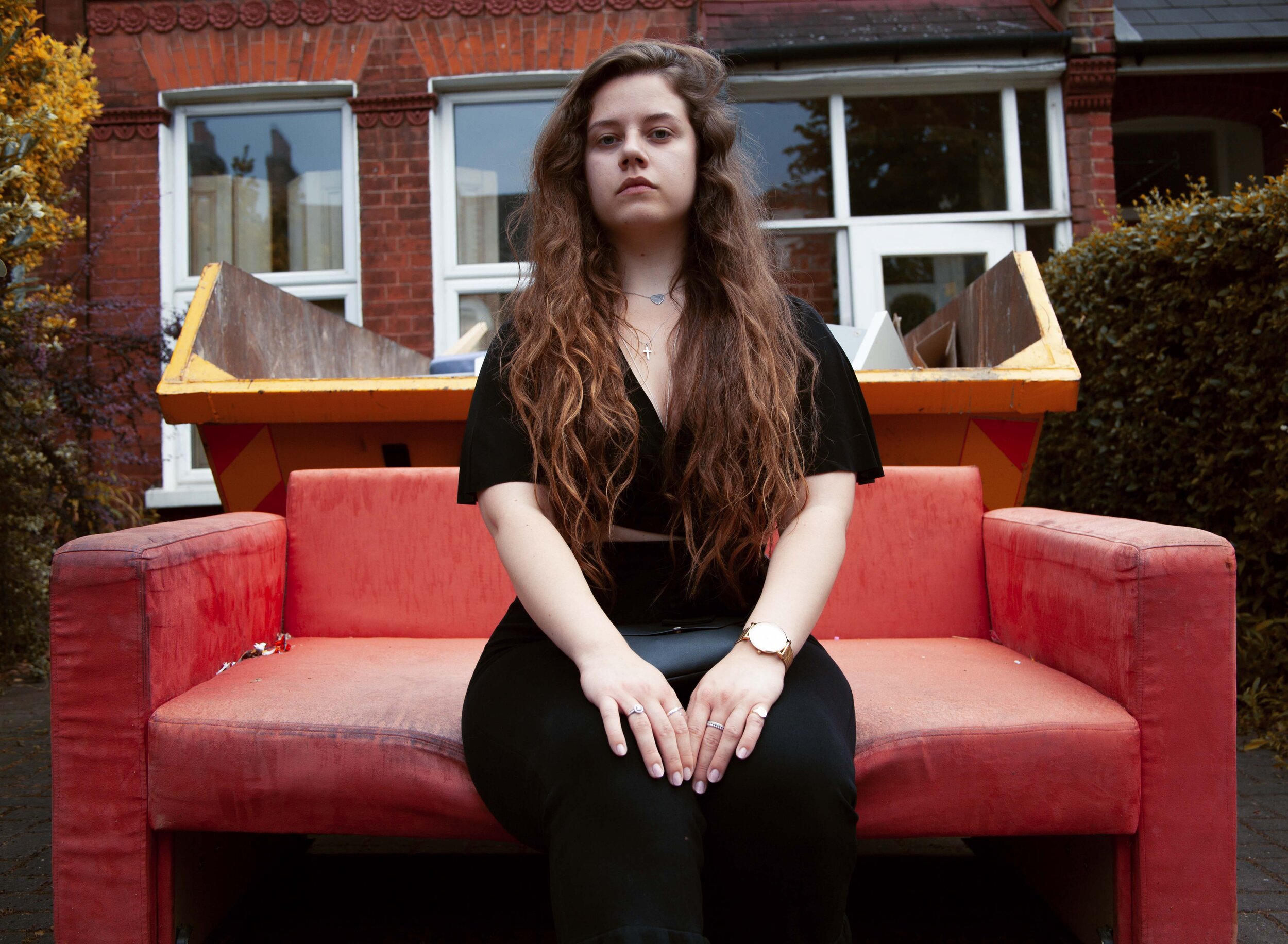
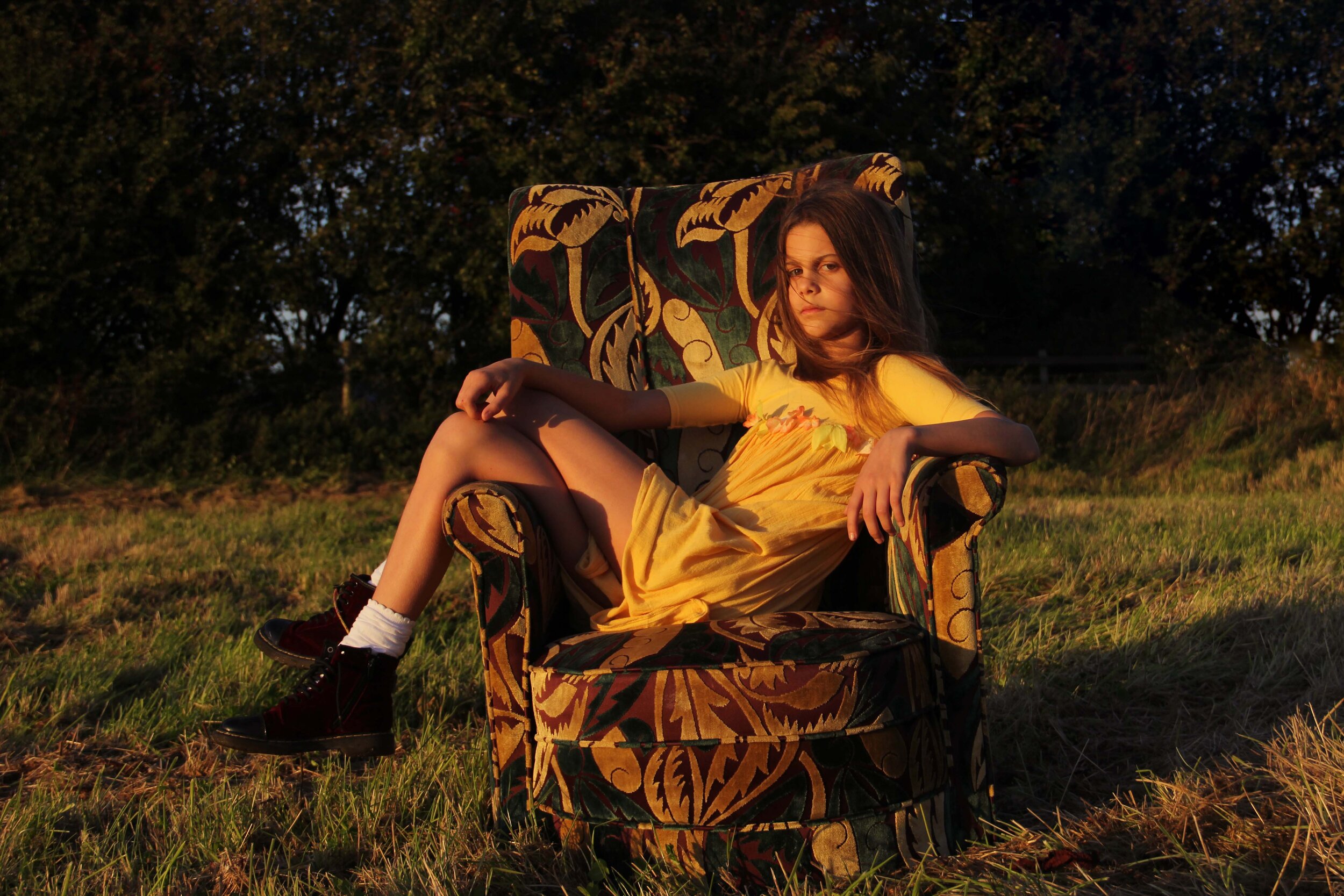
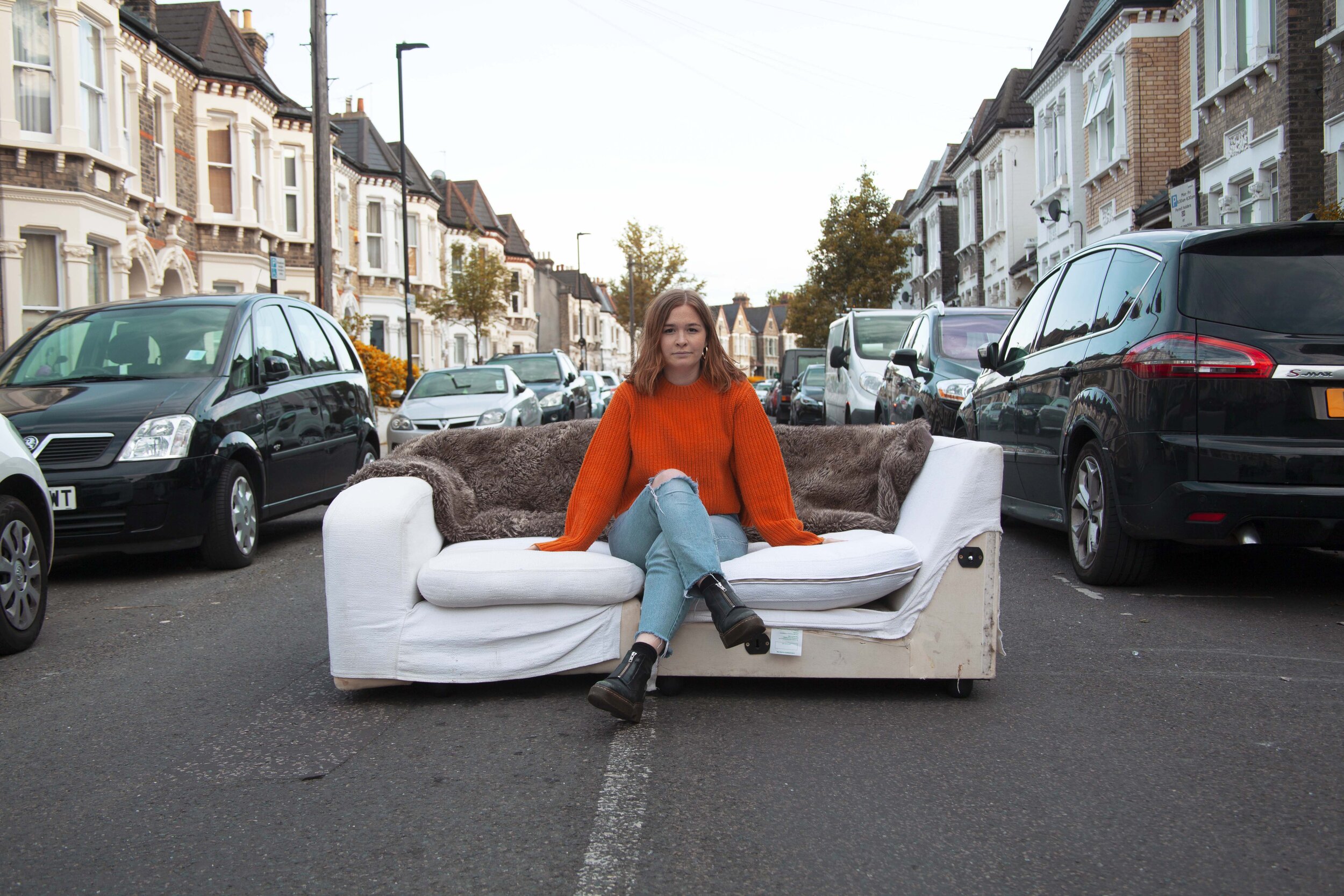
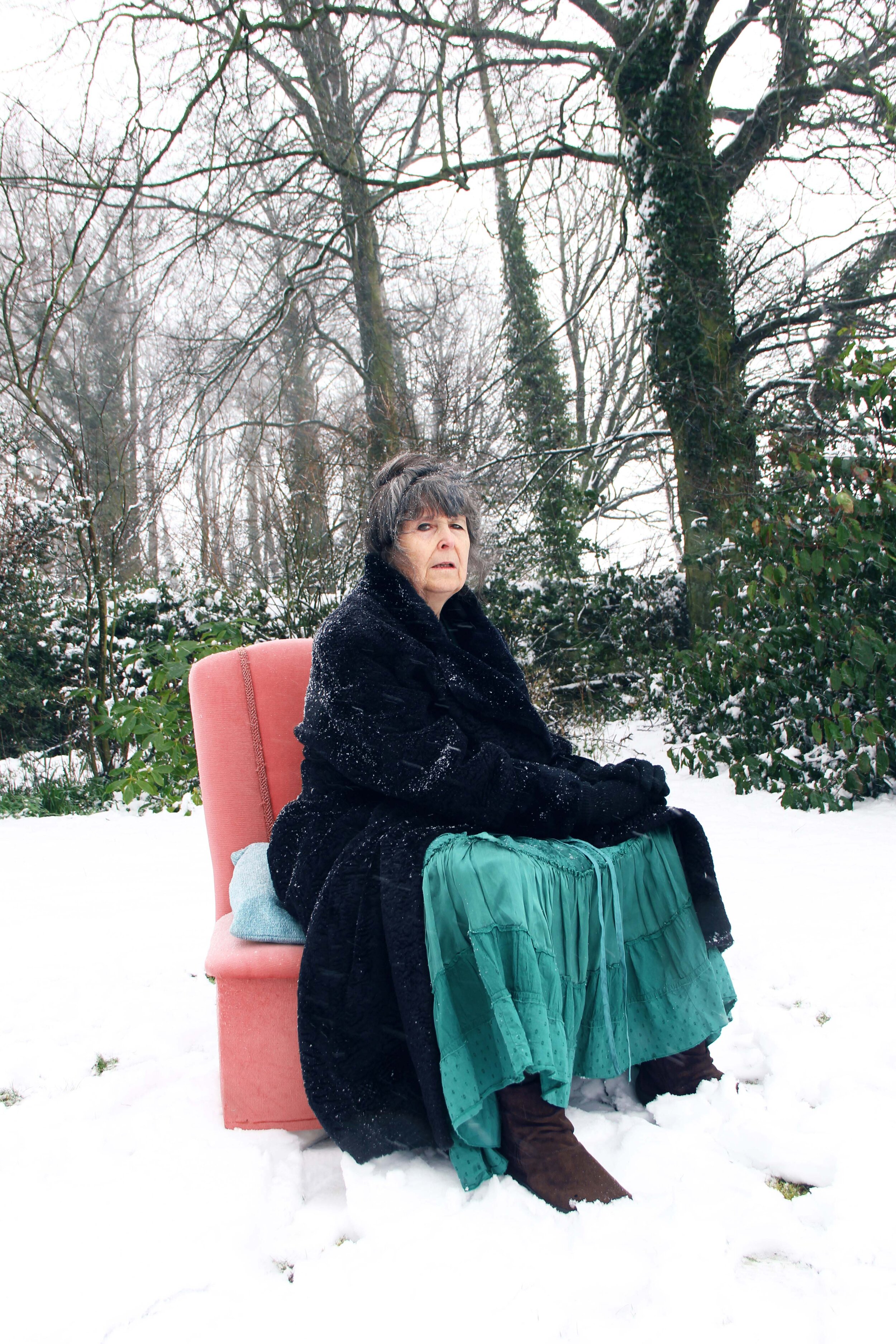
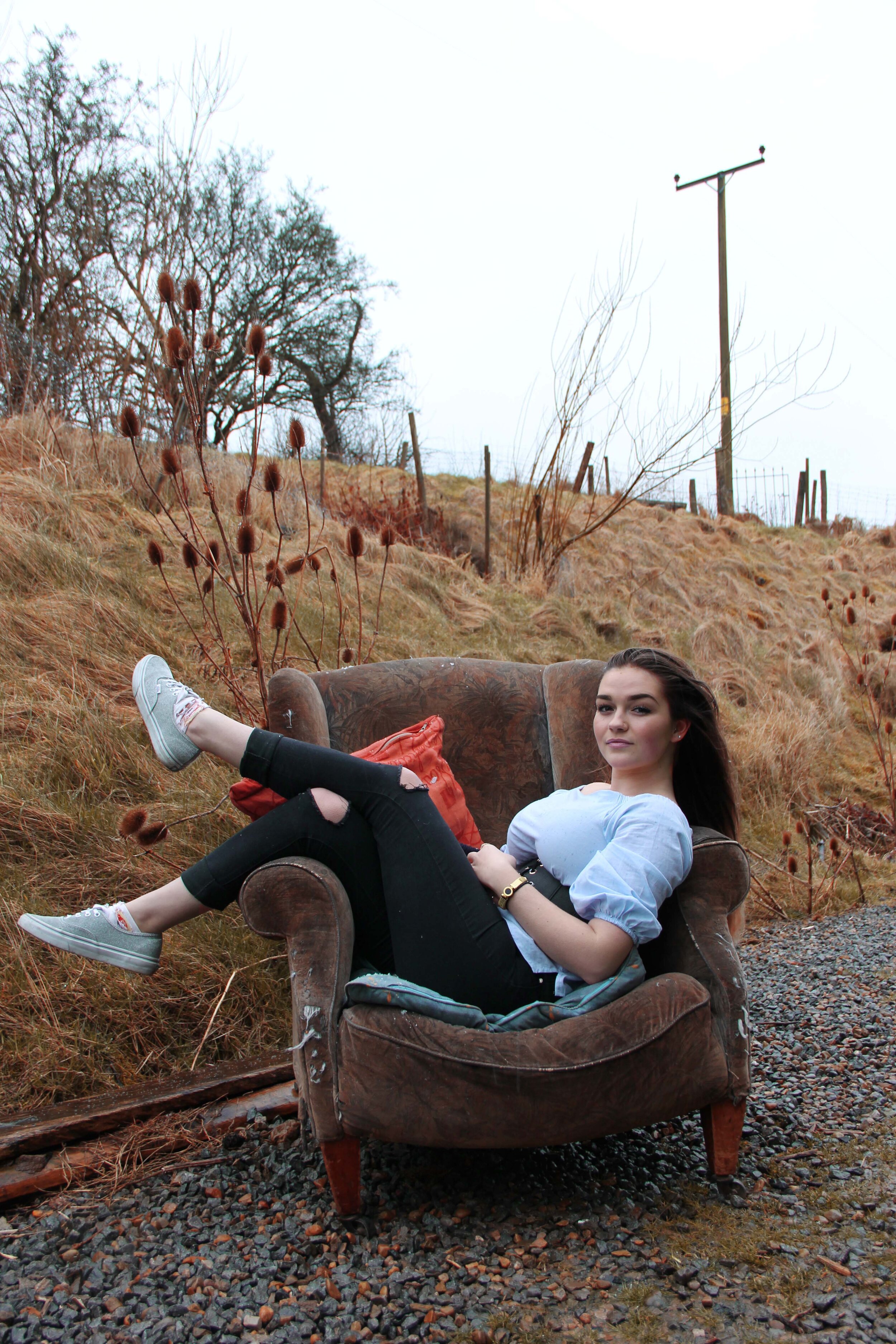
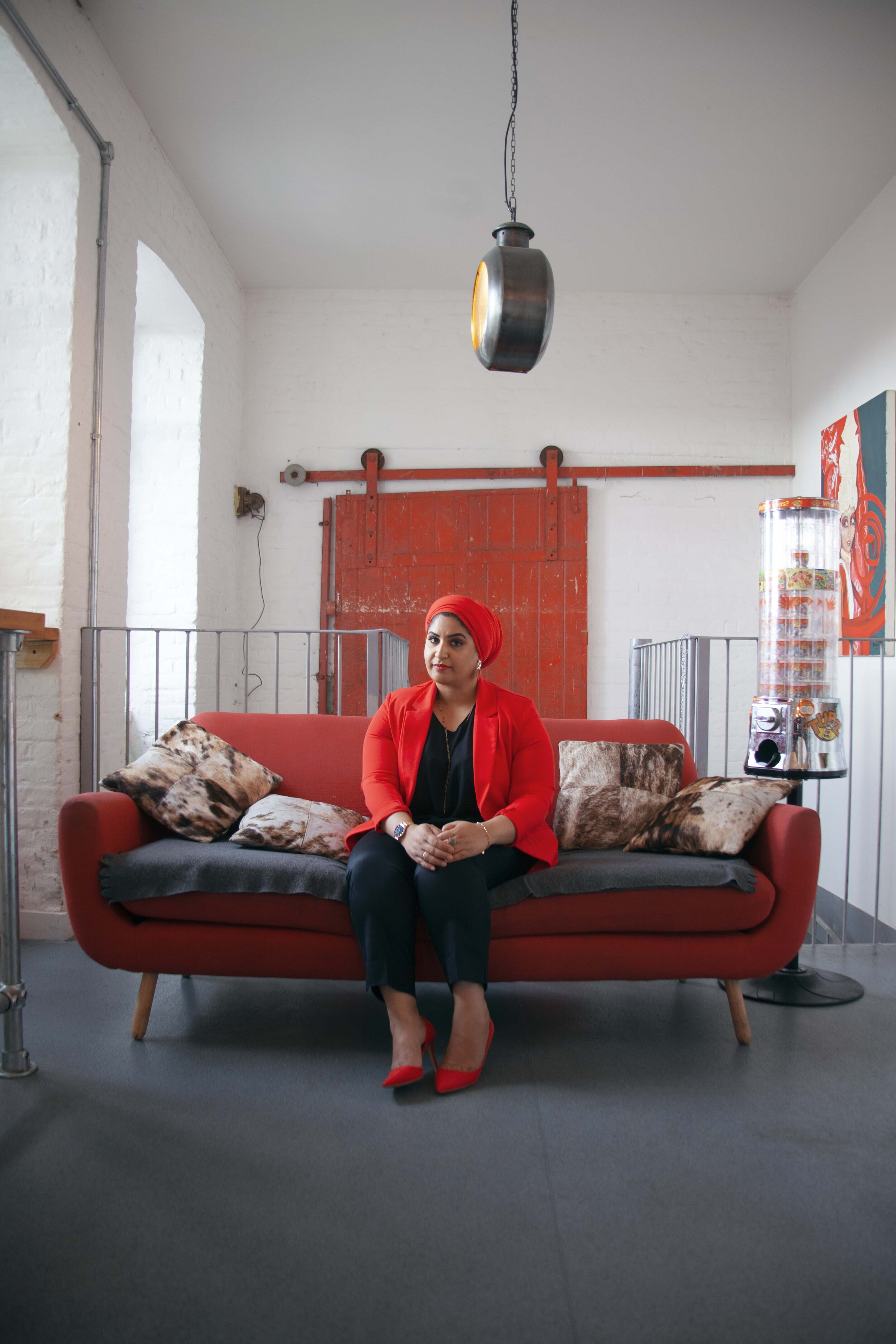
With Mother’s day fast approaching this Sunday, we’re starting off this week by celebrating Ruby Steele’s “Women on Sofas”. Ruby’s series challenges the Western traditions of domesticity and womanhood, exemplifying how “woman” and “the domestic” are not mutually exclusive terms designed to limit one another. Rather, the women in our lives are not only mothers, but are–”daughters, friends, strangers, writers, artists, models, priests, students, business women, entrepreneurs, musicians, actors, doctors, scientists, technicians”– and anything they choose to be.

- Alexa Fahlman


IMG_0027.jpg

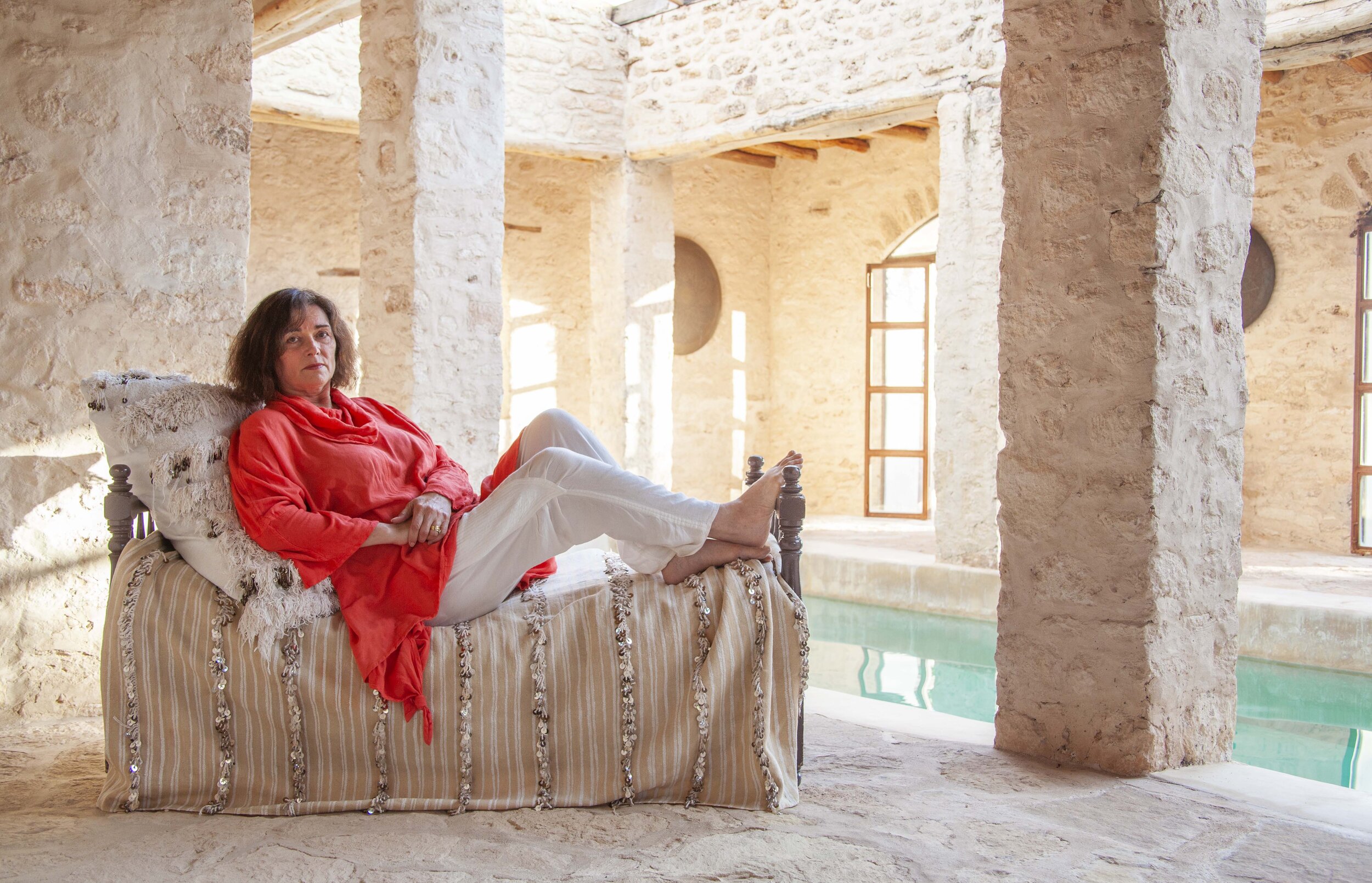
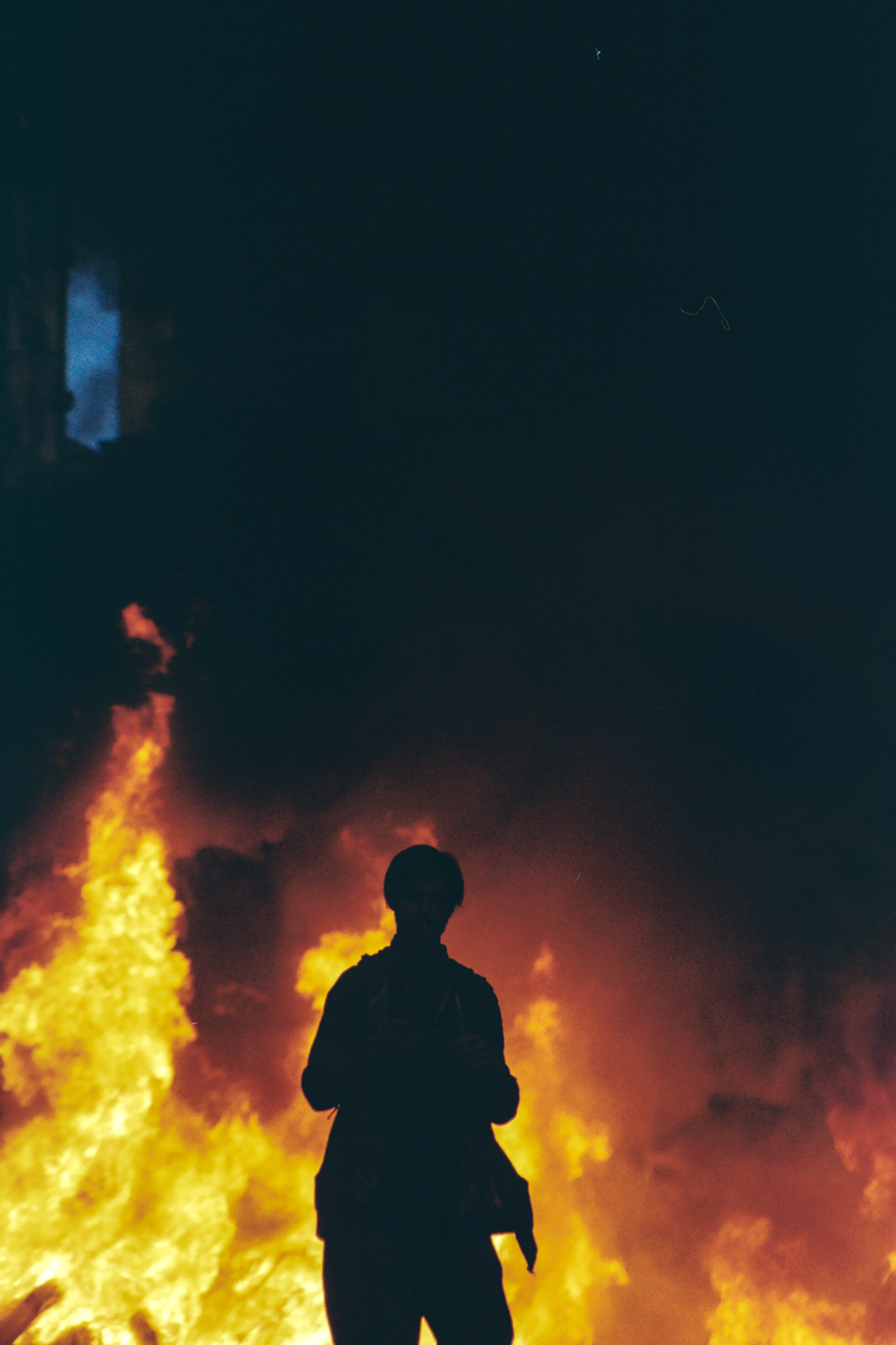
The domestic space is one we all understand. A home, no matter which way you view the word, involves spaces of conversation, activity and thought. Such spaces hold the potential for negativity and positivity. It is interesting to observe how a space holds itself for someone, and their emotional response to it. Feminist critique considers the human geography of space, both in the gendered nature of space and existing conceptualisations of space. A magnitude of diverse environments within our society differ in their pre- existing tendencies to welcome one gender or the other. Culturally, we are encouraged to adhere to this. “Women on Sofas” was driven by a curiosity about the space a woman occupies in contemporary western society. The work explores how we experience ourselves in the domestic and public arenas, whilst celebrating our diversity and power in unexpected ways. It looks at the pride and pleasure we take in our strength and resilience, and in challenging society’s expectations of us. In spite of growing freedoms in many areas of society over the past century, the domestic sphere is still often seen as women’s terrain. It is a space into which we are welcomed. It has been interesting to observe this space, disrupt it and take it beyond its ‘natural’ limits, whilst exploring our emotional response to it. The women come from diverse backgrounds and cultures which span eight decades. They are mothers, daughters, friends, strangers, writers, artists, models, priests, students, business women, entrepreneurs, musicians, actors, doctors, scientists and technicians. Women on Sofas was the project that offered me the opportunity to celebrate these women, both ones I knew and ones I was yet to meet. The sofa is more than a domestic object; it is imbued with symbolism and a rich history. It holds a familiarity and is an invitation for togetherness. These photographs bring that intimate space into the outside world and ask us to reconsider what it means to get comfortable, and feel safe. They also consider the social function of the sofa, and allow that function to broaden into the idea of bodily experience. The image of the sofa initially suggests inactivity. “Women on Sofas” works to challenge that. “Women on Sofas” says ‘I am in the world, I’ve made a surprising home here, and now I’d like to welcome you in.’

See more of ruby's work
FOLLOW RUBY

Alena Shilonosova - The Street of the Blind

As the weeks of uncertainty progress, I become more and more aware of both the luck and privilege which allow me to sit comfortably at an IKEA desk, and write to you each week. When I walk my dog down a quiet neighbourhood street, I pull my mask from my face to feel the fresh air coat my lungs. Just for a few seconds, a crisp inhale tells me I’m able and alive. Those of us, like myself, who interpret for a living, might feel as though we’ve exhausted our sensory apparatus’ trying desperately to comprehend the state of the world–in fact, we probably have. However, as painful as exhaustion may feel, it reminds me, like breathing, that I’m still alive, and that being able to feel anything at all is something to be grateful for.

Our senses are often one of the things we take for granted the most in life. Here, Alena Shilonosova takes us through Rusinovo, a street of the blind and visually impaired in the town of Ermolino, Kaluga, Russia. Her work explores a community of those regarded as “invalid”, their day to day lives, and their hardships.

- Alexa Fahlman


Until 1995, Rusinovo was a separate village where the visually impaired were sent from different regions of the Soviet Union. In 1948, the basic enterprise for the blind and visually impaired was built here. The main activity of those in the village was the installation of boards for TVs called "Rubin". After the political rearrangement, the development of the village stopped and the construction of new houses and a rehabilitation centre were frozen. The village was attached to the town called Ermolino, and became what is now a separate street situated five km away from the city, where people without visual impairment also live. Nowadays, the blind spend their time in a workshop, manufacturing “RUSiNovoPak", a collection of medical pipettes. However, it’s considered unprofitable for the enterprise, therefore in the neighbouring workshop, people without disabilities produce cardboard to help cover the losses of the workshop for the blind. Since the Soviet times, there has been an assembly hall in the production building, where the choir of the blind, a library and a gym have organized for many years. The blind and visually impaired live in several five-storey houses; there are private houses behind them on the street and it looks as if it were a street in the usual village.The residents know very well where everything is situated. They are able to get to the shops, to the production building and to the post. If it is needed, neighbouring people will help without hesitation. The larger half of the blind in Rusinovo are seniors who moved here during the Soviet period; children who were born with a full vision have left. In total there are 115 blind and visually impaired people in Rusinovo.

Alexander Rakovich works as Chairman of the society of the blind in Borovsky district. He lost his vision at the age of five because of flu complications. He works in Rusinovo and lives in the neighbouring town of Balabanovo, where he also runs the …

Alexander Rakovich works as Chairman of the society of the blind in Borovsky district. He lost his vision at the age of five because of flu complications. He works in Rusinovo and lives in the neighbouring town of Balabanovo, where he also runs the business.

The evening meeting in the library devoted to A. I. Solzhenitsyn.

The evening meeting in the library devoted to A. I. Solzhenitsyn.

In 1942, the house of Victor Sergeyevich Solovyov in Prudischi village in Kaluga region was bombed by an airplane: Victor’s entire family was injured by the glass. Victor received an invitation from the Society of the blind and moved to Rusinovo in …

In 1942, the house of Victor Sergeyevich Solovyov in Prudischi village in Kaluga region was bombed by an airplane: Victor’s entire family was injured by the glass. Victor received an invitation from the Society of the blind and moved to Rusinovo in 1954. After the incident, he had residual vision, but eventually lost it completely.

Alexander removes the toys from the Christmas tree after the New Year holidays.

Alexander removes the toys from the Christmas tree after the New Year holidays.

The production building has a daily standard of 2400 pipettes per shift. Employees say that there is almost no work that should be done. Someone finishes the daily standard before the work shift is over and leaves early. Moreover, the work week is s…

The production building has a daily standard of 2400 pipettes per shift. Employees say that there is almost no work that should be done. Someone finishes the daily standard before the work shift is over and leaves early. Moreover, the work week is shorter than most - people work just 4 days per week.

Natalia Vyacheslavovna Belopuhova was born in Rusinovo and lives there till now. Vision problems were inherited from her blind parents.

Natalia Vyacheslavovna Belopuhova was born in Rusinovo and lives there till now. Vision problems were inherited from her blind parents.

The first and the last steps of the stairs are marked in yellow color for visually impaired.

The first and the last steps of the stairs are marked in yellow color for visually impaired.

Sergey Valentinovich Ivanov has been blind since he was born. It was inherited from his visually impaired father. When someone asks Sergey if he wants to be sighted, he answers, “How is it possible to want something that I don’t know?”

Sergey Valentinovich Ivanov has been blind since he was born. It was inherited from his visually impaired father. When someone asks Sergey if he wants to be sighted, he answers, “How is it possible to want something that I don’t know?”

Daily routine helps the residents navigate. Many can easily find the right way through Rusinovo just by using touch.

Daily routine helps the residents navigate. Many can easily find the right way through Rusinovo just by using touch.

The residents go to the libraries to read books in Braille and listen to audiobooks on flash drives. Sometimes there are literary evenings: a librarian invites a lecturer from Borovsk, which is situated close by, to read the biographies of writers a…

The residents go to the libraries to read books in Braille and listen to audiobooks on flash drives. Sometimes there are literary evenings: a librarian invites a lecturer from Borovsk, which is situated close by, to read the biographies of writers and their works aloud.

Ivan Sergeyevich Hripunov moved to Rusinovo with his family when he was 40 years old. At that time, his vision was gradually lost.

Ivan Sergeyevich Hripunov moved to Rusinovo with his family when he was 40 years old. At that time, his vision was gradually lost.

Table tennis for the visually impaired called “Showdown” reminds me of air hockey, where people are guided only by hearing and touch. The blindfold makes the game equal between the participants with residual vision and the blind.

Table tennis for the visually impaired called “Showdown” reminds me of air hockey, where people are guided only by hearing and touch. The blindfold makes the game equal between the participants with residual vision and the blind.

A guide made of rubber tracks serve to and from the production building. They lead from the first floor of the building to the workshop on the third floor.

A guide made of rubber tracks serve to and from the production building. They lead from the first floor of the building to the workshop on the third floor.

Agadzhan Kakadzhanovich Khanov or just Alek, as the locals call him. He has lived in Rusinovo since he was 23. He lost his vision after an accident.

Agadzhan Kakadzhanovich Khanov or just Alek, as the locals call him. He has lived in Rusinovo since he was 23. He lost his vision after an accident.

Residents from Rusinovo do not go outside on their own. Their children and relatives help. They have a habit of going to a few shops where the shop assistants help them without cheating, they don’t go to a self-service supermarket alone. They go the…

Residents from Rusinovo do not go outside on their own. Their children and relatives help. They have a habit of going to a few shops where the shop assistants help them without cheating, they don’t go to a self-service supermarket alone. They go there very rarely and only with the relatives.

On the opposite side of the production for the blind there are greenhouses where flowers are grown. Only people without disabilities work there.

On the opposite side of the production for the blind there are greenhouses where flowers are grown. Only people without disabilities work there.

Follow Alena
See more on her website

Gideon de Kock - Short Stories

A subtle look at contemporary Hong Kong, Gideon de Kock’s “Short Stories” is an ongoing project now encompassing almost 5 years worth of street and documentary film photography. He writes to me stuck from his family home in Somerset West, South Africa. What was meant to be a short family visit with his girlfriend, subsequently turned into a 4-week lock-down and self-isolation period, where he now waits until further notice to return to Hong Kong.

- Alexa Fahlman


My personal depiction and documentation of Hong Kong started around the time I picked up my first camera as an adult. I had just moved to the city after 18 months in Mainland China - the "small" city of Taizhou to be specific - in the capacity of an English teacher. As a musician prior to all of this, I was unable to pursue this passion due to unfamiliarity with the new environment, moving around, and lack of an "in" into the musical community, if you will. 

I like to walk, as a result I like to explore, and out of the need for a creative outlet came photography - a comfortable addition to an already solitary and somewhat insular habit. Hong Kong is such a visually stimulating city I couldn't help but find things to photograph. I feel many parts of Hong Kong are unrepresented to an outsider, or expat like myself, and so I took it upon myself to document. In hindsight, I was simply looking for answers to unknown questions at an uncertain point in my life, and the depiction of an underrepresented Hong Kong and an invisible working-class demographic became a vessel for this. Inevitably, it became an ongoing project themed around empathy; empathy for others and your environment - the place you currently call home. I was never interested in capturing "grand gestures"– moments of awe and wonder–as I've always been enamored by the beauty of subtlety. 

As in many cities like Hong Kong the pace of living and work can be taxing on the individual, and it becomes too easy to be sucked into an environment and routine where we look outward for sustenance, beauty and pleasure; our blinkers tightly secured against the mundanity of the constant. Some don't see their homes any more, they don't truly *see* their neighbors. This documentation eventually formed the foundation of my first solo photo book Some Near Some Far.

These images are here to remind us of what we’re missing when we lack attention; moments of the surreal, moments of humour, moments of beauty–all grandiose in their near invisibility–lost were we to not pay a modicum of attention. Hong Kong has had a turbulent time since the Umbrella Revolution back in 2014, to the ongoing Extradition protests in 2019, and now we’re all sharing the burden of the current COVID-19 pandemic. 

These “short stories” lack context because they’re rich enough for you to craft your own narrative. They’re here to encourage empathy for your fellow people and place, to develop a deeper understanding that we’re all sharing so much, but these photos are also filled with nuance that requires understanding and patience to wholly grasp. On the most surface of levels, these are really just beautiful vignettes of a vibrant and dynamic city, captured on 35mm film.

BROADWAY_SUBMISSION_GDK (1).jpg
BROADWAY_SUBMISSION_GDK (2).jpg
BROADWAY_SUBMISSION_GDK (3).jpg
BROADWAY_SUBMISSION_GDK (4).jpg
BROADWAY_SUBMISSION_GDK (5).jpg
BROADWAY_SUBMISSION_GDK (6).jpg
BROADWAY_SUBMISSION_GDK (7).jpg
BROADWAY_SUBMISSION_GDK (8).jpg
BROADWAY_SUBMISSION_GDK (9).jpg
BROADWAY_SUBMISSION_GDK (10).jpg
BROADWAY_SUBMISSION_GDK (11).jpg
BROADWAY_SUBMISSION_GDK (12).jpg
Follow Gideon on Instagram
See MORE OF GIDEON'S WORK

Jin Liu - Fiction

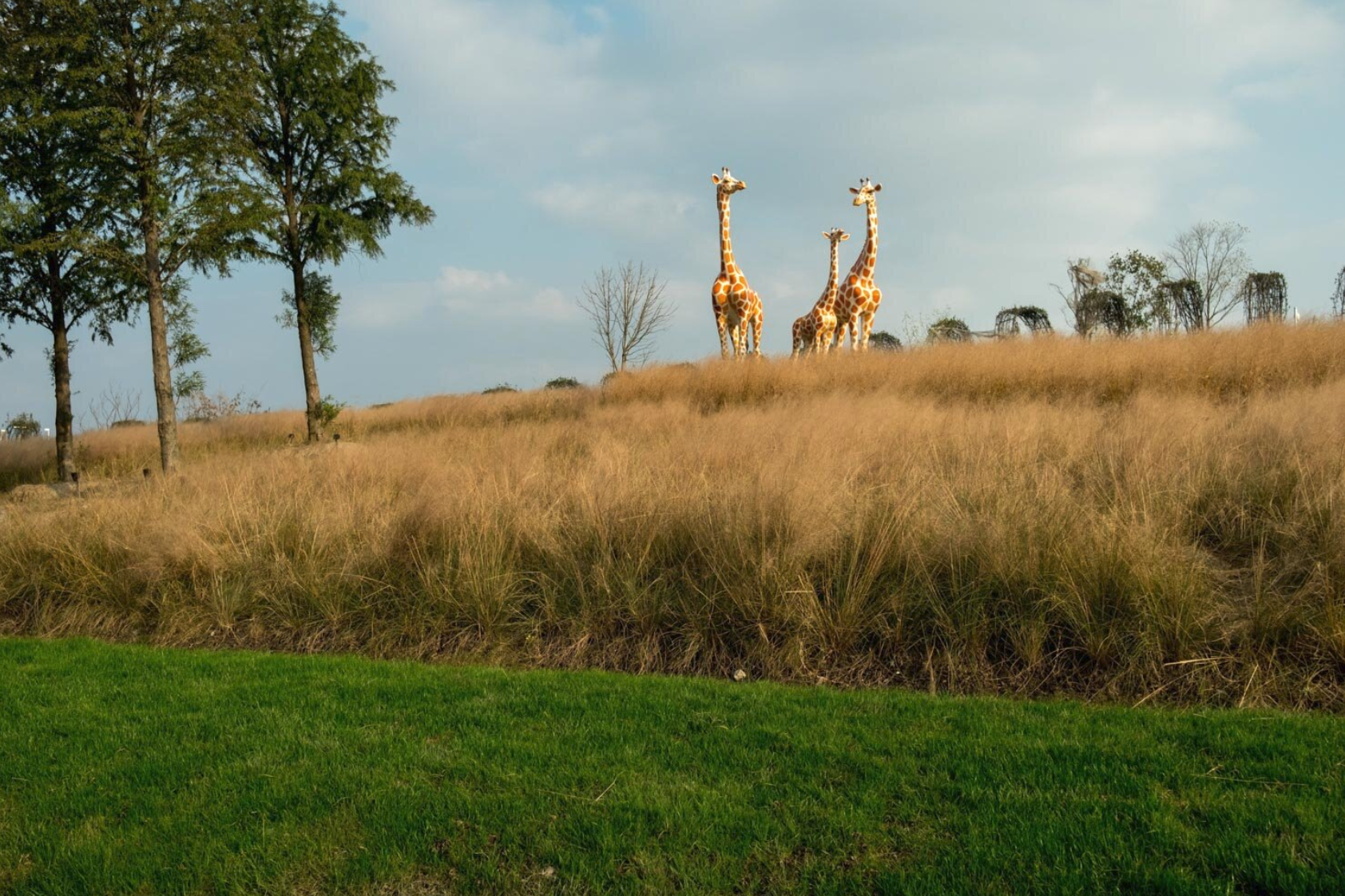
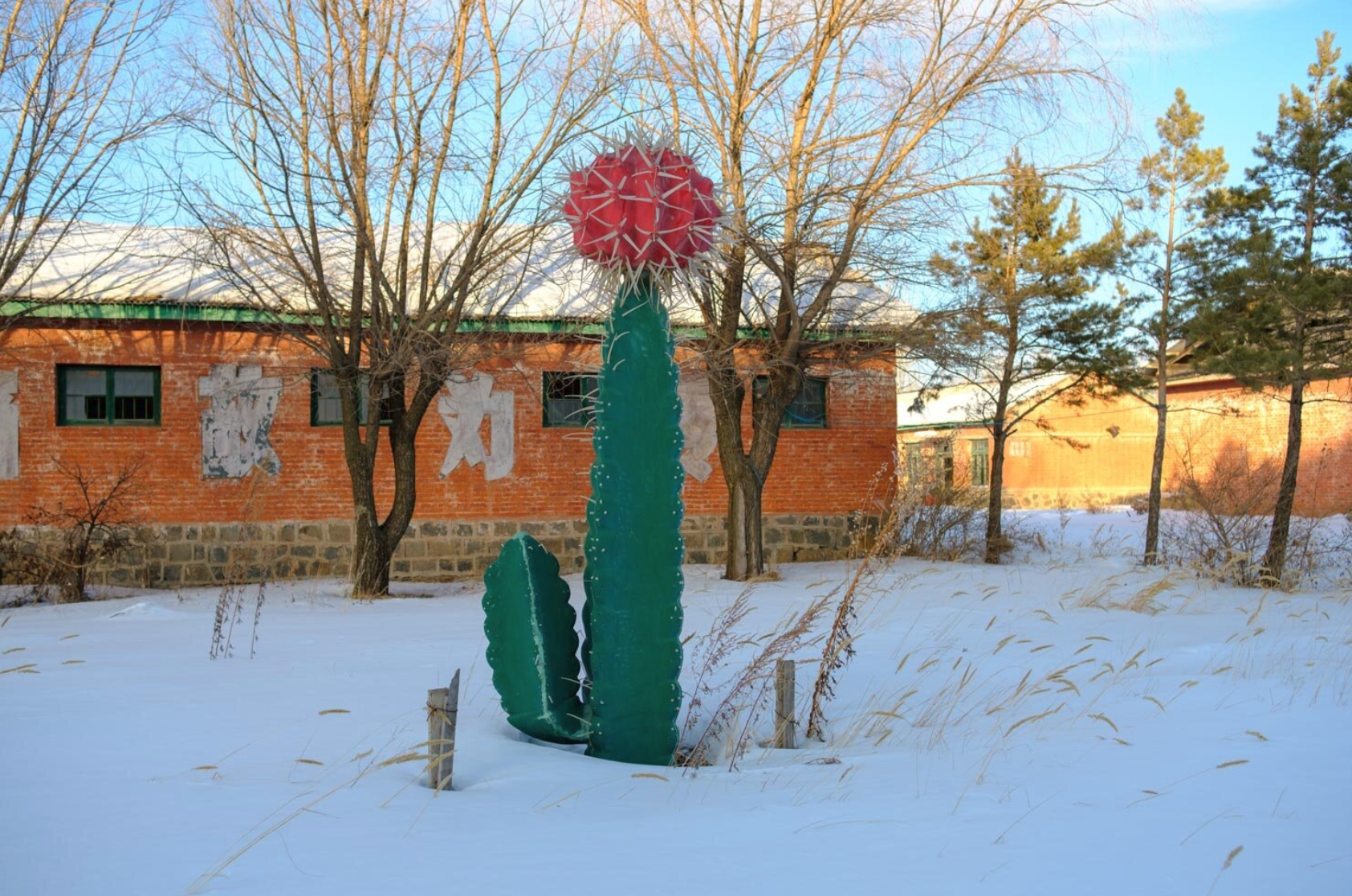
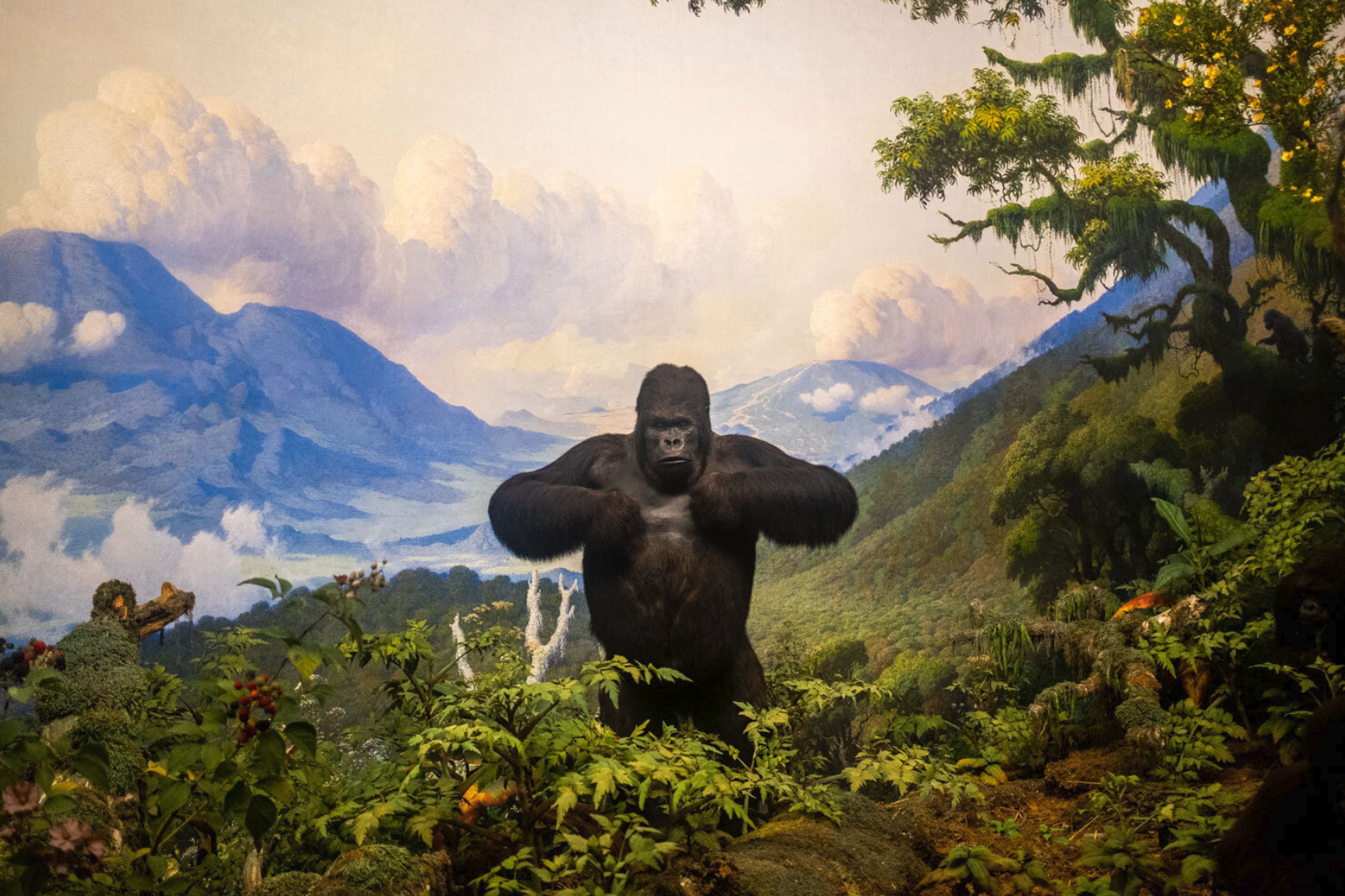
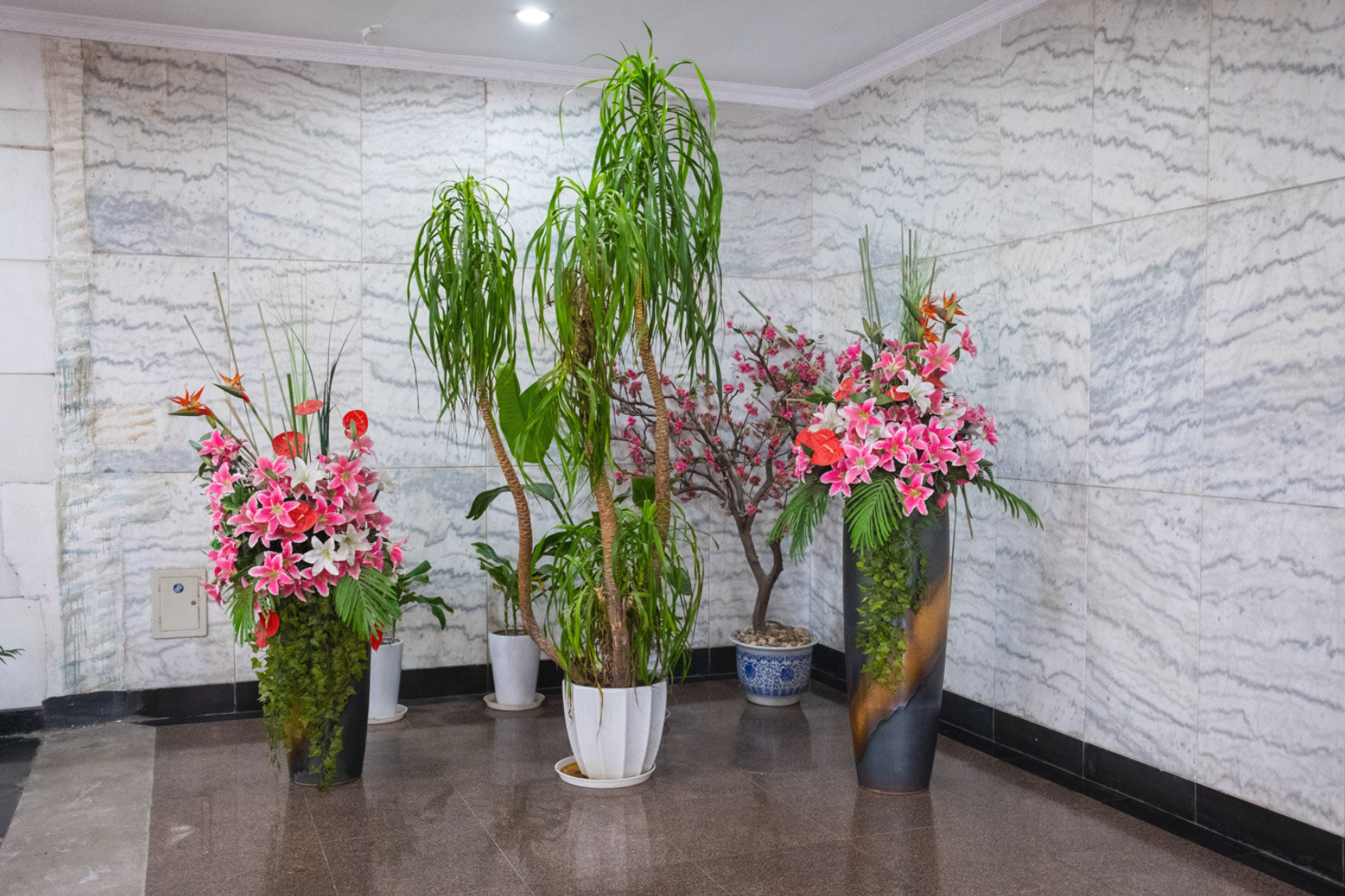
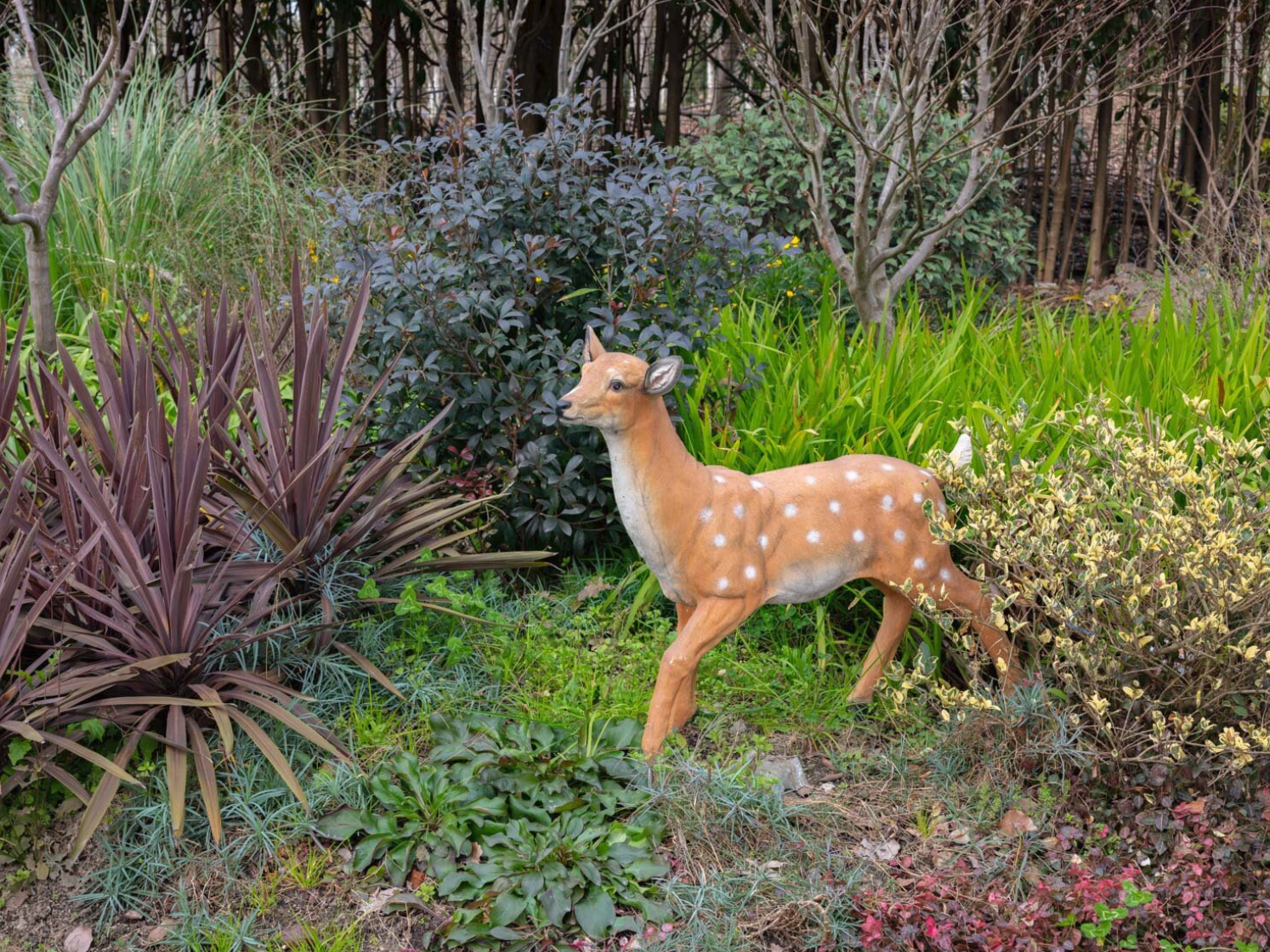
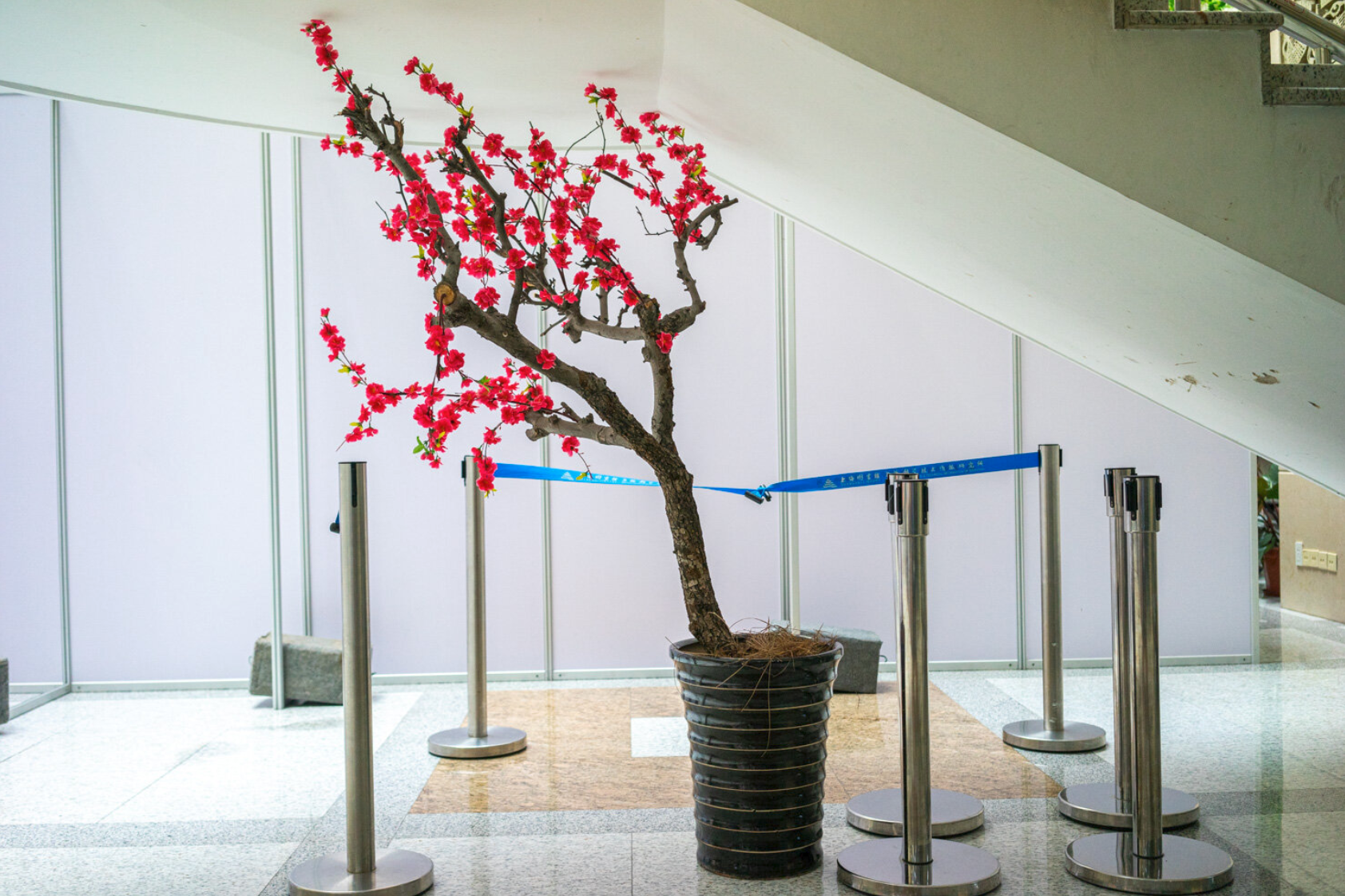
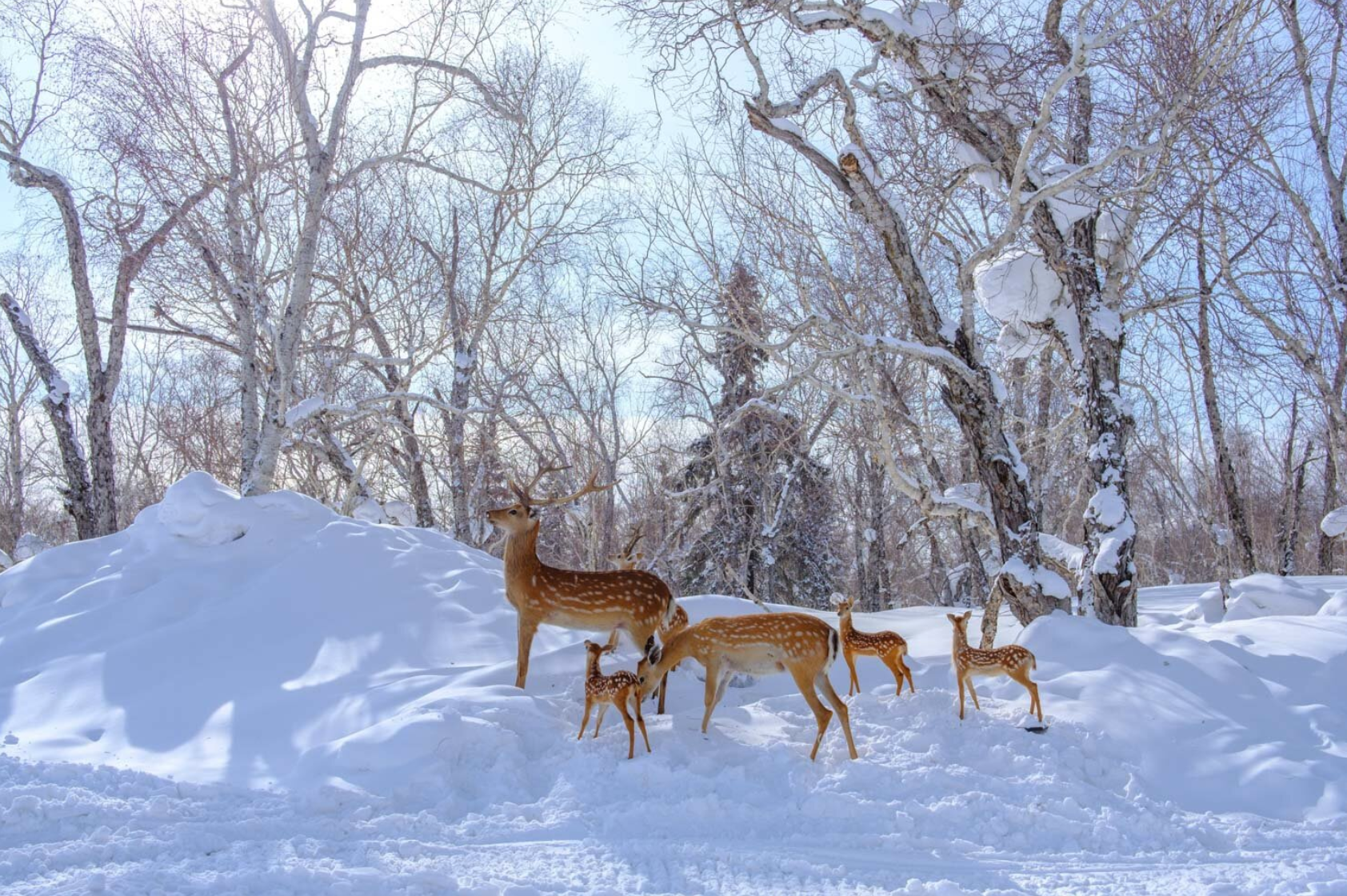
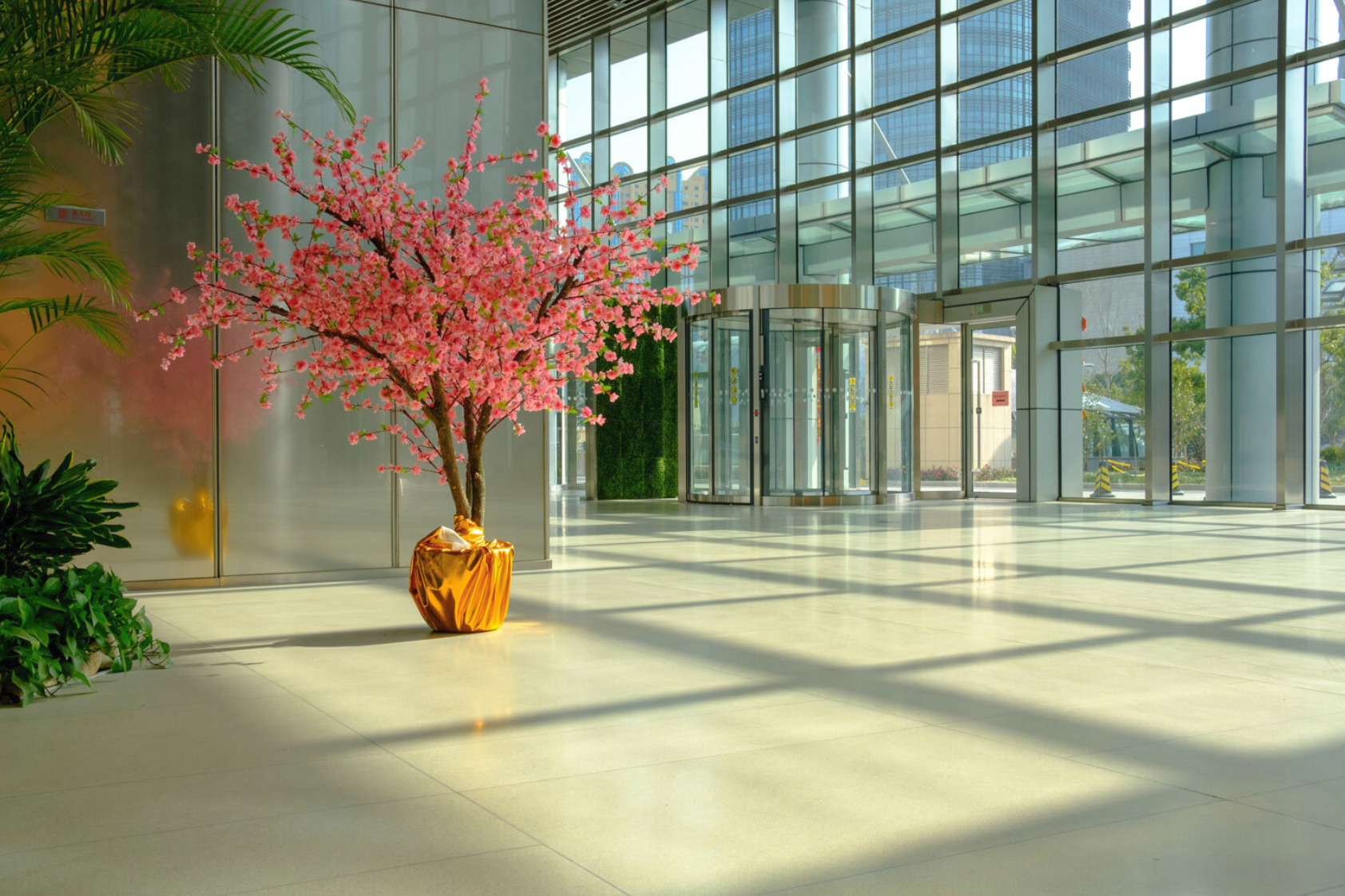
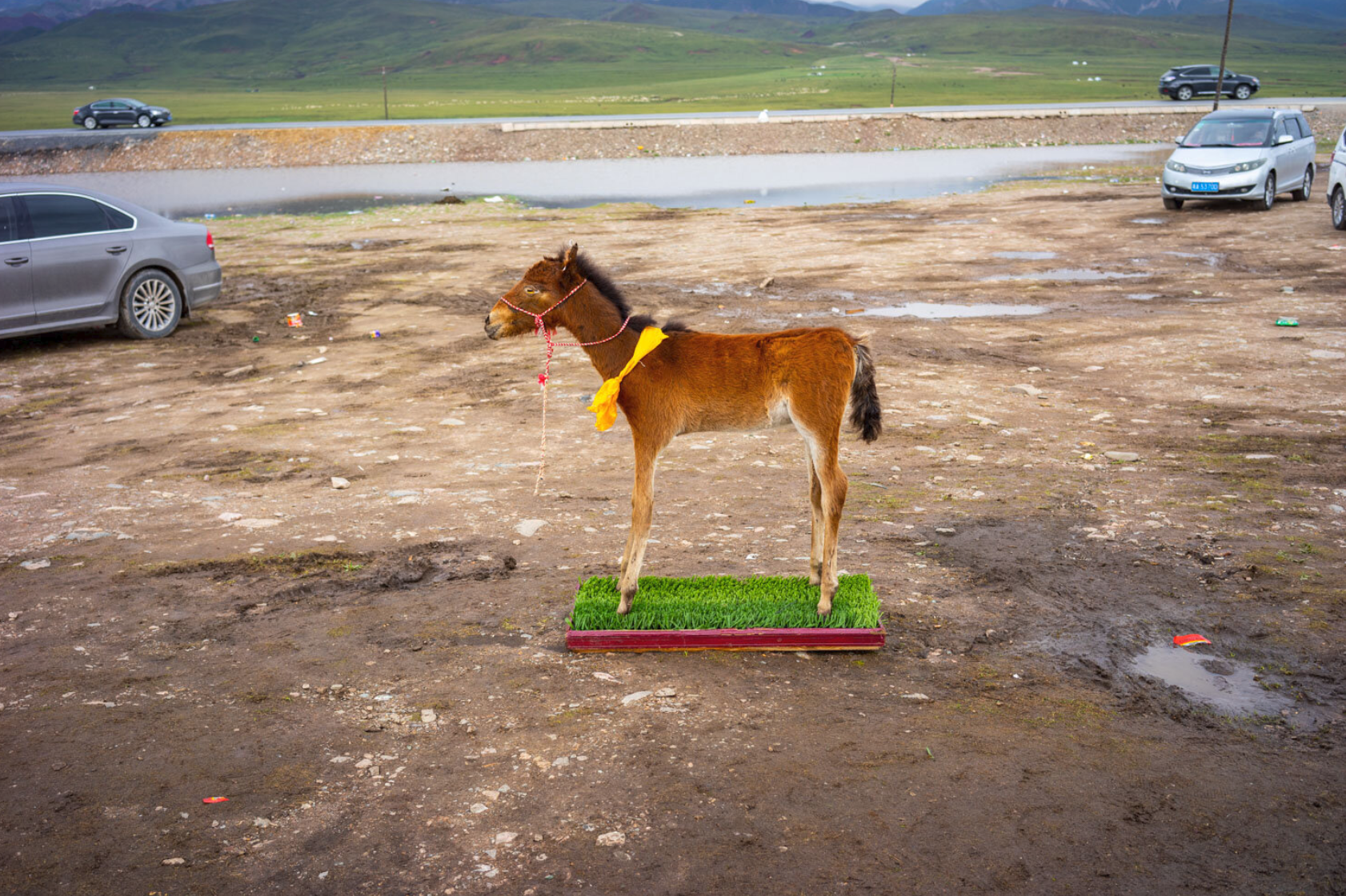
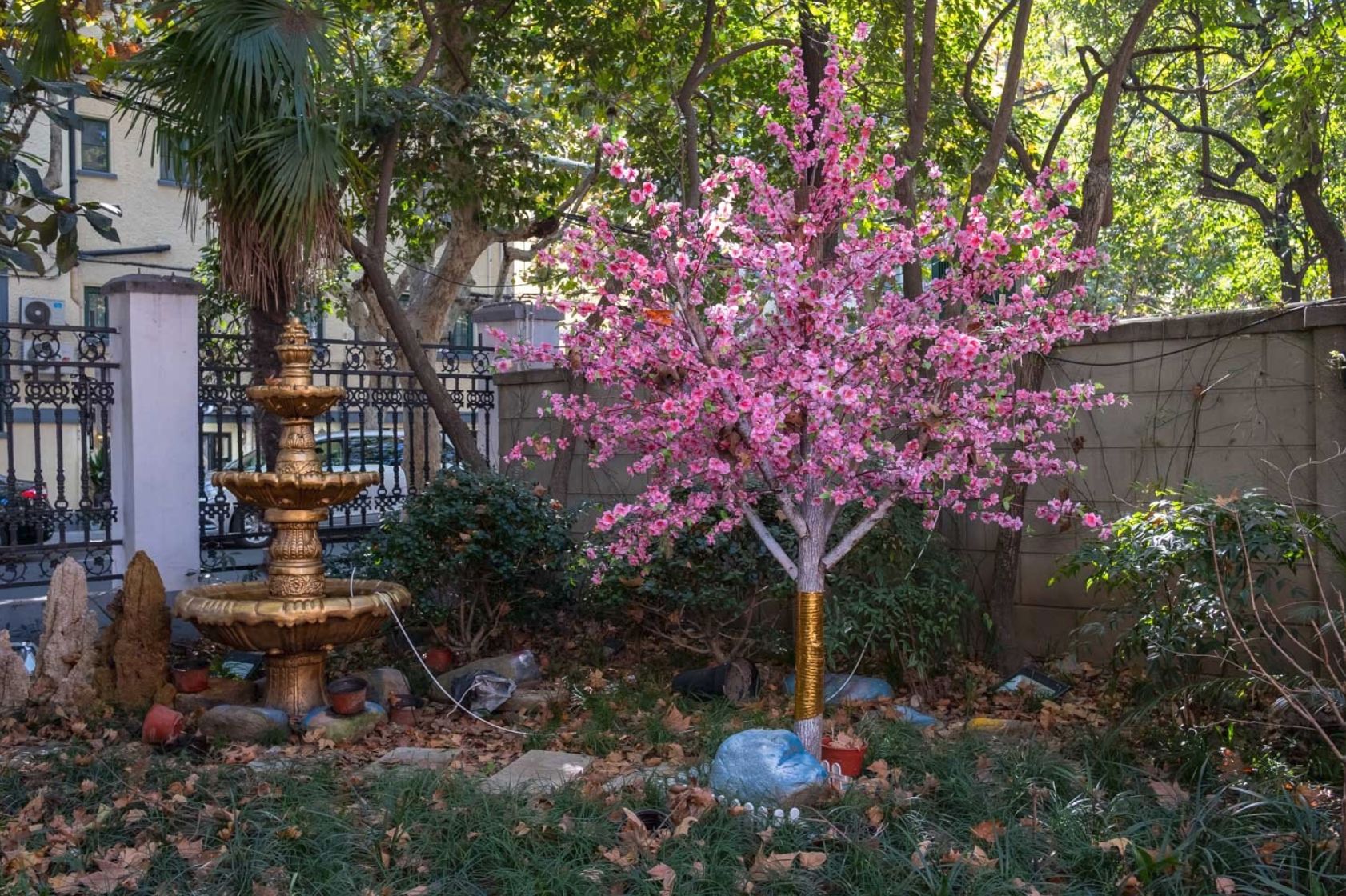
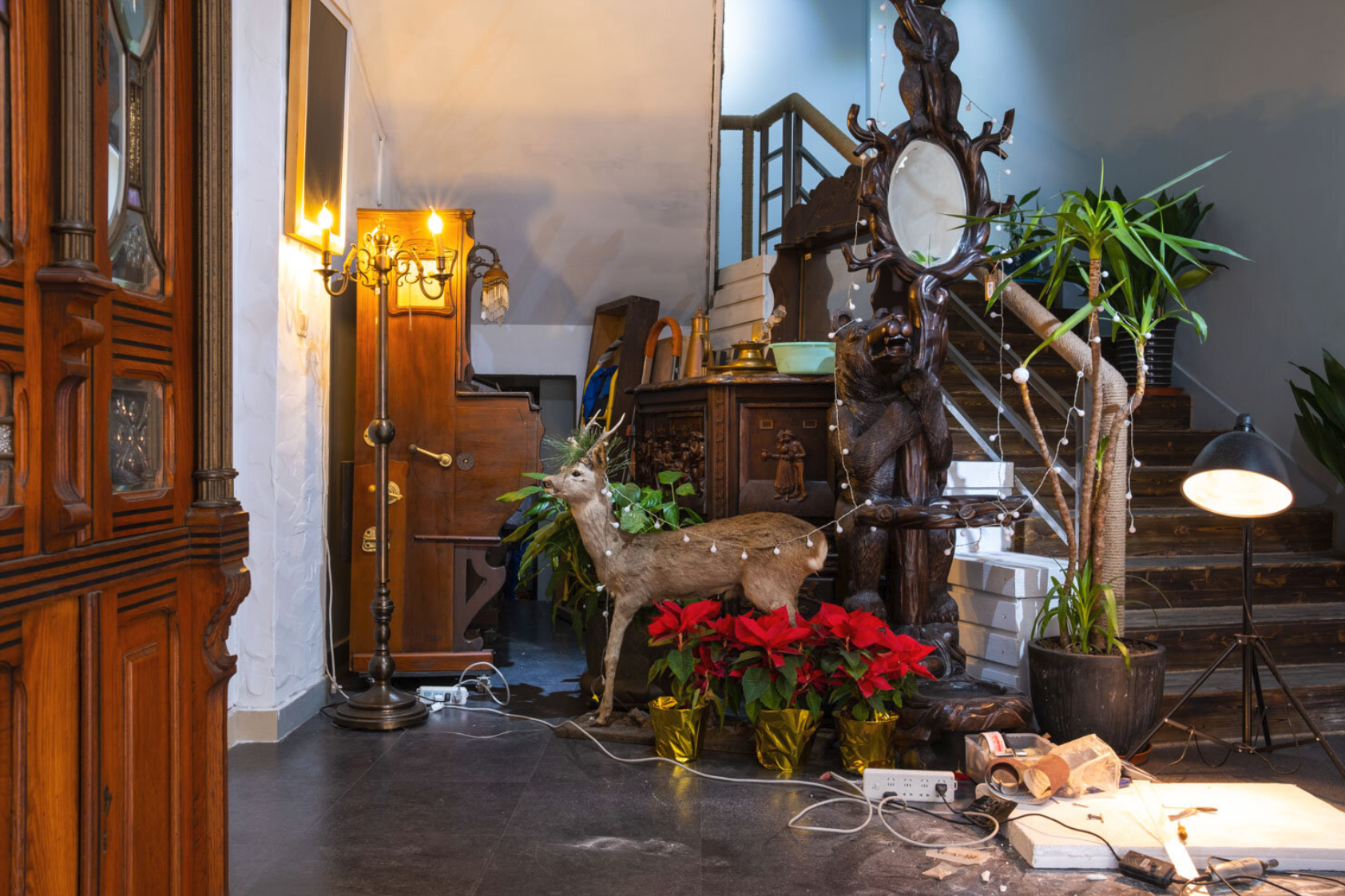
"Fiction" is a project that I have been doing since 2016. By observing spaces with a mixture of real and unreal factors that people construct in the daily environment. This project explores people's various desires behind this behaviour model, as well as unveiling the challenges they are facing towards ideology and traditional values.”

Jin Liu on Instagram